
Turmeric Health Benefits: Science-Backed Healing Properties
Golden Spice: Ancient Medicine Meets Modern Science
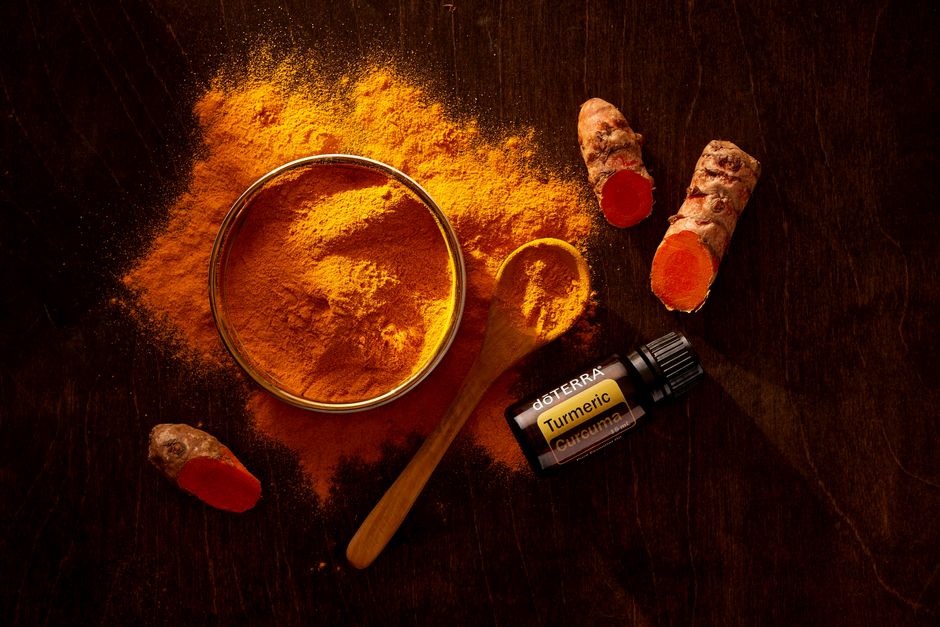
Turmeric, a vibrant golden-yellow spice derived from the root of Curcuma longa, has been treasured for thousands of years in traditional medicine and Asian cuisine. What was once considered merely a culinary ingredient is now being validated by modern scientific research as a powerful therapeutic compound. The spice’s remarkable properties are largely attributed to its active ingredient, curcumin, which has captured the attention of health researchers and wellness enthusiasts worldwide.
What Is Turmeric?
Turmeric comes from the root of the Curcuma longa plant, native to Southeast Asia, particularly India. The spice contains over 300 naturally occurring compounds, with curcumin being the most significant. Curcumin is the primary bioactive compound responsible for turmeric’s distinctive golden color and its remarkable health benefits.
However, curcumin faces a bioavailability challenge—the body struggles to absorb it effectively when consumed alone. This is where knowledge becomes power: when turmeric is combined with black pepper (which contains piperine), the absorption of curcumin increases dramatically, up to 2000%. Piperine works by inhibiting curcumin’s metabolism, allowing more of it to be absorbed and utilized by your body. This simple combination makes a significant difference in how effectively your body can utilize turmeric’s benefits. For maximum absorption, consume turmeric with a healthy fat like coconut oil or ghee, and always pair it with black pepper.
Comprehensive Health Benefits
Anti-Inflammatory Power
Chronic inflammation is the root cause of numerous modern diseases. Curcumin acts as a potent anti-inflammatory agent, modulating inflammatory pathways at the molecular level. This property makes turmeric valuable for managing inflammation-related conditions throughout the body, from joint pain to systemic inflammation.
Powerful Antioxidant Protection
Turmeric doesn’t just reduce inflammation—it also combats oxidative stress. Antioxidant properties help neutralize harmful free radicals that damage cells and accelerate aging. This dual action of reducing inflammation and oxidative stress makes turmeric one of nature’s most comprehensive wellness compounds.
Brain Health and Cognitive Protection
Research suggests that curcumin crosses the blood-brain barrier, offering neuroprotective benefits. It may help reduce neuroinflammation and oxidative stress in the brain, potentially protecting against cognitive decline and neurodegenerative diseases like Alzheimer’s. Many researchers view curcumin as a promising compound for supporting long-term brain health.
Heart Health Support
Cardiovascular benefits from turmeric include improved endothelial function (the health of blood vessel linings), reduced inflammation, and decreased oxidative stress. These mechanisms work together to support healthy cholesterol levels, blood pressure, and overall heart function.
Arthritis Relief and Joint Support
People with osteoarthritis and rheumatoid arthritis have reported significant relief when incorporating turmeric into their wellness routines. The anti-inflammatory properties specifically target joint inflammation, potentially reducing pain and improving mobility. Many find it a natural complement to conventional management strategies.
Mood and Mental Wellness
Emerging research indicates that curcumin may support mental health by reducing neuroinflammation and supporting neurotransmitter function. Some studies suggest it may help with mood management and overall emotional well-being, though it should never replace professional mental health treatment.
Cancer Prevention Research
While research is ongoing, studies suggest that curcumin possesses anti-cancer properties, potentially inhibiting tumor growth and spread at the cellular level. However, this remains an area of active research, and turmeric should be viewed as a preventive measure, not a treatment.
Digestive Health Enhancement
Turmeric has traditionally been used to support digestion. It stimulates bile production, which aids in fat digestion and nutrient absorption. Additionally, its anti-inflammatory properties may help soothe the digestive tract and support overall gut health.

How to Use Turmeric Effectively
Basic Daily Consumption
- Add turmeric to curries, soups, rice dishes, and vegetables
- Sprinkle on eggs, roasted vegetables, or grains
- Mix into salad dressings with healthy oils
Golden Milk Recipe (Turmeric Latte)
This traditional drink is an excellent way to consume turmeric with enhanced bioavailability:
- 1 cup milk (dairy or plant-based)
- 1/4 to 1/2 teaspoon turmeric powder
- 1 pinch black pepper (enhances absorption)
- 1/2 teaspoon raw honey
- 1/4 teaspoon cinnamon
- Pinch of ginger (optional)
Heat milk gently (don’t boil), whisk in turmeric and spices, add honey, and enjoy warm. For best results, consume golden milk regularly—3-4 times weekly or daily for therapeutic benefits. Many people enjoy it before bedtime for its calming properties or in the morning to support inflammation management throughout the day.
Recommended Dosage
Most research suggests 500-2000 mg of curcumin daily for therapeutic benefits. If using turmeric powder, 1/2 to 1 teaspoon daily is a reasonable amount. Always start with smaller amounts and increase gradually. For specific health concerns, consult with a healthcare professional about appropriate dosages.
Potential Side Effects and Cautions
Turmeric is generally considered safe for most people when consumed in normal culinary amounts. However, awareness of potential concerns is important:
- High doses may cause stomach upset, nausea, or diarrhea
- Drug interactions can occur, especially with blood thinners and diabetes medications
- Pregnancy and breastfeeding warrant caution—consult your healthcare provider
- Those with gallstones or bile duct obstruction should avoid excessive consumption
- Turmeric may increase bleeding risk in people taking anticoagulants
Moderation and professional consultation are key, particularly if you’re on medications or have existing health conditions.
Choosing Quality Turmeric
Fresh vs. Powder vs. Supplements
Fresh turmeric root offers whole-food benefits but is less concentrated, containing only 2-8% curcumin naturally. Turmeric powder is convenient and cost-effective, though quality varies, typically delivering 3-5% curcumin per serving. Curcumin supplements provide standardized, concentrated doses with proven bioavailability—often the most effective for therapeutic purposes, with extract forms containing 95%+ curcumin. For daily wellness, food forms work well; for targeted health concerns, concentrated supplements offer stronger therapeutic results.
Quality Indicators
- Look for organic certification to avoid pesticide residues
- Choose brands that test for heavy metals and contaminants
- Select products with black pepper (piperine) included for enhanced absorption
- For supplements, verify curcumin content percentage (aim for 95%+ standardization) and confirm third-party testing from labs like USP or NSF
- Powder products should specify curcumin percentage on labels—higher percentages indicate better quality
- Store in cool, dark places to preserve potency and maximize bioactive compound stability
Conclusion
Turmeric represents a bridge between ancient wisdom and modern science. Its anti-inflammatory, antioxidant, and neuroprotective properties make it a valuable addition to any wellness routine. Whether enjoyed in golden milk, sprinkled on foods, or taken as a supplement, turmeric offers accessible, delicious, and research-backed support for long-term health. As with any supplement or significant dietary change, consulting with a healthcare professional ensures turmeric complements your individual health needs and goals.
📧 Get More Insights Like This
Join thousands of readers who receive evidence-based personal development tips directly in their inbox.
🌟 Start Your Transformation Today
Ready to take the next step in your personal development journey?
Learn More About Us Browse All Articles