
Ginger: Powerful Health Benefits and Potential Side Effects

The Complete Guide to Ginger: Benefits and Side Effects
Ginger has been treasured across ancient civilizations for thousands of years, serving as both a culinary staple and a powerful medicinal remedy. Today, modern scientific research increasingly validates what traditional medicine practitioners have long known, confirming ginger as one of nature’s most versatile healing substances. Whether you’re interested in natural wellness or simply looking to understand this remarkable root better, this comprehensive guide covers everything you need to know about ginger’s benefits and potential risks.
What Is Ginger?
Ginger is the rhizome, or underground stem, of the Zingiber officinale plant. This knobby root contains powerful bioactive compounds, most notably gingerol, which gives ginger its characteristic pungent flavor and medicinal properties. Beyond gingerol, ginger is rich in vitamins and minerals including vitamin C, potassium, manganese, and magnesium. The plant thrives in warm climates and has been cultivated for centuries across Asia, with India and China being the largest producers today.
Key Health Benefits of Ginger
Nausea Relief and Digestive Support
One of ginger’s most celebrated uses is its ability to combat nausea. Whether dealing with morning sickness during pregnancy, chemotherapy-induced nausea, or general stomach upset, ginger has demonstrated remarkable effectiveness. The gingerol compounds work by promoting stomach movement and improving overall digestive flow, making ginger an excellent digestive aid that helps reduce bloating, indigestion, and discomfort.
Powerful Anti-Inflammatory Properties
Anti-inflammatory effects are among ginger’s most scientifically proven benefits. The bioactive compounds in ginger suppress inflammatory markers in the body, which can be particularly beneficial for those experiencing chronic inflammation. This makes ginger especially valuable for individuals with pain relief needs, particularly those suffering from arthritis or other joint-related conditions where inflammation is a primary concern.
Blood Sugar Control and Cardiovascular Health
Research suggests ginger may help lower blood sugar levels, making it a potential ally for individuals managing diabetes. Additionally, ginger supports heart health by helping to maintain healthy cholesterol levels and blood pressure. These cardiometabolic benefits make ginger a heart-friendly addition to your diet.
Immune Support and Weight Management
Rich in antioxidants, ginger helps neutralize harmful free radicals and strengthens immune function. Some preliminary research also suggests that ginger may support weight loss efforts by improving metabolism and reducing appetite, though it works best as part of a comprehensive wellness approach.
How to Use Ginger: Forms and Dosage
Ginger is incredibly versatile and comes in multiple forms, each with distinct advantages.
Fresh Ginger Root
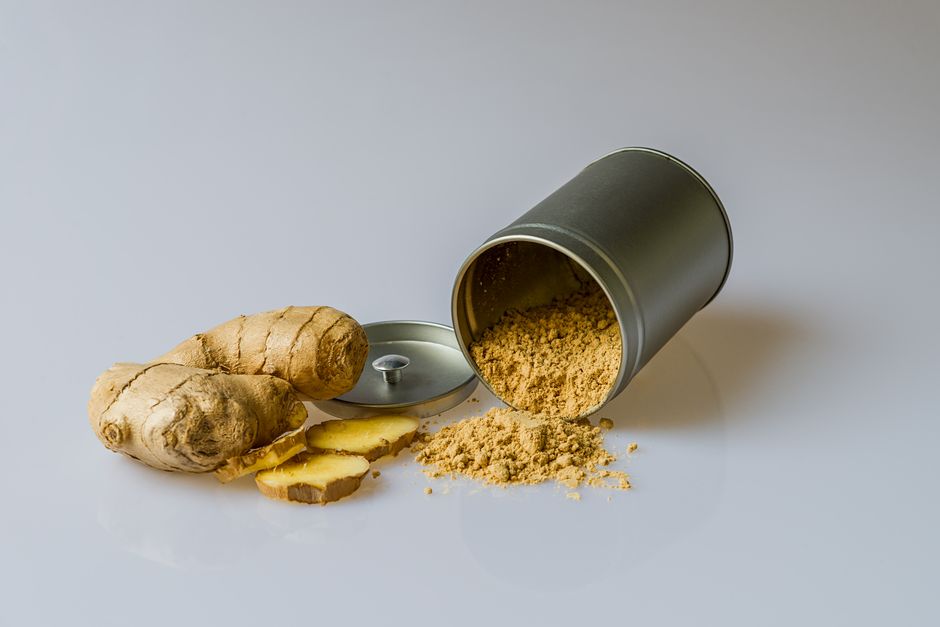
Fresh ginger contains the highest concentration of gingerol compounds and delivers the most potent therapeutic effects. It offers a clean, pungent flavor ideal for cooking, beverages, and remedies. Fresh ginger stays effective for 2-3 weeks when stored properly in the refrigerator. The typical fresh ginger dosage is 1-2 teaspoons (5-10 grams) per day, either grated into food or steeped as tea.
Dried Ginger Powder
Dried ginger powder is more concentrated, meaning smaller quantities deliver stronger effects. It’s shelf-stable and convenient for daily use. When ginger is dried, some gingerol converts to shogaol, a compound with enhanced anti-inflammatory and warming properties. Dosage for powder is typically ½-1 teaspoon (1-2 grams) daily, incorporated into beverages, meals, or capsules.
Ginger Supplements and Extracts
Ginger supplements come in capsule, tablet, or extract form with standardized dosing, typically ranging from 0.5-1 gram daily. Supplements offer convenience and precise dosing for therapeutic purposes, though they may cost more than whole ginger.
The general recommended dosage is 1-3 grams daily, varying by form and individual response. For nausea or digestive issues, doses can reach 2-4 grams daily for short-term use.
Potential Side Effects and Disadvantages
While ginger is generally safe, some people may experience side effects, particularly at higher doses.
Common Side Effects
Heartburn and acid reflux are the most frequently reported issues, especially in individuals with sensitive digestive systems or GERD. Others may experience gas, bloating, mouth irritation from fresh ginger’s heat, or mild digestive upset. These effects typically diminish once your body adjusts or when taken with food.
Serious Concerns
Blood-thinning effects can be problematic for those with bleeding disorders or taking anticoagulant medications. High doses may increase bleeding risk during surgery. Some individuals report allergic reactions, including skin rashes or respiratory issues, though true ginger allergies are rare. People with peptic ulcers may find ginger irritates their condition, and those with IBS or sensitive colons should start with small amounts.
Who Should Be Careful With Ginger
Certain groups should exercise caution. Pregnant women can safely consume moderate amounts of ginger, but should avoid excessive doses and consult healthcare providers. Those with blood disorders should avoid excessive ginger due to its mild anticoagulant properties. People taking diabetes medications or blood pressure medications should monitor intake carefully, as ginger can interact with these treatments. Additionally, those with gallstones or planning surgery should consult their healthcare provider before consuming ginger medicinally.

Important Drug Interactions
Ginger may interact with blood thinners like warfarin, diabetes medications, and blood pressure medications. If you take any prescription medications, consult with your healthcare provider before incorporating ginger supplements into your routine. The most significant concern is with anticoagulants, where ginger’s mild blood-thinning properties could amplify effects.
Storage and Selection Tips
Choosing Fresh Ginger
Select firm, heavy ginger roots with smooth skin and no soft spots or wrinkles. Avoid pieces that feel lightweight or have mold. Fresh ginger from farmers markets is often fresher than grocery store varieties, and organic options eliminate pesticide concerns.
Proper Storage
Store fresh ginger in the refrigerator’s vegetable drawer, wrapped in paper towels to absorb moisture. It keeps for 2-3 weeks. For longer storage, freeze ginger—it remains usable for months and becomes easier to grate. You can also peel and slice ginger before freezing in ice cube trays. Dried powder should be stored in airtight containers away from heat and light, maintaining potency for up to two years.
How to Incorporate Ginger Into Your Diet
Beyond remedies, ginger adds flavor and nutrition to everyday meals. Add fresh ginger to stir-fries, curries, and soups. Grate it into yogurt, oatmeal, or granola. Include it in baking for cookies, cakes, and breads. Blend powdered ginger into salad dressings and marinades.
Simple Ginger Recipes
Golden Milk: Combine turmeric, ginger powder, milk, and honey for an anti-inflammatory powerhouse drink.
Ginger Tea: Steep fresh ginger slices in hot water with lemon and honey for a warming, soothing beverage.
Smoothie Additions: Add fresh ginger or ginger powder to fruit smoothies for digestive support and immune benefits.
Always consult with a healthcare professional before using ginger medicinally, especially if you have pre-existing health conditions or take medications. As part of a balanced diet, ginger is generally safe and beneficial for most people.
Frequently Asked Questions (FAQ)
Q: Does ginger actually help with nausea?
A: Yes — ginger’s gingerol compounds promote stomach movement and improve digestive flow, making it effective for morning sickness, chemotherapy-related nausea, and general stomach upset.
Q: Can ginger interact with medications?
A: Yes, ginger has mild blood-thinning properties that can amplify the effects of anticoagulants like warfarin, and it may also interact with diabetes and blood pressure medications.
Q: How much ginger is safe to consume daily?
A: The general recommended dose is 1-3 grams daily, with fresh ginger at 1-2 teaspoons (5-10g) and powder at ½-1 teaspoon (1-2g); doses of 2-4 grams for short-term nausea relief are considered safe for most people.
Conclusion
Ginger stands out as one of the better-evidenced natural remedies, with genuine benefits for nausea relief, digestion, and inflammation, alongside modest support for blood sugar and cardiovascular health. Most people tolerate 1-3 grams daily well, whether from fresh root, dried powder, or supplements, though higher doses can cause heartburn or interact with blood thinners and diabetes medications. Anyone on prescription medications or with a bleeding disorder should check with a healthcare provider before using ginger therapeutically. ***
Disclaimer: This article is for informational purposes only. Please consult with a qualified healthcare provider for medical advice.
📧 Get More Insights Like This
Join thousands of readers who receive evidence-based personal development tips directly in their inbox.
🌟 Start Your Transformation Today
Ready to take the next step in your personal development journey?
Learn More About Us Browse All Articles