
Turmeric and Alzheimer's: Curcumin's Neuroprotective Benefits
Could a Golden Spice Hold the Key to Preventing Alzheimer’s?
Every 3 seconds, someone in the world develops dementia. The thought is sobering. Yet what if one of the answers was sitting right in your kitchen spice rack? For centuries, turmeric has been cherished in traditional medicine, particularly in Asian cultures. Today, modern science is catching up to what ancient healers always knew: this golden spice might be one of our most powerful allies in the fight against cognitive decline.
The connection between turmeric and Alzheimer’s prevention has become a focal point for researchers worldwide, and the evidence is remarkably compelling. If you’re concerned about protecting your brain health or that of a loved one, understanding turmeric’s potential could be life-changing.
What Exactly Is Turmeric and Why Does It Matter?
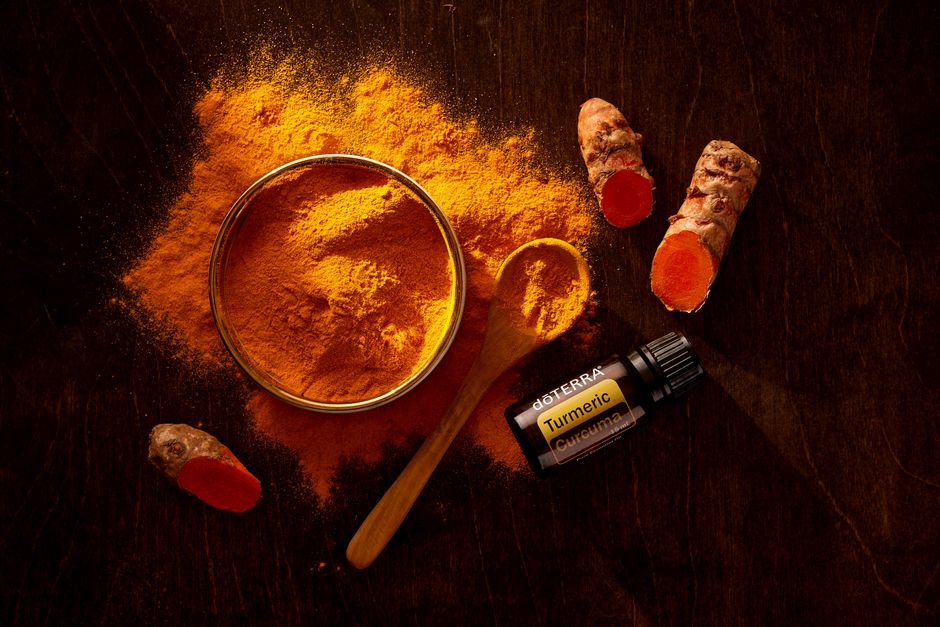
Turmeric is derived from the roots of the Curcuma longa plant, a flowering member of the ginger family. For over 4,000 years, it’s been a staple in Indian cuisine and traditional Ayurvedic medicine. You’ve likely enjoyed it as the warm, earthy ingredient that gives curry its distinctive golden color and subtle bitter taste.
But here’s where it gets interesting: turmeric contains a compound called curcumin, which is responsible for most of its health-promoting properties. Curcumin makes up only about 3-5% of turmeric by weight, yet it’s incredibly potent. What makes curcumin special is its dual action as both an anti-inflammatory and antioxidant powerhouse.
In our bodies, chronic inflammation is essentially a slow-burning fire that accelerates aging in the brain. Oxidative stress—damage caused by unstable molecules—similarly wreaks havoc on our neural tissue. Curcumin addresses both problems simultaneously, which is why researchers believe it holds such promise for Alzheimer’s prevention.
The Research: What Science Tells Us About Brain Protection
The scientific evidence supporting turmeric’s role in brain health is substantial and growing. Multiple peer-reviewed studies have demonstrated that curcumin can cross the blood-brain barrier, a crucial accomplishment since many compounds cannot reach brain tissue.
Research has shown that curcumin may help reduce amyloid-beta plaques—the problematic protein accumulations believed to trigger Alzheimer’s disease. In laboratory studies, curcumin has demonstrated the ability to both prevent these plaques from forming and break apart existing formations. Animal studies have consistently shown improved cognitive function and memory retention in subjects receiving curcumin.
Additionally, curcumin’s anti-inflammatory effects are particularly relevant to Alzheimer’s prevention. The disease involves significant brain inflammation; curcumin works by suppressing inflammatory molecules called cytokines. This dual action—reducing plaques while decreasing inflammation—suggests curcumin addresses multiple pathways leading to Alzheimer’s development.
Studies also indicate that curcumin supports overall brain health through improved blood flow, enhanced antioxidant defenses, and protection of nerve cells. Older adults who consume turmeric regularly have shown improvements in memory and cognitive processing speed.
How Turmeric Works: The Brain Protection Mechanism
To understand turmeric’s effectiveness, imagine your brain cells under constant attack from unstable molecules and inflammatory chemicals. Curcumin acts as a shield, protecting your neural tissue through several mechanisms:
Plaque Reduction: Curcumin directly binds to amyloid-beta proteins, preventing them from clumping together and forming the toxic plaques that characterize Alzheimer’s. It can even help dissolve existing plaques, though this area needs more human studies.
Inflammation Control: By inhibiting NF-kappa B—a molecule that triggers inflammatory responses—curcumin essentially turns down the brain’s inflammatory alarm. This sustained protection reduces the gradual damage that accumulates into cognitive decline.
Antioxidant Protection: Free radicals naturally occur in our bodies and accelerate aging. Curcumin is an exceptional scavenger of these harmful molecules, preventing oxidative damage to brain cells.
Neurogenesis Support: Curcumin may stimulate the growth of new brain cells, particularly in the hippocampus—the region crucial for memory formation.
Metal Chelation: Some research suggests curcumin can bind to potentially harmful metals that accumulate in the brain, rendering them less toxic.
How to Consume Turmeric: Practical Usage and Absorption
Knowing turmeric is beneficial is one thing; consuming it effectively is another. Here’s what you need to know:
The Absorption Challenge: Curcumin is poorly absorbed on its own. Your digestive system breaks it down quickly, limiting how much reaches your bloodstream. Fortunately, there’s a simple solution.
Black Pepper Is Essential: Adding black pepper dramatically increases curcumin absorption. Black pepper contains piperine, a compound that enhances curcumin bioavailability by up to 2,000%. Always combine turmeric with a pinch of black pepper for optimal results.
Dietary Consumption: The easiest approach is incorporating turmeric into your daily meals. Add it to curries, soups, scrambled eggs, roasted vegetables, or smoothies. Aim for 1-2 teaspoons daily, always with black pepper and ideally with dietary fat (like coconut oil or olive oil), which further aids absorption.
Suggested Dosage: For general wellness and prevention, 1-2 grams of turmeric daily (roughly 1-2 teaspoons) provides adequate curcumin intake. Those interested in more targeted support might consider 500-1000 mg of standardized curcumin supplements daily, though whole turmeric offers additional beneficial compounds.
Supplement Consideration: If cooking with turmeric daily feels impractical, quality curcumin supplements offer concentrated doses. Look for products with bioperine (black pepper extract) already included.
Who Benefits Most From Turmeric for Brain Health?
While everyone can benefit from turmeric’s brain-protective properties, certain groups should particularly consider it:
Older Adults: Those over 55 with family history of cognitive decline represent the highest-risk group. Turmeric’s preventive benefits may be most impactful for this demographic.
People with Cognitive Concerns: Individuals experiencing occasional memory lapses or brain fog may notice improvements with consistent turmeric consumption.
Chronic Inflammation Sufferers: Since Alzheimer’s involves significant inflammation, anyone managing inflammatory conditions gains double benefit from turmeric.
Those with Alzheimer’s Risk Factors: If you have family history, carry specific genetic markers, or have experienced head injuries, turmeric’s preventive action becomes especially relevant.
Wellness-Conscious Individuals: Anyone interested in optimizing brain health and supporting healthy aging can safely incorporate turmeric into their routine.
The Golden Promise
Turmeric won’t cure Alzheimer’s disease, and no single food acts as a guarantee against cognitive decline. However, mounting evidence suggests that regular turmeric consumption, combined with exercise, quality sleep, cognitive engagement, and social connection, represents a comprehensive approach to brain preservation.
The beauty of turmeric is that it’s accessible, affordable, and comes with centuries of traditional use supporting its safety. By adding this golden spice to your daily routine—always with black pepper—you’re taking a scientifically-supported step toward protecting the mind that makes you who you are.
📧 Get More Insights Like This
Join thousands of readers who receive evidence-based personal development tips directly in their inbox.
🌟 Start Your Transformation Today
Ready to take the next step in your personal development journey?
Learn More About Us Browse All Articles