Kidney Health: Complete Guide to Function, Diet & Prevention
The Importance of Kidney Health
Your kidneys may be small, but they perform some of the most critical functions in your body. Approximately 37 million Americans are living with kidney disease, yet many don’t realize they have it because kidney disease often develops without noticeable symptoms. Understanding kidney health and taking preventive measures can significantly reduce your risk of developing serious complications and help you maintain optimal wellness throughout your life.
What Your Kidneys Do and Why They Matter
The kidneys are bean-shaped organs, each about the size of a fist, that function as your body’s filtration system. Every single day, your two kidneys filter about 120 to 150 quarts of blood to produce approximately one to two quarts of urine. This remarkable process involves removing waste products and excess water from your bloodstream.
Beyond waste filtration, your kidneys perform several vital functions: they regulate blood pressure, control electrolyte balance, produce hormones that influence red blood cell production, and activate vitamin D, which is essential for bone health and calcium absorption. When kidney function declines, your entire body is affected, potentially leading to serious health complications.
Risk Factors for Kidney Disease
Several factors can increase your risk of developing kidney problems. Diabetes is the leading cause of kidney disease, accounting for about one-third of all cases. High blood pressure is the second most common cause, as it can damage the tiny blood vessels in your kidneys over time.
Additional risk factors include having a family history of kidney disease, advancing age (particularly over 60), and obesity. Other contributors include autoimmune diseases, repeated kidney infections, and prolonged use of certain medications. If you have any combination of these risk factors, it’s especially important to monitor your kidney health regularly.
Prevention: Protecting Your Kidneys
The good news is that kidney disease is often preventable through lifestyle modifications and proper medical management. Here are evidence-based strategies to protect your kidney function:
Stay adequately hydrated by drinking enough water throughout the day. Proper hydration helps your kidneys flush out waste products and prevents the concentration of harmful substances in your urine.
Maintain a balanced, kidney-friendly diet that limits sodium intake to less than 2,300 milligrams per day. Reduce processed foods, which are typically high in salt.
Control your blood pressure by monitoring your numbers regularly and working with your healthcare provider to keep them within a healthy range. This single step can significantly slow kidney disease progression.
Manage your blood sugar if you have diabetes or prediabetes, as consistent blood sugar control dramatically reduces kidney disease risk.
Exercise regularly with at least 150 minutes of moderate-intensity activity per week to support cardiovascular health and kidney function.
Limit nonsteroidal anti-inflammatory drugs (NSAIDs) like ibuprofen and naproxen, which can damage kidney function with regular use.
Avoid smoking and limit alcohol consumption, as both substances can accelerate kidney damage and increase blood pressure.
Kidney-Friendly Foods to Include
Incorporating specific foods into your diet can support kidney health. Berries, particularly blueberries and cranberries, are rich in antioxidants and have low potassium levels. Fatty fish like salmon and mackerel contain omega-3 fatty acids that help reduce inflammation and support heart health, which protects your kidneys.
Olive oil is an excellent choice for cooking and dressings, providing healthy fats without excess sodium. Cruciferous vegetables like cabbage and cauliflower are kidney-friendly, nutrient-dense options that are low in potassium and sodium. These vegetables also contain compounds that support overall health while being gentle on compromised kidney function.

Foods to Limit or Avoid
If you’re concerned about kidney health or have been diagnosed with kidney disease, be mindful of certain foods. High-sodium foods should be limited to protect your blood pressure. Potassium-rich foods like bananas, oranges, and tomatoes may need to be restricted if your kidneys aren’t filtering properly and potassium is building up in your blood.
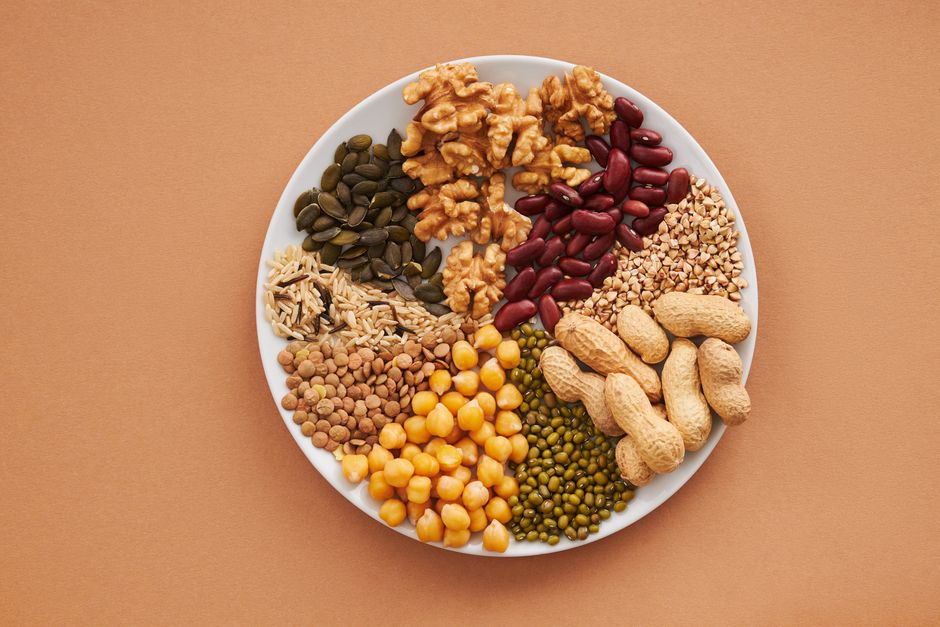
Phosphorus is another mineral to monitor, as damaged kidneys may struggle to regulate its levels. Foods high in phosphorus include dairy products, nuts, and processed meats. If your kidney function is significantly compromised, your doctor may recommend limiting protein intake, as the body breaks down protein into nitrogen-containing waste that kidneys must filter.
Recognizing Signs of Kidney Problems
Kidney disease is often called a “silent killer” because symptoms may not appear until significant damage has occurred. However, some warning signs warrant immediate attention: persistent fatigue, swelling in your feet or ankles, puffiness around your eyes, changes in urination patterns (frequency or color), nausea or vomiting, persistent itching, and high blood pressure that’s difficult to control.
If you experience any of these symptoms, consult with your healthcare provider promptly for proper evaluation and guidance.
The Importance of Regular Kidney Screening
Regular kidney function testing is essential, especially if you have risk factors for kidney disease. Simple tests like serum creatinine and glomerular filtration rate (GFR) can detect kidney problems before symptoms develop. The urine albumin-to-creatinine ratio (UACR) test can identify early kidney damage from diabetes or high blood pressure.
If you have diabetes, high blood pressure, a family history of kidney disease, or are over 60 years old, discuss regular kidney screening with your healthcare provider. Early detection allows for timely intervention and can significantly slow or prevent progression to more serious kidney disease.
Working with Your Healthcare Team
If you’ve been diagnosed with kidney disease, establishing a relationship with a nephrologist—a doctor specializing in kidney care—is invaluable. Your healthcare team can monitor your kidney function through regular blood and urine tests, adjust medications as needed, and provide personalized dietary recommendations. Be transparent about all supplements and over-the-counter medications you take, as some can affect kidney function. Attending nephrology appointments and following prescribed treatment plans significantly improves outcomes and quality of life.
Frequently Asked Questions (FAQ)
Q: What are the leading causes of kidney disease?
A: Diabetes is the leading cause, responsible for about one-third of cases, followed closely by high blood pressure, which damages the small blood vessels inside the kidneys over time.
Q: What foods should I limit if I’m concerned about kidney health?
A: Watch your intake of high-sodium foods, potassium-rich foods like bananas and tomatoes, and phosphorus-rich foods such as dairy, nuts, and processed meats, especially if kidney function is already reduced.
Q: How can kidney problems be detected before symptoms appear?
A: Simple tests like serum creatinine, glomerular filtration rate (GFR), and the urine albumin-to-creatinine ratio (UACR) can catch kidney damage early, which is why regular screening matters for anyone with diabetes, high blood pressure, or a family history of kidney disease.
Conclusion
Maintaining kidney health is truly crucial for your overall well-being and quality of life. By understanding the risk factors, adopting preventive lifestyle measures, and getting regular health screenings, you can protect these vital organs. Remember that small, consistent changes in your daily habits can have a profound impact on your long-term health. If you have specific concerns about your kidney health, always consult with a healthcare professional for personalized advice and guidance tailored to your individual circumstances.
📧 Get More Insights Like This
Join thousands of readers who receive evidence-based personal development tips directly in their inbox.
🌟 Start Your Transformation Today
Ready to take the next step in your personal development journey?
Learn More About Us Browse All Articles