
Kidney Health Tests: Understanding Your Results and Next Steps

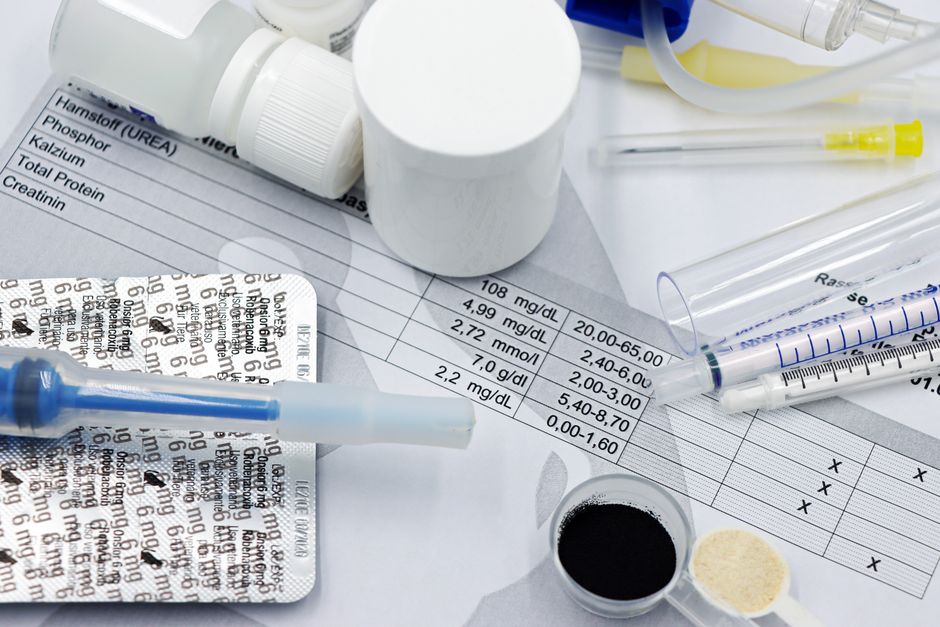
Understanding Kidney Health Testing
The Hook: Why Your Kidneys Matter
Your kidneys are powerful filtration organs, working tirelessly to process approximately 200 quarts of blood daily to produce about 1-2 quarts of urine. These bean-shaped organs remove waste products and excess water from your bloodstream while maintaining critical electrolyte balance. Given their essential role in keeping you healthy, understanding kidney health testing is vital to your long-term wellness. Regular kidney testing empowers you to catch problems early and take control of your health before serious complications develop.
Why Kidney Testing is Critical
Many kidney diseases develop silently without noticeable symptoms until they reach advanced stages. This is why kidney testing is so important—it allows your healthcare provider to detect problems when intervention is most effective. Early detection of kidney disease can prevent progression and help you maintain optimal kidney function throughout your life. Additionally, certain risk factors increase your likelihood of kidney problems, including diabetes, high blood pressure, family history of kidney disease, obesity, and cardiovascular disease. If you have any of these risk factors, routine kidney testing becomes even more essential.
Key Kidney Health Tests
Understanding the main tests your doctor might order helps you take an active role in your health management.
Serum Creatinine Test measures creatinine levels in your blood. Creatinine is a waste product produced by muscles and normally filtered by kidneys. Elevated levels suggest your kidneys may not be filtering effectively.
Glomerular Filtration Rate (eGFR) is a calculated measurement based on your creatinine level, age, sex, and body size. This test estimates how many milliliters of waste your kidneys can filter per minute. It’s one of the most important indicators of kidney function.
Blood Urea Nitrogen (BUN) Test measures nitrogen waste from protein breakdown in your bloodstream. Along with creatinine, BUN provides a comprehensive picture of kidney filtration ability.
Urinalysis examines your urine for protein, blood, glucose, and other abnormalities. The presence of protein or blood in urine can indicate kidney damage or disease.
Albumin-to-Creatinine Ratio (ACR) measures protein in your urine compared to creatinine levels. This test is particularly valuable for detecting early kidney damage, especially in people with diabetes.
Interpreting Your Results
Understanding normal ranges empowers you to discuss your results confidently with your healthcare provider. Normal serum creatinine typically ranges from 0.7 to 1.3 mg/dL, though values vary by lab. Normal eGFR is 60 mL/min/1.73m² or higher, indicating good kidney function. The higher your eGFR, the better your kidneys are filtering. eGFR stages range from Stage 1 (eGFR 90 or higher—normal kidney function) through Stage 5 (eGFR below 15—kidney failure). A healthy ACR should be under 30 mg/g of creatinine.
What Abnormal Results Mean
Elevated creatinine levels (above 1.3 mg/dL) suggest your kidneys may struggle with waste filtration, though muscle mass and diet can influence readings. A declining eGFR indicates progressive kidney function loss and may require closer monitoring or specialist referral. High BUN levels could indicate dehydration, kidney disease, or protein intake issues requiring investigation. Protein in urine (proteinuria) often signals kidney damage or disease and needs prompt evaluation. An elevated ACR suggests early kidney damage, particularly important for diabetes management. Abnormal findings don’t automatically mean kidney disease—your doctor must consider your complete health picture before diagnosis.
Lifestyle Factors Affecting Test Results
Several everyday factors influence kidney test accuracy. Diet significantly impacts results—high protein intake elevates creatinine and BUN, so your doctor may recommend adjusting intake before testing. Hydration status affects all kidney measurements; dehydration concentrates waste products and raises values. Muscle mass directly influences creatinine levels since muscle naturally produces this waste product. Recent intense exercise temporarily increases creatinine, so rest before testing. Medications including certain blood pressure drugs, NSAIDs, and supplements can affect kidney function values. Age and body composition are standard factors your lab accounts for when calculating eGFR.
Who Should Get Regular Kidney Testing
If you have diabetes or high blood pressure, annual kidney testing is recommended. Anyone with a family history of kidney disease, those over age 60, people with obesity, or individuals with heart disease should also undergo regular testing. Even if you have no risk factors, discussing kidney testing with your healthcare provider is wise, especially as you age.
Testing Frequency Recommendations
For high-risk individuals, annual kidney testing is ideal for early detection. Those with average risk should consider testing every 2-3 years. If you have existing kidney disease, your doctor may recommend more frequent testing to monitor disease progression.
Preparing for Your Tests
Proper preparation ensures accurate results and reliable data for your healthcare provider. Most kidney tests don’t require fasting, but always confirm with your healthcare provider beforehand.
Before Your Test:
Maintain consistent hydration—drink your normal amount of water for several days before testing. Avoid both excessive hydration and dehydration, as both skew results. Create a medication list including all prescription drugs, over-the-counter medications, and supplements you’re taking daily. Discuss with your doctor whether to pause any medications before testing. Stop strenuous exercise at least 24 hours before your appointment, as intense workouts temporarily elevate creatinine. Eat normally unless directed otherwise—avoid making drastic diet changes right before testing. Get adequate sleep the night before, as fatigue can affect metabolic markers. Avoid alcohol for 24-48 hours before testing, as it affects hydration and kidney markers.
During Testing:
Relax during blood draws—stress can slightly elevate certain values. Provide a morning urine sample for urinalysis when possible, as it’s most concentrated and informative.
Home Monitoring Options
Between clinical tests, several tools help you monitor kidney health at home. Home blood pressure monitors are valuable since hypertension damages kidneys—track readings daily and share trends with your doctor. At-home urine test strips detect protein, glucose, or blood in urine and alert you to potential problems. While not diagnostic, they provide valuable information between clinical visits. Weight scales help monitor fluid retention, an important kidney health indicator—sudden weight gain may indicate fluid accumulation. Symptom tracking apps let you record fatigue, swelling, appetite changes, or urinary frequency patterns. These insights help your doctor assess kidney function trends. Blood pressure logs combined with symptom records create a comprehensive picture of your kidney health. Always share home monitoring data with your healthcare provider at appointments.
Follow-Up and Next Steps
If your test results show abnormalities, additional testing may be needed, such as ultrasound imaging or more specialized blood work. Abnormal results don’t necessarily mean kidney disease—your doctor will interpret results in context with your overall health. If your results suggest kidney issues, consulting with a nephrologist (kidney specialist) ensures you receive specialized care and a comprehensive management plan tailored to your situation. Taking action based on kidney test results puts you in the driver’s seat of your health journey, enabling early intervention and prevention of serious complications.

Frequently Asked Questions (FAQ)
Q: What’s the difference between a creatinine test and an eGFR test?
A: Serum creatinine measures the actual level of a muscle waste product in your blood, while eGFR is a calculated estimate—using your creatinine, age, sex, and body size—of how many milliliters of waste your kidneys filter per minute, making eGFR the more complete indicator of kidney function.
Q: Do I need to fast before a kidney function test?
A: Most kidney tests like creatinine, eGFR, and urinalysis don’t require fasting, but you should maintain consistent hydration, avoid strenuous exercise for 24 hours beforehand, and confirm any specific instructions with your healthcare provider.
Q: What does protein in my urine (proteinuria) mean?
A: Protein detected on a urinalysis or an elevated albumin-to-creatinine ratio (ACR) often signals early kidney damage, especially in people with diabetes, and warrants prompt follow-up with your doctor even if other kidney markers look normal.
Conclusion
Kidney health testing—creatinine, eGFR, BUN, urinalysis, and ACR—gives you and your doctor an early warning system for problems that otherwise develop silently. Knowing your normal ranges (eGFR of 60+ , creatinine 0.7-1.3 mg/dL, ACR under 30 mg/g) and the factors that can skew results, like hydration and recent exercise, helps you interpret findings accurately and take timely action if numbers trend the wrong way. ***
Disclaimer: This article is for informational purposes only. Please consult with a qualified healthcare provider for medical advice.
📧 Get More Insights Like This
Join thousands of readers who receive evidence-based personal development tips directly in their inbox.
🌟 Start Your Transformation Today
Ready to take the next step in your personal development journey?
Learn More About Us Browse All Articles