High-Protein Foods: Complete Guide to Sources and Benefits
Why Protein Should Be Your Dietary Priority
Protein is one of the three essential macronutrients your body needs to thrive. Unlike trendy diets that come and go, adequate protein intake is fundamental for building muscle, supporting weight loss, boosting metabolism, and maintaining overall health. Whether you’re an athlete, trying to lose weight, or simply want to feel better, understanding high-protein foods and how to incorporate them into your diet is one of the most practical investments in your health.
Why Protein Matters: The Science Behind It
Protein does far more than just build muscles. When you consume protein, your body breaks it down into amino acids—the building blocks that perform critical functions throughout your body.
Muscle Building and Repair: Protein repairs muscle tissue damaged during workouts and builds new muscle mass. Without adequate protein, your training efforts won’t yield optimal results.
Increased Satiety: Protein keeps you feeling full longer than carbohydrates or fats. This natural appetite suppression makes it easier to avoid overeating and stick to your nutrition goals.
Boosted Metabolism: Your body burns more calories digesting protein compared to other nutrients—a process called the thermic effect of food. This metabolic boost helps with weight management.
Hormone and Enzyme Production: Protein is essential for producing hormones that regulate sleep, mood, and appetite, plus enzymes that enable thousands of biochemical reactions in your body.
How Much Protein Do You Actually Need?
The recommended dietary allowance (RDA) is 0.8 grams per kilogram of body weight for sedentary adults. However, this baseline doesn’t account for fitness goals.
If you’re active, train regularly, or want to build muscle, aim for 1.2 to 2.0 grams per kilogram of body weight. This means:
- A 70 kg (154 lb) sedentary person needs about 56g daily
- The same person doing regular strength training needs 84-140g daily
Distribute your protein throughout the day—aim for 25-40g per meal—rather than consuming it all at once. This approach maximizes muscle protein synthesis.
Top High-Protein Foods: Animal Sources
Lean Meat and Poultry
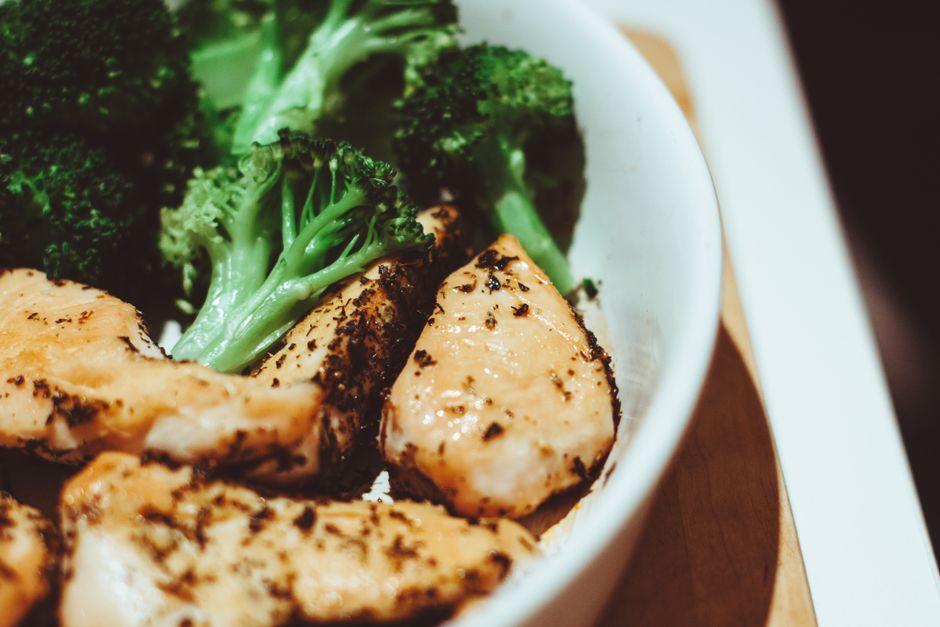
- Chicken breast (cooked): 31g protein per 100g – the gold standard for lean protein
- Turkey breast: 29g protein per 100g – leaner than chicken, great for variety
- Lean beef (sirloin, tenderloin): 26-28g protein per 100g – rich in iron and B vitamins
Fish and Seafood
- Salmon (cooked): 25g protein per 100g – bonus: loaded with omega-3 fatty acids for heart health
- Tuna: 29g protein per 100g – affordable and versatile canned option available
- Shrimp: 24g protein per 100g – low-calorie option perfect for weight loss
Eggs and Dairy
- Whole eggs: 6g protein per large egg – one of nature’s most complete proteins
- Greek yogurt: 10g protein per 100g – excellent for breakfast or snacks
- Cottage cheese: 11g protein per 100g – underrated protein powerhouse
- Milk: 3.2g protein per 100ml – convenient daily addition
Top High-Protein Foods: Plant-Based Sources
- Lentils (cooked): 9g protein per 100g – budget-friendly and high in fiber
- Chickpeas (cooked): 8.5g protein per 100g – versatile for hummus, curries, salads
- Tofu: 8g protein per 100g – neutral flavor absorbs any seasoning
- Tempeh: 19g protein per 100g – fermented soy with firmer texture than tofu
- Edamame: 11g protein per 100g – convenient snack option
- Quinoa (cooked): 8g protein per 100g – complete protein containing all amino acids
Complete vs. Incomplete Proteins: What’s the Difference?
Complete proteins contain all nine essential amino acids your body cannot produce. Most animal proteins are complete. Plant proteins are often incomplete—meaning they lack one or more amino acids.
Solution: Combine plant proteins throughout the day. For example, rice and beans together create a complete protein. This pairing provides all essential amino acids and remains affordable and practical.
Protein Timing: When Should You Eat Protein?
Spread it throughout the day: Consuming protein at every meal—breakfast, lunch, dinner, and snacks—maximizes muscle protein synthesis. Aim for 25-40g per meal.
Post-workout window: Consume 20-40g of protein within 2 hours after resistance training. This supports muscle repair and growth, though it doesn’t need to be immediately after your workout.
Before bed: A light protein source (like Greek yogurt or cottage cheese) helps prevent overnight muscle breakdown.
Practical Tips: Meal Prep and High-Protein Recipes
Easy meal prep ideas:
- Batch-cook chicken breasts or ground turkey for the week
- Prepare hard-boiled eggs for quick snacks
- Cook a large pot of lentil or chickpea-based curry
- Make Greek yogurt bowls with granola and berries
Simple high-protein meal ideas:
- Grilled chicken with roasted vegetables and brown rice
- Salmon with sweet potato and broccoli
- Lentil soup with vegetables and whole grain bread
- Tofu stir-fry with quinoa
- Egg scramble with beans and whole grain toast
Pro tip: Start your day with a high-protein breakfast. This reduces afternoon cravings and steadies your energy levels throughout the day.
Protein Quality and PDCAAS/DIAAS Scores
Not all proteins are created equal. Protein Digestibility-Corrected Amino Acid Score (PDCAAS) and Digestible Indispensable Amino Acid Score (DIAAS) measure protein quality:
High-quality proteins (score of 0.9+):
- Whey protein: 1.0 (fastest absorption, ideal post-workout)
- Egg white: 1.0 (complete amino acid profile)
- Milk: 1.0 (contains casein and whey)
- Chicken: 0.99 (lean and complete)
Medium-quality proteins (0.6-0.9):
- Soybeans: 0.95 (plant-based complete protein)
- Fish: 0.83-0.95 (omega-3 bonus)
- Beef: 0.92 (nutrient-dense)

Special Populations and Protein Needs
Athletes and Strength Trainers
- Need: 1.6-2.0g per kg body weight daily
- Best sources: Chicken, fish, eggs, Greek yogurt
- Timing: Distribute across meals plus post-workout
Older Adults (65+)
- Need: 1.0-1.2g per kg (higher than sedentary adults)
- Reason: Combats sarcopenia (age-related muscle loss)
- Best sources: Easily digestible options like fish, eggs, soft meats
Weight Loss Goals
- Need: 1.2-2.2g per kg (higher end preserves muscle)
- Benefit: Protein has highest thermic effect (20-30% of calories burned digesting it)
- Best sources: Lean meats, fish, low-fat dairy
Vegetarians and Vegans
- Challenge: Most plant proteins are incomplete
- Solution: Combine throughout day (beans + rice, hummus + whole wheat)
- Best sources: Lentils, chickpeas, tofu, tempeh, quinoa, nuts
Kidney Disease Patients
- Need: Consult healthcare provider (may need to restrict protein)
- Concern: Damaged kidneys struggle to filter protein byproducts
- Important: Not a universal restriction—individualized care essential
Protein Absorption and Bioavailability
Bioavailability measures how much protein your body actually absorbs and uses:
- Whey protein: 90%+ absorption (fastest-absorbing)
- Eggs: 97% absorption (amino acid score of 100)
- Chicken: 95% absorption (highly digestible)
- Fish: 85-95% absorption
- Legumes: 70-80% absorption (improved when cooked)
Tips to maximize absorption:
- Cook thoroughly: Heat breaks down plant proteins, improving digestibility
- Pair with vitamin C: Increases iron absorption from plant proteins
- Spread intake: Your body can optimally utilize 20-40g per meal
- Combine proteins: Plant + animal proteins provide complementary amino acids
Protein Supplements: When Are They Necessary?
Whole foods should be your priority, but supplements can help:
Whey Protein Powder
- Pros: Fast-absorbing, complete amino acid profile, convenient
- Cons: Contains lactose (for some), processed
- Best for: Post-workout recovery, quick meals
- Typical dose: 20-40g per serving
Casein Protein
- Pros: Slow-digesting (lasts 6-8 hours), excellent before bed
- Cons: Not ideal for post-workout (too slow)
- Best for: Night-time muscle preservation
- Typical dose: 20-40g before bed
Plant-Based Protein Powders
- Pros: Lactose-free, suitable for vegans, environmentally friendly
- Cons: Less complete amino acid profile, variable taste
- Best for: Vegans, those with dairy allergies
- Typical dose: 25-30g (higher needed for completeness)
Protein Bars
- Pros: Convenient, portable
- Cons: Often contain added sugars and processing
- Best for: Emergency snacks, not daily staple
- Check: Sugar content (aim for under 5g per bar)
Common Protein Myths Debunked
Myth 1: “Too much protein damages kidneys”
- Fact: Healthy kidneys handle high protein; those with kidney disease need medical guidance
Myth 2: “You must eat protein within 30 minutes post-workout”
- Fact: Anabolic window is wider (up to 2 hours); total daily intake matters most
Myth 3: “Plant proteins aren’t as good as animal proteins”
- Fact: Plant proteins work fine when variety and total intake are adequate
Myth 4: “All calories are equal”
- Fact: Protein has higher thermic effect, supporting weight management better than carbs/fats
Myth 5: “Older adults don’t need as much protein”
- Fact: They actually need MORE to prevent muscle loss
Calculating Your Personal Protein Needs
Formula: (Your body weight in kg) × (1.2 to 2.0) = daily protein grams needed
Example for 70 kg (154 lb) person:
- Sedentary: 70 × 0.8 = 56g daily
- Moderately active: 70 × 1.2-1.4 = 84-98g daily
- Strength training: 70 × 1.6-2.0 = 112-140g daily
Distribution across 3 meals + 1-2 snacks:
- Aim for 25-40g per eating occasion
- This maximizes muscle protein synthesis
Budget-Friendly High-Protein Shopping
Cheapest sources per gram of protein:
- Eggs: ~$0.15 per 10g protein
- Canned tuna: ~$0.20 per 10g protein
- Dried lentils: ~$0.05 per 10g protein
- Chicken thighs (less expensive than breasts): ~$0.30 per 10g protein
- Cottage cheese: ~$0.40 per 10g protein
Money-saving tips:
- Buy in bulk and freeze
- Choose canned options (tuna, chickpeas)
- Buy whole chickens vs. breasts
- Mix plant and animal proteins
Final Takeaway
High-protein foods are fundamental to achieving your health goals. Whether you choose animal or plant-based sources, focus on variety, consistency, and spreading your intake throughout the day. Aim for 25-40g per meal, prioritize whole foods over supplements, and remember that total daily intake matters more than meal timing. Your muscles, metabolism, metabolism, and overall health will thank you for making protein a dietary priority.
Frequently Asked Questions (FAQ)
Q: How much protein do I actually need per day?
A: Sedentary adults should aim for about 0.8g per kilogram of body weight, while active individuals or those building muscle should target 1.2-2.0g per kilogram—for a 70kg person, that’s roughly 56g daily at baseline versus 84-140g when training regularly.
Q: Is it true that eating too much protein damages healthy kidneys?
A: No—this is a common myth. Healthy kidneys handle high protein intake without issue; the concern applies specifically to people with existing kidney disease, who should work with a doctor to determine safe protein levels.
Q: What’s the difference between complete and incomplete proteins?
A: Complete proteins, found in most animal sources like eggs and chicken, contain all nine essential amino acids your body can’t produce on its own. Plant proteins are often incomplete, but combining sources throughout the day—like rice and beans—creates a complete amino acid profile.
Conclusion
High-protein foods, whether from lean meats and fish or from lentils, tofu, and quinoa, are essential for muscle repair, satiety, and metabolic health. The right amount depends on your activity level and goals, but spreading 25-40g of protein across each meal and prioritizing whole foods over supplements is a reliable strategy for most people. ***
Disclaimer: This article is for informational purposes only. Please consult with a qualified healthcare provider for medical advice.
📧 Get More Insights Like This
Join thousands of readers who receive evidence-based personal development tips directly in their inbox.
🌟 Start Your Transformation Today
Ready to take the next step in your personal development journey?
Learn More About Us Browse All Articles