Antioxidants: Complete Guide to Health Benefits
There’s often confusion about the term “anti-oxygen,” but what we’re really discussing are antioxidants — powerful compounds that protect your body from cellular damage. These remarkable substances play a crucial role in maintaining optimal health and preventing numerous chronic diseases. Let’s explore what antioxidants are, how they work, and why they’re essential for a long, healthy life.
Introduction to Antioxidants
Antioxidants are molecules that defend your cells against free radicals, unstable atoms that can damage cellular structures. Free radicals are byproducts of natural metabolic processes and come from external sources like pollution and UV radiation. Antioxidants work by neutralizing these harmful molecules, preventing them from causing damage throughout your body.
Think of antioxidants as your body’s defense system. They act as protective shields, sacrificing themselves to neutralize free radicals before they can harm healthy cells. Without adequate antioxidant protection, your body becomes vulnerable to oxidative stress, a condition linked to aging and disease development.
Understanding Oxidative Stress and Free Radical Damage
Free radicals are unstable molecules with unpaired electrons that constantly search for other electrons to stabilize themselves. In their quest, they attack healthy cells, damaging cell membranes, proteins, and DNA. This process, called oxidative stress, accumulates over time and contributes to cellular aging and disease.
When free radical damage exceeds your body’s ability to repair itself, you experience increased inflammation, weakened immunity, and accelerated aging. Oxidative stress is implicated in heart disease, diabetes, Alzheimer’s disease, cancer, and joint deterioration. By consuming antioxidant-rich foods, you help your body maintain balance and protect against these damaging effects.
Major Types of Antioxidants
Antioxidants come in various forms, each with unique protective properties:
Vitamin Antioxidants
Vitamin C is a water-soluble antioxidant that supports immune function and collagen production for healthy skin. It’s found abundantly in citrus fruits, berries, and bell peppers.
Vitamin E is a fat-soluble antioxidant that protects cell membranes and supports skin health. Nuts, seeds, and vegetable oils are excellent sources.
Vitamin A and carotenoids protect vision, skin, and immune function. Orange and dark green vegetables like sweet potatoes and spinach provide these nutrients.
Mineral Antioxidants
Selenium works with other antioxidants to protect against oxidative damage and supports thyroid function. Brazil nuts, fish, and poultry contain significant amounts.
Zinc strengthens immune defenses and promotes wound healing. Find it in shellfish, beef, pumpkin seeds, and legumes.
Phytochemical Antioxidants
Flavonoids are plant compounds with potent antioxidant effects. They’re found in berries, dark chocolate, red wine, and tea, and support heart and brain health.
Carotenoids like lutein and lycopene give fruits and vegetables their vibrant colors. These compounds protect eyes, skin, and reduce disease risk. Tomatoes, carrots, and leafy greens are excellent sources.
Health Benefits of Antioxidants
Reduced Disease Risk
Heart Health: Antioxidants lower blood pressure, reduce LDL cholesterol oxidation, and improve blood vessel function. Regular antioxidant consumption significantly reduces cardiovascular disease risk.
Cancer Prevention: While not a cure, emerging research suggests antioxidants may reduce cancer risk by neutralizing free radicals that damage DNA and trigger cancerous growth.
Anti-Aging Effects
Antioxidants slow the visible signs of aging by protecting skin elasticity, reducing wrinkles, and maintaining skin moisture. They combat inflammation that accelerates aging at the cellular level, helping you maintain youthful vitality from inside out.
Immune System Support
Vitamins C and E and selenium protect immune cells from oxidative damage, strengthening your body’s ability to fight infections and illnesses. A robust antioxidant intake means better immune resilience.
Brain Health
Antioxidants cross the blood-brain barrier to protect brain cells from oxidative stress. They support cognitive function, memory formation, and reduce the risk of age-related mental decline including Alzheimer’s disease.
Skin Health
UV rays and environmental pollutants generate free radicals that damage skin. Antioxidants neutralize these threats, preventing premature aging, sun damage, and maintaining a clear, healthy complexion.
Top Antioxidant-Rich Foods
Maximize your antioxidant intake with these nutrient-dense foods:
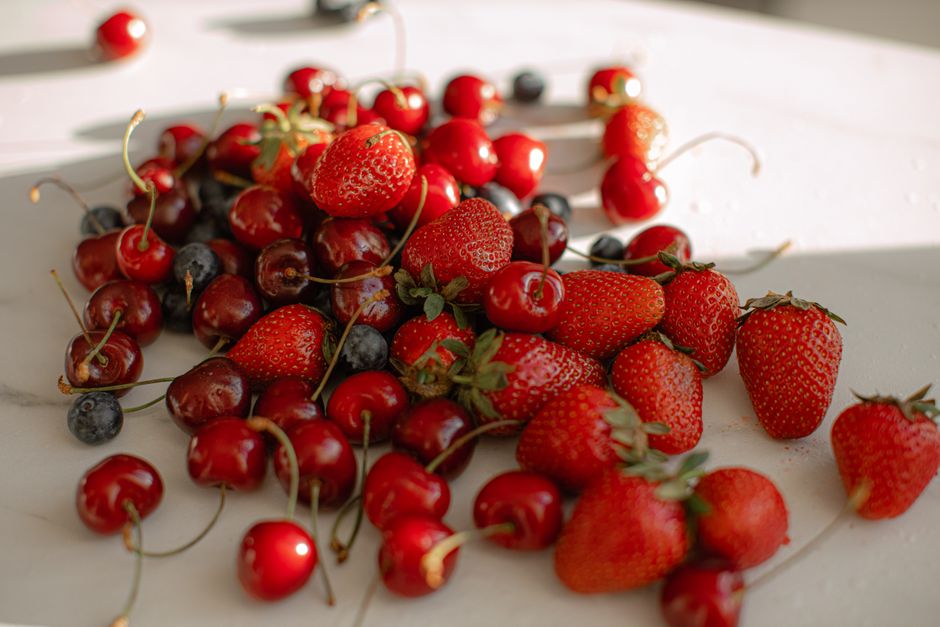
Berries (blueberries, raspberries, strawberries) contain anthocyanins that protect brain and heart health. Eat them fresh, frozen, or in smoothies.
Dark Chocolate is rich in flavonoids and provides both antioxidant and mood-boosting benefits. Choose varieties with 70% cocoa or higher.
Nuts and Seeds (almonds, walnuts, sunflower seeds) offer vitamin E, selenium, and healthy fats for sustained antioxidant protection.
Green Tea contains powerful polyphenols that enhance metabolism and provide neuroprotective benefits. Drink 2-3 cups daily.
Vegetables (spinach, kale, broccoli) are antioxidant powerhouses, especially when eaten raw or lightly cooked.
Colorful Produce (red tomatoes, orange carrots, purple cabbage) provides diverse antioxidant compounds. Eat the rainbow daily.

How to Maximize Your Antioxidant Intake
To get the most antioxidant benefits:
Eat a variety of colorful fruits and vegetables daily. Different colors indicate different antioxidant compounds, so diversity matters.
Choose fresh or minimally processed foods, as processing can reduce antioxidant content. Frozen fruits and vegetables retain most antioxidants.
Cook lightly when possible. Excessive heat can degrade some antioxidants, so raw or lightly steamed vegetables preserve more benefits.
Drink plenty of water and include antioxidant beverages like green tea, fresh-squeezed juices, and herbal teas.
Combine antioxidants with healthy fats like olive oil or avocado, which help your body absorb fat-soluble antioxidants like vitamins A and E.
The Importance of Balance
While antioxidants are beneficial, balance is crucial. Some research suggests excessive supplementation with isolated antioxidants may interfere with your body’s natural adaptive responses. Rather than mega-dosing supplements, focus on whole food sources that provide antioxidants along with fiber, vitamins, and minerals.
Additionally, some free radical production is necessary for cellular signaling and immune function. Your body needs balance, not complete free radical elimination. A diet rich in whole foods provides the right proportion of antioxidants to support optimal health without excess.
Frequently Asked Questions (FAQ)
Q: What’s the difference between enzymatic and dietary antioxidants?
A: Enzymatic antioxidants like superoxide dismutase and catalase are produced by your body itself, while dietary antioxidants like vitamin C, vitamin E, and flavonoids come from food and support those internal defenses.
Q: Can you have too much of a good thing with antioxidants?
A: Yes — some research suggests excessive supplementation with isolated antioxidants can interfere with the body’s natural adaptive responses, which is why whole food sources are generally preferred over mega-dose supplements.
Q: Which foods provide the most antioxidant protection?
A: Berries, dark chocolate with 70% cocoa or higher, nuts and seeds, green tea, and colorful vegetables like spinach, kale, and tomatoes are among the richest antioxidant sources.
Conclusion
Antioxidants are fundamental to health, protecting your cells from oxidative damage that accelerates aging and disease. By understanding the types of antioxidants, recognizing rich food sources, and making them a dietary priority, you invest in long-term wellness and vitality.
Start today by adding more colorful fruits, vegetables, nuts, and teas to your diet. Your body will thank you with improved energy, better immunity, and protection against chronic disease. Remember that antioxidants work best as part of a balanced, healthy lifestyle that includes exercise, adequate sleep, and stress management.
📧 Get More Insights Like This
Join thousands of readers who receive evidence-based personal development tips directly in their inbox.
🌟 Start Your Transformation Today
Ready to take the next step in your personal development journey?
Learn More About Us Browse All Articles