Body Hydration: Complete Guide to Staying Hydrated
Introduction to Hydration Importance
Hydration refers to the process of providing your body with an adequate amount of fluids, typically in the form of water, to maintain proper physiological function. Your body is approximately 60% water, making hydration one of the most fundamental aspects of health. Water plays a vital role in nearly every bodily function, from regulating temperature to delivering nutrients to your cells. Staying hydrated is not just important—it’s essential for optimal health, energy, and longevity.
How Much Water You Need
Understanding the 8x8 Rule
The popular “8x8 rule” suggests drinking eight 8-ounce glasses of water per day, which equals about 64 ounces or two liters. This is a good baseline for many people and serves as a simple guideline to remember. However, your individual needs may differ based on various factors.
Individual Hydration Needs
The amount of water your body needs varies based on several factors:
- Age and sex: Younger people and women may have slightly different hydration needs than older individuals or men
- Body size: Larger individuals typically need more water than smaller ones
- Activity level: Active people require more fluids to replace what’s lost through sweat
- Climate: Living in hot or humid environments increases your water needs
- Health status: Certain conditions affect how much fluid you need
- Pregnancy and breastfeeding: These life stages significantly increase hydration requirements
A practical approach is to listen to your body and adjust your intake based on these personal factors.
Signs of Proper Hydration vs. Dehydration
Well-Hydrated Signs
When you’re properly hydrated, you’ll notice:
- Pale or light yellow urine
- Steady energy levels throughout the day
- Clear skin and moist lips
- Good concentration and mental clarity
- Normal thirst levels
Dehydration Warning Signs
Dehydration occurs when your body loses more fluids than it takes in. Common signs include:
- Dark yellow or amber-colored urine
- Persistent thirst
- Dry mouth and lips
- Fatigue and weakness
- Dizziness or lightheadedness
- Reduced urine output
- Dry skin
- Difficulty concentrating
Pay attention to these signals as early warning signs that you need to increase your fluid intake.
Benefits of Staying Hydrated
Physical Performance
Staying hydrated improves athletic performance and endurance. Water is essential for muscle function, temperature regulation, and efficient oxygen delivery. Even mild dehydration can reduce your strength, power, and aerobic capacity by up to 30%.
Cognitive Function
Your brain is approximately 75% water. Proper hydration enhances focus, memory, and mental alertness. Just a 2% drop in body fluids can impair concentration and increase mental fatigue.
Skin Health
Water hydrates skin from the inside out. Consistent hydration promotes clear, glowing, and more youthful-looking skin. It helps flush out toxins and reduces the appearance of blemishes.
Kidney Function
Your kidneys rely on adequate water to filter waste products and create urine. Staying hydrated supports healthy kidney function and helps prevent kidney stones and infections.
Digestion
Water aids every step of the digestive process. Proper hydration improves digestive efficiency, prevents constipation, and supports nutrient absorption.
Weight Management
Drinking water before meals can reduce appetite and help with weight management. Water has zero calories and can boost metabolism, supporting healthy weight loss goals.
Best Hydrating Beverages
While plain water is the best choice, other beverages contribute to your daily hydration:
- Water: Always your first choice—pure, calorie-free, and perfectly hydrating
- Herbal teas: Chamomile, peppermint, and ginger teas provide hydration with added benefits
- Green and black tea: Contain beneficial antioxidants while contributing to fluid intake
- Coconut water: Naturally rich in electrolytes, perfect after exercise
- Milk: Provides hydration plus calcium and protein
- Coffee: While caffeinated, moderate consumption still contributes to hydration
Limit sugary drinks and sodas, as excess sugar can have negative health effects despite their fluid content.

Hydrating Foods
Many nutritious foods contribute significantly to your daily water intake:
- Cucumbers: Over 95% water content—perfect for snacking
- Watermelon: Refreshing and hydrating, with 92% water content
- Strawberries: Hydrating berries loaded with vitamins
- Oranges and citrus: Juicy fruits that provide both water and vitamin C
- Lettuce and leafy greens: Light and hydrating, great in salads
- Tomatoes: Contain 95% water and are packed with nutrients
- Zucchini: A versatile, water-rich vegetable
- Celery: Crunchy and very hydrating with minimal calories
Incorporating these foods into your diet boosts overall hydration while providing essential nutrients.
When You Need More Water
During Exercise
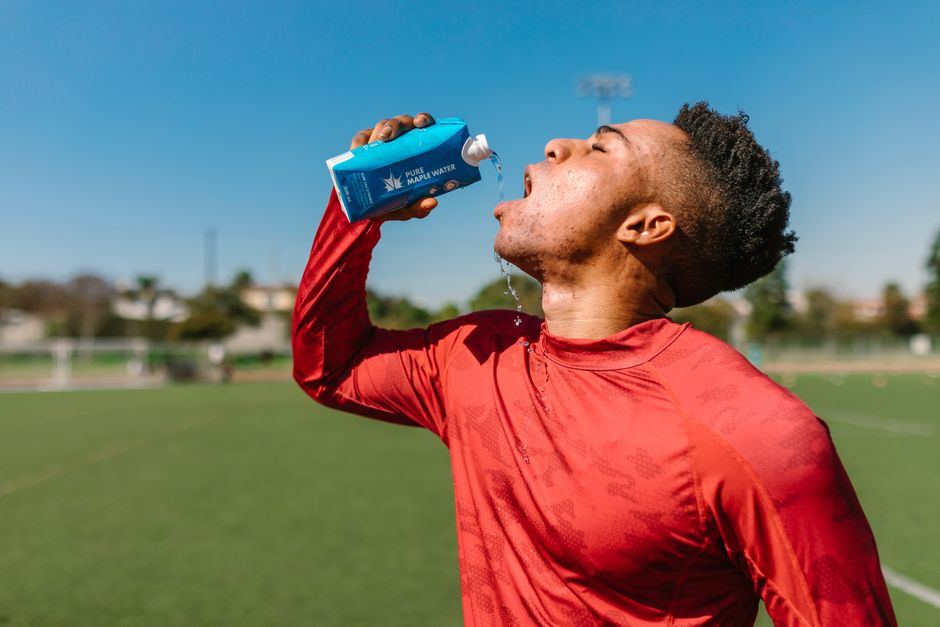
Physical activity increases water loss through sweat. Drink extra water before, during, and after exercise to maintain performance and prevent dehydration.
In Hot or Humid Environments
Heat causes increased perspiration. Whether you’re in a hot climate or experiencing summer weather, increase your water intake to compensate for additional losses.
During Illness
Fever, vomiting, and diarrhea deplete your body’s fluids rapidly. Drink more water and electrolyte beverages when sick to aid recovery.
High Altitude
Altitude increases water loss through breathing. If traveling to high elevations, boost your hydration before and during your trip.
Pregnancy and Breastfeeding
These life stages demand additional fluids. Consult your healthcare provider about appropriate hydration targets.
Overhydration Risks
While rare, overhydration (hyponatremia) can occur when you drink excessive water without replacing electrolytes. This can happen during extreme endurance events. Balance your water intake with electrolyte consumption during intense, prolonged physical activity.
Tips for Staying Hydrated
- Start your day with water: Drink a glass of water first thing in the morning to rehydrate after sleep
- Keep water accessible: Carry a water bottle throughout your day for convenient sipping
- Drink with meals: Make water your beverage choice during breakfast, lunch, and dinner
- Monitor urine color: Use it as your hydration indicator—aim for pale yellow
- Drink before you’re thirsty: Thirst often indicates mild dehydration already in progress
- Set reminders: Use phone alarms or apps to prompt regular water breaks
- Flavor your water: Add lemon, cucumber, or berries if plain water feels monotonous
- Increase intake gradually: If you’re not currently drinking enough, build up your intake slowly
- Listen to your body: Adjust based on activity level, climate, and individual needs
- Make it a habit: Consistency is key—hydration should become a natural part of your daily routine
Remember that individual hydration needs vary, and it’s essential to tailor your fluid intake to your specific circumstances. Pay attention to how you feel, monitor your body’s signals, and adjust accordingly. Your body will thank you for maintaining proper hydration with improved energy, clearer skin, better focus, and overall better health.
Frequently Asked Questions (FAQ)
Q: Does the “8x8 rule” of eight glasses a day apply to everyone?
A: It’s a reasonable baseline, but actual needs vary based on body size, activity level, climate, and health status, so it should be adjusted to your individual circumstances rather than treated as a fixed rule.
Q: What are the earliest warning signs of dehydration?
A: Dark yellow urine, persistent thirst, dry mouth, fatigue, and difficulty concentrating are among the earliest signs that fluid intake needs to increase.
Q: Can you drink too much water?
A: Yes — overhydration (hyponatremia) can occur when you drink excessive water without replacing electrolytes, most commonly during extreme endurance events, so balancing water with electrolytes matters during intense, prolonged activity.
Conclusion
Proper hydration touches nearly every system in the body, from physical performance and cognitive function to skin health and digestion, and even mild dehydration can measurably reduce strength and focus. While the “8 glasses a day” guideline is a useful starting point, actual needs shift with activity level, climate, and health status, so monitoring signals like urine color and thirst is more reliable than a fixed number. Building simple habits — drinking water first thing in the morning, carrying a bottle, and eating water-rich foods like cucumbers and watermelon — makes consistent hydration far easier to maintain. ***
Disclaimer: This article is for informational purposes only. Please consult with a qualified healthcare provider for medical advice.
📧 Get More Insights Like This
Join thousands of readers who receive evidence-based personal development tips directly in their inbox.
🌟 Start Your Transformation Today
Ready to take the next step in your personal development journey?
Learn More About Us Browse All Articles