
Parrots vs Pigeons: Complete Guide to Intelligence, Diet & Lifespan
Parrots vs Pigeons: Complete Comparison Guide
When considering a pet bird, parrots and pigeons are popular choices, but they differ dramatically in intelligence, behavior, diet, and long-term care requirements. This comprehensive guide explores both birds to help you choose the right companion for your lifestyle and capability.
Overview: What Are Parrots and Pigeons?
Parrots
Parrots are highly intelligent birds belonging to the family Psittacidae, with over 350 species ranging from small budgies to large macaws. Key characteristics:
- Large, curved beaks
- Strong feet for gripping
- Vibrant, colorful plumage
- Indigenous to tropical and subtropical regions
Pigeons
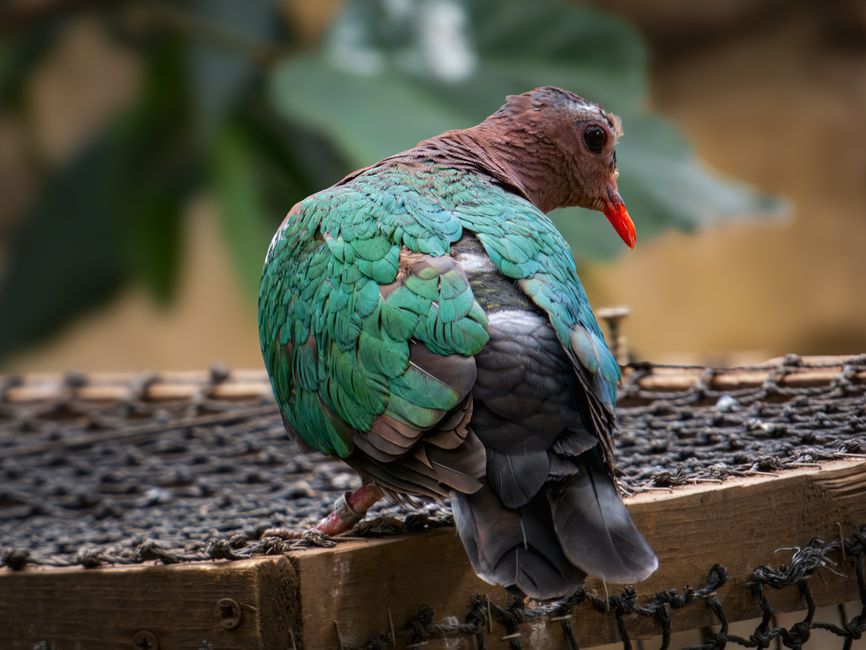
Pigeons belong to the family Columbidae and are found worldwide. Characteristics:
- Medium-sized birds
- Small beaked heads
- Strong flight capabilities
- Earth-tone coloring (though some varieties are colorful)
Intelligence Comparison
Parrot Intelligence
Parrots are among the world’s most intelligent birds, with cognitive abilities comparable to dolphins and primates:
- Memory capacity: Exceptional long-term memory—can remember hundreds of words and complex commands
- Problem-solving: Can understand cause-and-effect relationships and solve multi-step puzzles
- Language acquisition: Many species learn 100-1,000+ words and understand context
- Emotional intelligence: Recognize faces, understand emotions, and form deep bonds
- Tool use: Some species use tools to extract food in the wild
- Brain-to-body ratio: Second only to humans, giving them remarkable cognitive capacity
Research findings:
- African grey parrots score at the level of a 6-year-old child in cognitive tests
- Parrots demonstrate abstract thinking and can understand numbers and categories
- They show evidence of metacognition—awareness of their own thinking
Pigeon Intelligence
Pigeons are intelligent birds, though significantly less so than parrots:
- Memory: Excellent spatial memory—can remember routes and locations
- Problem-solving: Can learn basic tasks and simple problem-solving
- Navigation: Exceptional homing abilities using magnetic field sensing
- Communication: Limited vocalization—cooing sounds rather than speech
- Social structure: Understand basic hierarchy and social dynamics
Research findings:
- Pigeons can distinguish between photographs and recognize hundreds of individual humans
- They can learn to use computers and respond to visual stimuli
- Military and research institutions have used pigeons for reconnaissance due to their reliable homing abilities
Verdict: Parrots are 5-10 times more intelligent than pigeons.
Behavioral Differences
Parrot Behavior
- Highly social: Require extensive daily interaction (3-4 hours minimum)
- Emotional: Form strong bonds with humans; experience anxiety when alone
- Vocal: Loud and expressive, with natural inclination to scream during dawn/dusk
- Playful: Enjoy games, toys, and mental stimulation
- Destructive tendency: Can destroy furniture and household items without proper enrichment
- Lifespan considerations: 20-50+ years creates long-term commitment
Pigeon Behavior
- Independent: Can be kept in pairs or groups without constant human interaction
- Calm: Peaceful, gentle birds without loud vocalizations
- Consistent routines: Prefer predictability and stable environments
- Nest-focused: Naturally want to pair up and build nests
- Flight-oriented: Enjoy flying and require adequate space
- Shorter lifespan: 8-15 years is more typical
Verdict: Pigeons are far less demanding emotionally and vocally.
Diet and Nutrition
Parrot Diet
Parrots require diverse, nutrient-rich diets:
- Pellets: Formulated bird pellets (40-50% of diet)
- Fresh fruits: Apples, berries, oranges (rich in vitamin C)
- Vegetables: Dark leafy greens, carrots, peppers (contain antioxidants)
- Nuts and seeds: Limited—high in fat but rich in minerals
- Proteins: Legumes, eggs, occasional cooked chicken
- Foods to avoid: Avocado, chocolate, caffeine, salt, fatty foods
Nutritional needs:
- Calcium: Essential for bone health—1,000-1,200mg daily
- Vitamin A: Prevents respiratory diseases—5,000-10,000 IU daily
- Omega-3 fatty acids: Support brain function and feather health
- Cost: $100-300 monthly for quality diet
Pigeon Diet
Pigeons have simpler dietary needs:
- Seeds and grains: Mixture of sunflower seeds, millet, wheat
- Vegetables: Lettuce, spinach, broccoli
- Grit: Necessary for digestive system to break down seeds
- Water: Constant access essential
- Minimal processing: Unlike parrots, can thrive on basic seeds
- Cost: $20-50 monthly
Nutritional needs:
- Protein: 12-14% of diet for muscle maintenance
- Calcium: Important for eggshell production in breeding birds
- Iodine: Supports metabolism
Lifespan: Long-Term Commitment
Parrot Lifespan
Varies dramatically by species:
- Small parrots (budgies, lovebirds): 5-10 years
- Medium parrots (cockatiel, conure): 15-25 years
- Large parrots (African grey, macaw): 40-80+ years
- Oldest recorded parrot: Cockatoo lived 120 years
Health factors affecting lifespan:
- Veterinary care: Regular check-ups extend life 15-20 years
- Diet quality: Proper nutrition prevents disease
- Mental stimulation: Prevents stress-related illness
- Social connection: Isolation shortens lifespan significantly
Pigeon Lifespan
- Average: 8-15 years in captivity
- Wild pigeons: 3-5 years (higher predation, disease)
- Record age: Some documented pigeons reaching 20+ years
- Shorter lifespan means less long-term commitment
Physical Care and Housing Requirements
Parrot Housing
Parrots require substantial space and enrichment:
- Cage size: Minimum 24”x24”x24” for small species; much larger for macaws
- Bar spacing: Small enough to prevent head entrapment
- Perches: Multiple natural wood perches (different diameters)
- Toys: Rotating toys for mental stimulation—chewing, foraging, puzzle toys
- Light cycle: 10-12 hours of sleep daily; mimicking natural light
- Temperature: 65-80°F optimal; sensitive to drafts and fumes
- Cleanliness: Daily cleaning required to prevent fungal and bacterial infections
Pigeon Housing
- Coop/loft: 3-4 cubic feet per pigeon
- Perches: Horizontal roosting bars
- Nesting boxes: If breeding
- Ventilation: Essential to prevent respiratory disease
- Temperature: Hardy birds; tolerate 40-85°F
- Space efficiency: More space-efficient than parrots
Verdict: Parrots require significantly more sophisticated housing.

Training and Vocalization
Parrot Training
Parrots can be extensively trained:
- Speech: Many learn 50-1,000+ words with context
- Tricks: Complex behaviors (step up, play dead, ring bells)
- Potty training: Can be taught to eliminate on command
- Recall: Can learn to fly free and return on command
- Training duration: Requires 30 minutes daily minimum
- Training difficulty: Requires patience; can be stubborn
Notable abilities:
- Kea parrots can solve 11-step puzzles
- African greys understand numbers, colors, and shapes
- Some parrots demonstrate apparent humor and playfulness
Pigeon Training
- Limited speech: Cannot learn words or complex tricks
- Basic conditioning: Can learn simple associations (food reward)
- Homing: Naturally navigate to home
- Gentleness: Easy to hand-tame but won’t perform complex tricks
- Training difficulty: Straightforward, consistent, predictable
Vocalization and Noise Level
Parrot Vocalization
- Volume: 80-130 decibels (some macaws equal a jet engine)
- Frequency: Most vocal at dawn and dusk
- Variability: Mimic sounds they hear, including household noises
- Consistency: Vocalizing is natural behavior, difficult to suppress
- Neighborhood concern: Can disturb neighbors—major consideration
Pigeon Vocalization
- Volume: Quiet—low cooing sounds (40-50 decibels)
- Frequency: Gentle, rhythmic—many people find it soothing
- Predictability: Consistent, not disruptive
- Apartment-friendly: Suitable for noise-sensitive environments
Cost Comparison
| Factor | Parrot | Pigeon |
|---|---|---|
| Purchase price | $50-3,000+ | $5-50 |
| Housing | $300-2,000+ | $100-500 |
| Annual food | $1,200-3,600 | $240-600 |
| Veterinary care | $500-2,000/year | $100-300/year |
| Toys/enrichment | $500-2,000/year | $50-200/year |
| Total first-year | $2,500-8,000+ | $500-1,500 |
Health Considerations
Parrot Health Issues
- Feather plucking: Stress response from inadequate enrichment
- Respiratory infections: Susceptible to PBFD and aspergillosis
- Nutritional deficiency: Vitamin A deficiency common
- Behavioral problems: Aggression from inadequate socialization
- Vet availability: Avian vets harder to find; more expensive
Pigeon Health Issues
- Parasites: External mites and internal worms
- Respiratory disease: Prone to fungal infections in poor ventilation
- Predators: Outdoor birds at risk
- Common care: General veterinary care sufficient
Which Bird Suits Your Lifestyle?
Choose a Parrot If You:
- Have 3-4+ hours daily for interaction and enrichment
- Enjoy teaching and training complex behaviors
- Can tolerate loud vocalizations
- Commit to 20-50+ year relationship
- Have financial resources for quality care
- Want a highly social, emotional companion
- Have adequate outdoor space for flight (some species)
Choose a Pigeon If You:
- Prefer lower maintenance requirements
- Have limited space in apartments
- Want a quiet, peaceful companion
- Prefer visual beauty over interactive engagement
- Cannot commit to 50+ years
- Have limited budget
- Want multiple birds without excessive noise
- Prefer watching natural behaviors to training
Frequently Asked Questions (FAQ)
Q: Which bird is smarter, a parrot or a pigeon?
A: Parrots are considerably more intelligent—African grey parrots score at roughly the cognitive level of a 6-year-old child and can learn hundreds of words, while pigeons, though skilled at spatial navigation and facial recognition, are estimated to be 5-10 times less cognitively advanced than parrots.
Q: How much does it cost to keep a parrot compared to a pigeon in the first year?
A: A parrot’s first year typically costs $2,500-$8,000 or more once you factor in purchase price, housing, food, vet care, and enrichment toys, while a pigeon’s first year usually runs just $500-$1,500 thanks to simpler housing and cheaper seed-based diets.
Q: Which bird is better suited for a quiet apartment?
A: Pigeons are the better choice for noise-sensitive environments—their cooing tops out around 40-50 decibels, compared to parrots, which can reach 80-130 decibels and are naturally loudest at dawn and dusk.
Conclusion
Parrots are extraordinarily intelligent, emotionally complex birds that demand comprehensive care, constant interaction, and long-term commitment—making them suitable primarily for dedicated, patient bird enthusiasts. Pigeons are gentle, independent birds requiring significantly less interaction and resources, making them ideal for people seeking a beautiful, peaceful companion without demanding daily engagement.
The choice between them depends entirely on your lifestyle, available time, financial resources, and commitment level. Both can be wonderful companions—parrots as interactive partners, pigeons as peaceful observers. Choose based on honest assessment of your capabilities, not romantic notions of bird ownership.
📧 Get More Insights Like This
Join thousands of readers who receive evidence-based personal development tips directly in their inbox.
🌟 Start Your Transformation Today
Ready to take the next step in your personal development journey?
Learn More About Us Browse All Articles