
Nobel Peace Prize: History, Purpose, Criteria, and Global Impact
The Nobel Peace Prize: History, Purpose, and Global Impact
The Nobel Peace Prize stands as one of the world’s most prestigious and symbolically powerful honors. Established by the will of Alfred Nobel in 1895, this annual award represents humanity’s highest aspiration: recognizing those who work to reduce suffering, promote justice, and advance peace in our world. Understanding the Nobel Peace Prize’s history, criteria, and impact provides insight into how the world recognizes peacemakers.
The Origins of Alfred Nobel’s Vision
Who Was Alfred Nobel?
The paradox of the prize:
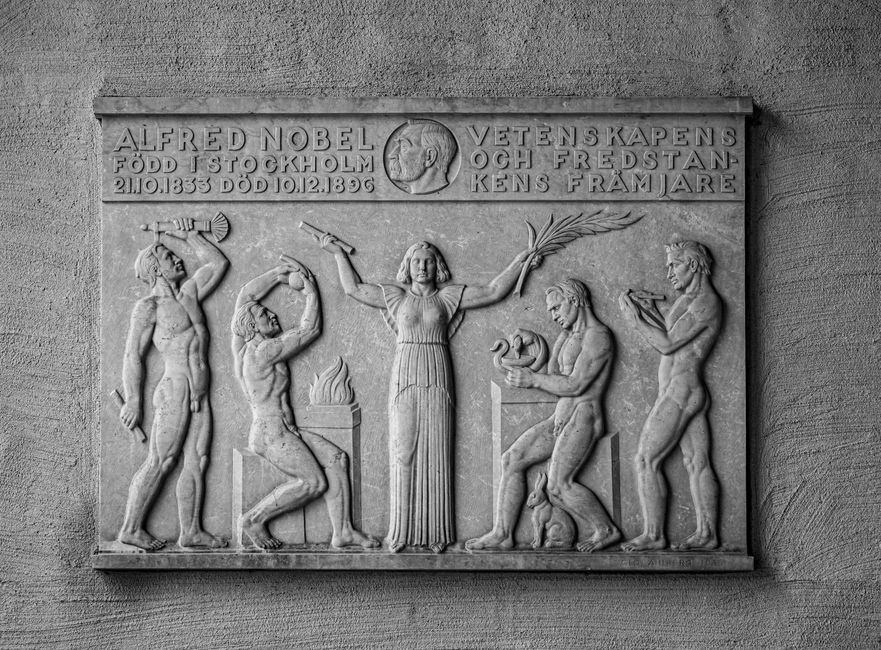
Alfred Nobel (1833-1896) was a Swedish chemist and engineer who invented dynamite—a powerful explosive. Yet this man, who made his fortune through explosives used in warfare and industry, left a will requesting that his wealth establish prizes for those working toward peace, science, literature, medicine, and economics.
The reason for this seeming contradiction:
Nobel reportedly witnessed the destruction caused by explosives and wanted his legacy to emphasize human progress and peace rather than weapons. The Nobel Peace Prize thus represents a profound conviction: that the power to destroy can be transformed into the power to build and heal.
The Will of 1895
Nobel’s specific bequest:
When Nobel died in 1896, his will stated that the Peace Prize should be awarded to:
“The person who shall have done the most or the best work for fraternity between nations, for the abolition or reduction of standing armies and for the holding and promotion of peace congresses.”
This definition reflects Nobel’s 19th-century vision of peace focused on:
- Ending international wars through diplomacy
- Reducing military forces worldwide
- Building international institutions for peace cooperation
- Disarmament efforts preventing arms races
Modern Evolution and Expanded Criteria
How the Prize Definition Has Evolved
While maintaining Nobel’s original vision, the Norwegian Nobel Committee has expanded the prize’s scope to include:
Human rights and dignity:
- Defending freedom of expression and press freedom
- Protecting human rights and fundamental dignity
- Fighting oppression and discrimination
- Advocating for justice and accountability
Conflict resolution:
- Mediating conflicts between nations
- Promoting reconciliation after wars
- Non-violent resistance to oppression
- Peace negotiations between hostile parties
Systemic change:
- Democracy promotion and institutional reform
- Environmental protection and climate action
- Eliminating poverty and inequality
- Ensuring education access and development
The Selection Process
How the Prize Is Awarded
The nomination process:
Who can nominate?
- University professors in law, history, political science
- Members of international peace organizations
- Government officials and legislators
- Previous Nobel Peace Prize laureates
- Directors of peace institutes
The selection timeline:
- January 31: Nomination deadline
- February-September: Norwegian Nobel Committee evaluates candidates
- Early October: Winner(s) announced publicly
- December 10: Award ceremony in Oslo City Hall, Norway (unlike other Nobel prizes awarded in Stockholm, Sweden)
Evaluation Criteria
The committee considers:
- Concrete contributions to peace and human rights
- International impact and recognition
- Moral authority and integrity
- Sustained commitment to peace work
- Potential to inspire global action

Notable Nobel Peace Prize Winners
Historical Achievements
Key laureates and their impact:
1964 - Martin Luther King Jr.: Pioneered non-violent struggle against racial segregation, transforming American society and inspiring global movements for justice.
1979 - Mother Teresa: Dedicated her life to serving the poorest of the poor in Calcutta, demonstrating compassion transcends boundaries.
1993 - Nelson Mandela and F.W. de Klerk: Led peaceful transition from apartheid in South Africa through negotiation and reconciliation.
2006 - Muhammad Yunus: Created micro-credit revolution, lifting billions from poverty through access to capital.
2014 - Malala Yousafzai and Kailash Satyarthi: Fought for education rights and against child labor, inspiring youth activism worldwide.
2021 - Maria Ressa and Dmitry Muratov: Safeguarded freedom of expression and journalism despite authoritarian pressure.
2023 - Narges Mohammadi: Fighting oppression of women and promoting human rights in Iran.
Why These Matter
Each award represents global recognition of courage, sacrifice, and vision. These laureates have:
- Transformed systems of injustice
- Inspired movements for peace and rights
- Demonstrated that change is possible through persistence
- Shown moral clarity in difficult circumstances
- Advanced human dignity across generations
Controversies and Criticisms
Notable Controversies
Henry Kissinger (1973):
- Awarded for peace negotiations in Vietnam War
- Critics argued he prolonged the war and bore responsibility for Cambodian bombing
- Remains most controversial award in Nobel’s history
Barack Obama (2009):
- Awarded early in first term as president
- Committee said it was for promise and vision rather than achievements
- Critics argued premature—he hadn’t yet accomplished major peace goals
Missing recognitions:
- Mahatma Gandhi: Never won despite pioneering non-violence
- Eleanor Roosevelt: Architect of Human Rights Declaration never received prize
- Desmond Tutu: Though influential, excluded from recognition
Years Without Awards
In some years, the committee awarded no prize, including:
- 1914, 1915, 1916: World War I
- 1939-1943: World War II
- Multiple years during Cold War tensions
When no suitable candidates represent the committee’s standards, the prize goes unawarded rather than compromise its integrity.
The Prize’s Global Impact
Why the Nobel Peace Prize Matters
Symbolic power:
- Elevates peacemakers to world prominence
- Validates peaceful approaches in violent contexts
- Provides platform for messages of hope
- Honors sacrifice in pursuit of justice
- Inspires next generation of activists
Practical effects:
- Financial resources enabling impact
- International attention amplifying messages
- Security and protection for laureates and their causes
- Institutional support from Nobel Foundation
- Moral authority in global advocacy
Contemporary Relevance
The Nobel Peace Prize remains vital because:
- Armed conflicts persist despite 125+ years of awards
- New threats emerge — climate crisis, pandemics, cyber warfare
- Human rights abuses continue requiring courageous advocates
- Peace requires champions who sacrifice and persist
- The world needs stories of hope and transformation
Conclusion: Nobel’s Legacy Lives On
The Nobel Peace Prize represents more than an honor. It embodies Alfred Nobel’s redemption narrative—transforming the instruments of destruction into recognition for those building peace. It says to the world:
“These people matter. Their work matters. Peace is possible.”
As global challenges mount—climate change, inequality, authoritarianism, conflict—the Nobel Peace Prize reminds us that individual courage, moral clarity, and sustained commitment can change the world.
Each year’s announcement reminds humanity of its highest calling: not the capacity to destroy, but the capacity to heal, reconcile, and build a more just, peaceful world.
That is Alfred Nobel’s lasting legacy.
📧 Get More Insights Like This
Join thousands of readers who receive evidence-based personal development tips directly in their inbox.
🌟 Start Your Transformation Today
Ready to take the next step in your personal development journey?
Learn More About Us Browse All Articles