
flax seeds benefit and loss
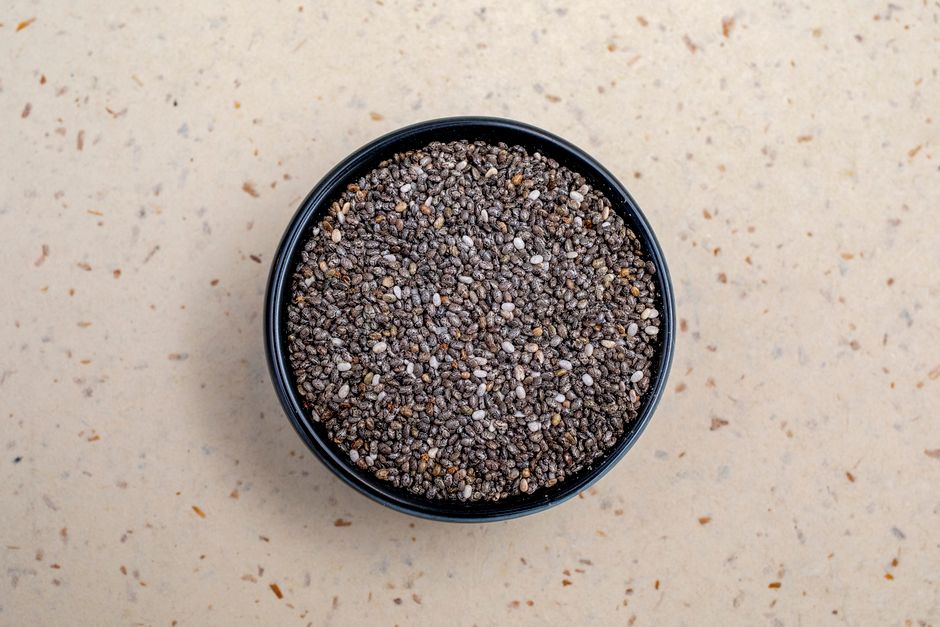
Flax seeds are small, nutrient-rich seeds derived from the flax plant (Linum usitatissimum). They are commonly consumed for their health benefits and are available in whole, ground (milled), or oil form. Below is a detailed breakdown of their benefits and potential drawbacks.
Introduction
✅ Benefits of Flax Seeds
- Rich Source of Omega-3 Fatty Acids
Flax seeds contain alpha-linolenic acid (ALA), a plant-based omega-3 fatty acid.
ALA may help reduce inflammation and lower the risk of heart disease and stroke.
- High in Dietary Fiber
Both soluble and insoluble fiber help:
Improve digestion.
Prevent constipation.
Regulate blood sugar levels.
Promote satiety, aiding in weight loss.
- Lignans with Antioxidant Properties
Flax seeds are the richest source of lignans, which are polyphenols.
Lignans have estrogenic and antioxidant properties:
May help reduce the risk of breast and prostate cancer.
Could help balance hormone levels.
- Cholesterol-Lowering Effects
Regular consumption can lower LDL (bad cholesterol) levels without affecting HDL (good cholesterol).
Improves overall heart health.
- Blood Pressure Regulation
Some studies show that flax seeds may help reduce systolic and diastolic blood pressure, especially in hypertensive individuals.
- May Aid in Blood Sugar Control
The fiber content slows down the release of sugar into the blood, which can benefit those with type 2 diabetes.
- Skin and Hair Health
Omega-3s and antioxidants can promote:
Healthy, moisturized skin.
Stronger, shinier hair.
Potential Drawbacks / Side Effects
- Digestive Issues
High fiber can cause:
Bloating
Gas
Constipation (especially if not enough water is consumed)
Start with small amounts and gradually increase intake.
- May Interact with Medications
Especially blood thinners, diabetes medication, and hormone therapy.
Always consult a healthcare provider if you’re on medication.
- Hormonal Effects
Lignans mimic estrogen to some extent.
Caution for those with hormone-sensitive conditions (e.g., breast cancer, endometriosis).
- Cyanogenic Glycosides (in Raw Seeds)
Raw, unripe flax seeds may contain natural toxins like cyanogenic glycosides.
Cooking or baking usually inactivates these compounds.
Ground flax seeds are safer and more digestible.
- Allergic Reactions (Rare)
Some people may develop:
Skin rash
Itching
Breathing difficulty
- Not Ideal During Pregnancy in Large Quantities
Due to hormonal effects, it’s best to consult a doctor before consuming regularly during pregnancy or breastfeeding.
🥄 How to Use Flax Seeds
FormUseNotesWhole SeedsTopping for yogurt, smoothies, saladsPass undigested; less bioavailabilityGroundBaking, smoothies, oatmealBest for nutrient absorptionFlax OilSalad dressing, drizzlesNo fiber, must be refrigerated
✅ Recommended Daily Intake
1–2 tablespoons (10–20g) of ground flaxseed per day is a safe, beneficial amount for most adults.
Summary
AspectBenefitPotential RiskOmega-3Heart health, anti-inflammatoryNone directly, unless taking blood thinnersFiberDigestive health, cholesterol, weight lossBloating or constipation if overconsumedLignansAntioxidant, hormone balancingHormonal concerns in sensitive individualsVersatilityEasy to add to many dishesOil can go rancid if not stored properly
👉👉👇👇👇👇👇
Flaxseeds (also known as linseeds) are small, golden or brown seeds that have been consumed for thousands of years for their nutritional and medicinal properties. They are a powerhouse of nutrients but must be consumed properly to gain benefits and avoid potential drawbacks.
🔹 Nutritional Profile (Per 1 tablespoon / ~10 grams):
Calories: ~55
Fat: 4.3g (mainly polyunsaturated fats)
Omega-3 fatty acids (ALA): ~2.3g
Protein: 1.9g

Fiber: 2.8g
Lignans: High (phytoestrogenic compounds)
Vitamins & Minerals: B1 (Thiamine), B6, Magnesium, Phosphorus, Selenium
✅ Health Benefits of Flaxseeds:
- Rich in Omega-3 Fatty Acids (ALA)
Plant-based source of alpha-linolenic acid.
May reduce inflammation, improve heart health, and support brain function.
- Excellent Source of Dietary Fiber
Promotes healthy digestion.
Prevents constipation.
Helps regulate blood sugar and cholesterol levels.
- High in Lignans (Antioxidants & Phytoestrogens)
May reduce the risk of hormone-related cancers (e.g., breast and prostate).
Provide antioxidant support.
- May Lower Blood Pressure
Regular intake is associated with modest reductions in both systolic and diastolic blood pressure.
- Helps Lower Cholesterol
Soluble fiber helps reduce LDL (“bad”) cholesterol levels.
- Weight Management
Fiber and fat promote satiety and reduce hunger cravings.
- May Support Hormonal Balance
Especially beneficial for post-menopausal women due to lignan content.
Potential Side Effects / Losses / Risks:
- Digestive Issues
Raw or whole flaxseeds may pass through undigested.
Excessive fiber may cause bloating, gas, or diarrhea if not consumed with enough water.
- Cyanogenic Glycosides
Raw flax contains compounds that can release cyanide in large amounts.
Safe in typical dietary amounts; cooking or roasting helps inactivation.
- Hormonal Effects
Lignans have estrogen-like properties. Though often beneficial, they may interfere with hormonal therapies or conditions like endometriosis or PCOS in sensitive individuals.
- May Interact with Medications
Blood thinners, blood pressure, and diabetic medications might interact.
Speak with your doctor if you’re on medication.
- Pregnancy & Breastfeeding
Due to hormonal effects, it’s best to consult a healthcare provider before regular use.
- Risk of Obstruction
If consumed in dry, whole form without water, flaxseed may swell and pose a choking or intestinal blockage risk.
🔸 Best Practices for Use:
✅ Ground Flaxseeds > Whole Flaxseeds
Ground seeds are better absorbed.
Store in the fridge or freezer to prevent oxidation.
💡 Suggested Dosage:
1–2 tablespoons/day of ground flaxseed is generally safe and effective for most adults.
🥗 How to Add to Your Diet:
Add to smoothies, yogurt, oatmeal, salads, or baked goods.
Mix into pancake or bread batter.
Stir into soups or stews for a nutrition boost.
Ground vs. Whole Flax Seeds: Absorption Differences
Ground flax seeds offer superior nutrient absorption compared to whole seeds. When flax seeds remain whole, they pass through your digestive system largely intact, meaning you miss out on the omega-3s, fiber, and lignans they contain.
Ground (milled) flax seeds break down the hard seed coating, making nutrients bioavailable. For maximum benefit, consume ground flaxseed within 15 minutes of grinding, or store it properly to prevent oxidation.
Storage Tips for Ground Flax
Proper storage is crucial to prevent omega-3 fatty acid degradation:
- Refrigerate: Store ground flax in an airtight container in the refrigerator for up to 2–3 months
- Freeze: For longer storage (6–12 months), keep sealed containers in the freezer
- Avoid heat and light: Keep away from direct sunlight and warm kitchens
- Purchase in small quantities: Buy only what you’ll use within a few months
- Smell test: Discard if it smells fishy or rancid, indicating oxidation
Flax vs. Chia Seeds: A Quick Comparison
Both seeds are nutritional powerhouses, but differ slightly:
| Nutrient | Flax | Chia |
|---|---|---|
| Omega-3s (ALA) | 2.3g per tbsp | 2.5g per tbsp |
| Fiber | 2.8g per tbsp | 10g per tbsp |
| Lignans | Highest source | Lower amount |
| Absorption | Ground recommended | Can be whole |
Flax excels in lignans and offers more plant-based omega-3s, while chia seeds provide exceptional fiber with an easier digestibility profile.
Easy Flax Recipes & Additional Uses
- Flax Smoothie Bowl: Blend 1 tbsp ground flax with yogurt, berries, and milk
- Flax Baking: Add ground flax to muffins, breads, or pancake batter
- Morning Oatmeal Boost: Stir into oatmeal with fiber-rich toppings
- Energy Bites: Mix ground flax with nut butter and dates for quick snacks
- Salad Topping: Sprinkle over greens for added antioxidant power
🔄 Summary:
AspectBenefitRiskOmega-3Anti-inflammatory, heart healthCan oxidize if not stored properlyFiberDigestive health, weight managementGas, bloating if excessiveLignansHormonal balance, cancer preventionMay interfere with hormone-sensitive conditionsCholesterolLowers LDL—Blood PressureMay reduce—SafetySafe when ground, moderate useCyanide risk if raw & overconsumed
Frequently Asked Questions (FAQ)
Q: Should I eat flax seeds whole or ground?
A: Ground (milled) flax seeds are far better absorbed than whole ones. Whole seeds often pass through your digestive system intact, so you miss out on the omega-3s, fiber, and lignans—grinding breaks down the seed coat and makes those nutrients bioavailable.
Q: Are raw flax seeds safe to eat?
A: Raw, unripe flax seeds can contain small amounts of cyanogenic glycosides, natural compounds that release cyanide. Cooking or baking inactivates these compounds, and ground, properly stored flax seeds are considered safe and more digestible.
Q: How much flax seed should I eat per day, and how should I store it?
A: Most adults can safely consume 1-2 tablespoons (10-20g) of ground flaxseed daily. Because the omega-3 fats oxidize quickly, store ground flax in an airtight container in the fridge for up to 2-3 months, or in the freezer for 6-12 months.
Conclusion
Flax seeds deliver a rare combination of plant-based omega-3s, fiber, and hormone-balancing lignans that support heart, digestive, and hormonal health. The main risks—digestive upset, raw-seed toxins, and hormonal interactions—are easily avoided by choosing ground flax, cooking it, and storing it properly. Stick to about 1-2 tablespoons daily and consult a doctor if you’re pregnant, on medication, or have a hormone-sensitive condition. ***
Disclaimer: This article is for informational purposes only. Please consult with a qualified healthcare provider for medical advice.
📧 Get More Insights Like This
Join thousands of readers who receive evidence-based personal development tips directly in their inbox.
🌟 Start Your Transformation Today
Ready to take the next step in your personal development journey?
Learn More About Us Browse All Articles