
Shilajit: Complete Guide to Benefits and Side Effects

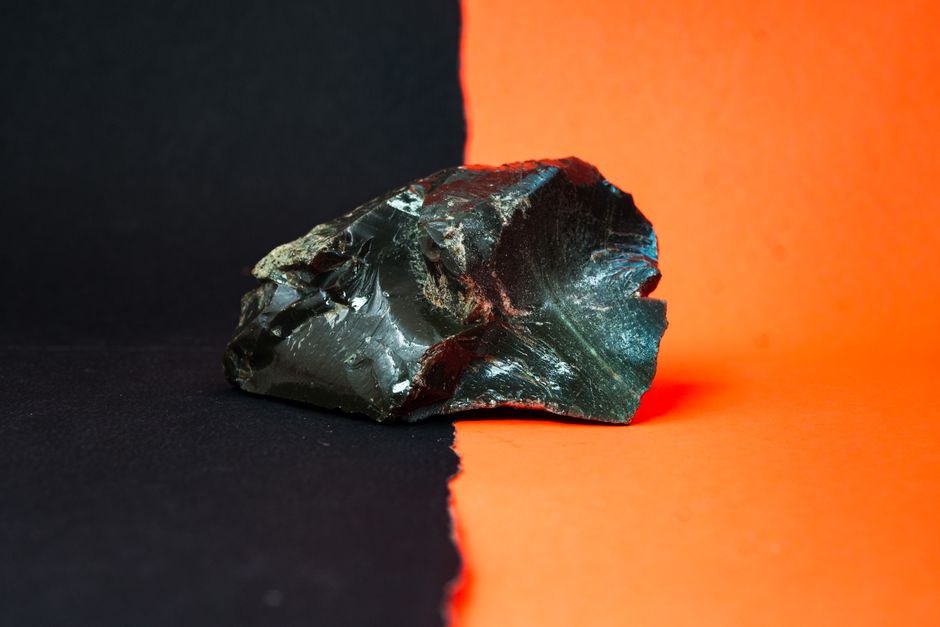
Shilajit is a sticky, tar-like substance primarily found in the rocks of the Himalayas, Altai, Caucasus, and Gilgit-Baltistan mountains. It’s formed over centuries by the decomposition of plant and microbial matter, compressed by layers of rock under specific climate and microbial conditions.
Introduction
Here’s a detailed breakdown of what original shilajit is and how to identify it:
🔍 What Is Original Shilajit?
Original (pure) shilajit is a natural mineral resin that oozes out of the cracks in the rocks during warmer months. It is known in Ayurveda as “Destroyer of Weakness” or “Conqueror of Mountains”.
🌋 Origins & Composition
Source Regions: Mostly Himalayan regions (India, Nepal, Bhutan, Tibet, Pakistan), Altai mountains (Russia), and parts of Central Asia.
Formation: Over thousands of years, microbial action and high pressure decompose plant matter between rock layers.
Key Components:
Fulvic Acid (up to 60%): A powerful antioxidant, anti-inflammatory agent.
Humic Acid
Minerals: Over 80 trace minerals (iron, zinc, magnesium, potassium, etc.)
Dibenzo-α-pyrones: Help in energy metabolism and mitochondrial function.
Amino Acids, Plant Sterols, and Enzymes
✅ Benefits of Genuine Shilajit
Backed by traditional medicine and some modern studies:
Boosts Energy & Stamina
Enhances Cognitive Function
Supports Testosterone and Fertility in Men
Improves Immune Function
Promotes Healthy Aging
Reduces Inflammation
Detoxifies the Body
🧪 How to Identify Original Shilajit
Genuine shilajit is rare and often adulterated. Here’s how to test it:
TestWhat to ExpectAppearanceDark brown to black resin; shiny when stretchedSolubilityDissolves completely in warm water/milk (no residue)Pliability TestSoft and sticky at room temp; hard when coldFlame TestDoes not burn like plastic or resin; it bubbles and charsTasteBitter and earthySmellStrong, earthy, tar-like aromapH TestSlightly acidic (~6–7) when dissolved in water
Fake vs. Real Shilajit
FeatureReal ShilajitFake ShilajitPriceExpensiveCheapSourceMountain-extractedFactory-synthesizedWater TestDissolves completelyLeaves residue or oily filmSmellNatural, earthySynthetic or chemical-likeEffectsGradual, natural energyOften none or stimulant-like “kick”
📦 Forms Available
Resin (Most potent, least processed)
Powder (Mixed with fillers sometimes)
Capsules/Tablets (Convenient but may be diluted)
Tincture (Alcohol-extracted form)
Storage, Shelf Life & Quality Indicators
Proper Storage: Store shilajit in an airtight, opaque container away from direct sunlight, heat, and moisture. Keep it in a cool, dry place (ideally 50-70°F). Properly stored resin can last 5-10 years without significant degradation.
Shelf Life Signs: High-quality shilajit maintains its potency for years. If it becomes overly hardened, brittle, or develops an off-smell, it may have degraded or been contaminated.
Quality Testing at Home: Beyond basic tests, look for third-party laboratory certificates verifying fulvic acid content (should be 15-30%), heavy metal absence, and microbial purity. Reputable brands provide Certificates of Analysis (CoA).
Cost Considerations: Pure, authentic shilajit resin ranges from $30-80 per gram due to labor-intensive extraction and transportation. Suspiciously cheap products (under $10 for genuine resin) are usually adulterated with fillers, heavy metals, or synthetic compounds. Powder forms are typically cheaper but may contain 20-40% fillers. Capsules offer convenience but often cost more per active ingredient.
🛒 Buying Tips
Choose reputable Ayurvedic or herbal brands.
Look for lab-tested products with a Certificate of Analysis (CoA).
Avoid “super cheap” products – real shilajit is labor-intensive to extract.
👇👇👇👇👇
Here’s a detailed and balanced overview of Shilajit’s benefits and potential side effects (losses), grounded in both traditional Ayurvedic texts and modern scientific research:
✅ BENEFITS OF SHILAJIT
- 🔋 Increases Energy & Stamina
How it works: Shilajit enhances mitochondrial function, helping cells produce more ATP (adenosine triphosphate) — the body’s main energy source.
Clinical Support: Research shows increased energy levels in athletes and those with chronic fatigue.
- 🧠 Improves Brain Function
Contains fulvic acid, a potent antioxidant that:
Reduces free radical damage in brain tissue.

May help prevent cognitive decline.
Some evidence suggests protective effects against Alzheimer’s disease (early-stage research).
- 🧬 Anti-Aging Properties
Antioxidants + minerals in shilajit protect the body from cellular damage.
Supports DNA repair and enhances longevity at the cellular level.
- 🧔♂️ Supports Male Fertility & Testosterone
Shilajit is clinically shown to:
Increase total and free testosterone levels.
Improve sperm count, motility, and semen quality.
Used in Ayurvedic medicine for centuries as a “vajikarana” (aphrodisiac and fertility enhancer).
- 🛡️ Boosts Immune System
Enhances white blood cell function and natural defense mechanisms.
Fulvic acid supports gut immunity and nutrient absorption.
- 🩺 Improves Heart Health
Regulates blood pressure and cholesterol levels.
Has mild vasodilatory effects (improves blood flow).
- 🍽️ Enhances Nutrient Absorption
Acts as a carrier molecule for minerals and nutrients, improving:
Bioavailability of vitamins
Overall digestion and gut health
- 💪 Reduces Inflammation & Pain
Traditional use for arthritis, joint pain, and muscle recovery.
Fulvic acid has anti-inflammatory properties similar to mild NSAIDs.
POTENTIAL SIDE EFFECTS (LOSSES)
Shilajit is generally safe when used in pure, tested form and appropriate doses, but here are the risks:
- ❌ Heavy Metal Contamination
Risk: Low-quality or unprocessed shilajit may contain lead, arsenic, or mercury.
Avoid: Non-lab-tested or unregulated products.
Solution: Only use purified, certified shilajit with a Certificate of Analysis (CoA).
- ⚖️ Possible Hormonal Effects
May increase testosterone too much in sensitive individuals.
Can cause acne, agitation, or hair thinning in rare cases.
- 🤢 Digestive Upset
In some people, especially at high doses:
Nausea
Loose stools
Stomach cramps
Fix: Take with warm milk or after food, and start with a small dose.
- ❤️ Who Should Avoid Shilajit
Medical Conditions: Avoid or consult a healthcare provider if you have gout or high uric acid levels (shilajit may increase uric acid), hypotension or chronic low blood pressure (it may lower BP further), hemochromatosis or iron overload disorders (shilajit contains iron), or autoimmune conditions that may be exacerbated by immune stimulation.
Special Populations: Not recommended for pregnant or breastfeeding women due to insufficient safety data. Children should not take shilajit without pediatric medical guidance. Individuals on blood thinners (warfarin, aspirin), diuretics, or hormonal therapy (testosterone replacement, oral contraceptives) should consult their doctor before use, as shilajit may interact with these medications.
- 👩🍼 Drug Interactions & Precautions
Always inform your healthcare provider if considering shilajit alongside medications, especially those affecting blood pressure, hormone levels, or anticoagulation.
🧪 Recommended Dosage
FormTypical DoseNotesResin300–500 mg/dayDissolve in warm water or milkPowder250–500 mg/dayMix with honey or gheeCapsuleFollow labelCheck for pure extract, no fillers
🧭 Best Practices
Start with a low dose and observe your body’s response.
Use purified, lab-tested, resin or extract.
Take on an empty stomach in the morning or with warm milk at night.
Scientific Research Status
While fulvic acid and shilajit compounds show promise in laboratory and animal studies, human clinical trials remain limited. Research published in reputable journals demonstrates benefits for energy, cognitive function, and male fertility, but most studies involve small sample sizes or are preliminary. Organizations like the NIH and WHO classify shilajit as “traditionally used” rather than clinically proven. More rigorous, large-scale human trials are needed to validate many traditional claims. That said, the safety profile is generally favorable when sourced from verified, contamination-free suppliers. Users should view shilajit as a supplement that complements—not replaces—medical treatment for health conditions.
📧 Get More Insights Like This
Join thousands of readers who receive evidence-based personal development tips directly in their inbox.
🌟 Start Your Transformation Today
Ready to take the next step in your personal development journey?
Learn More About Us Browse All Articles