
chia seeds benefit and loss

Chia Seeds: Benefits and Potential Side Effects
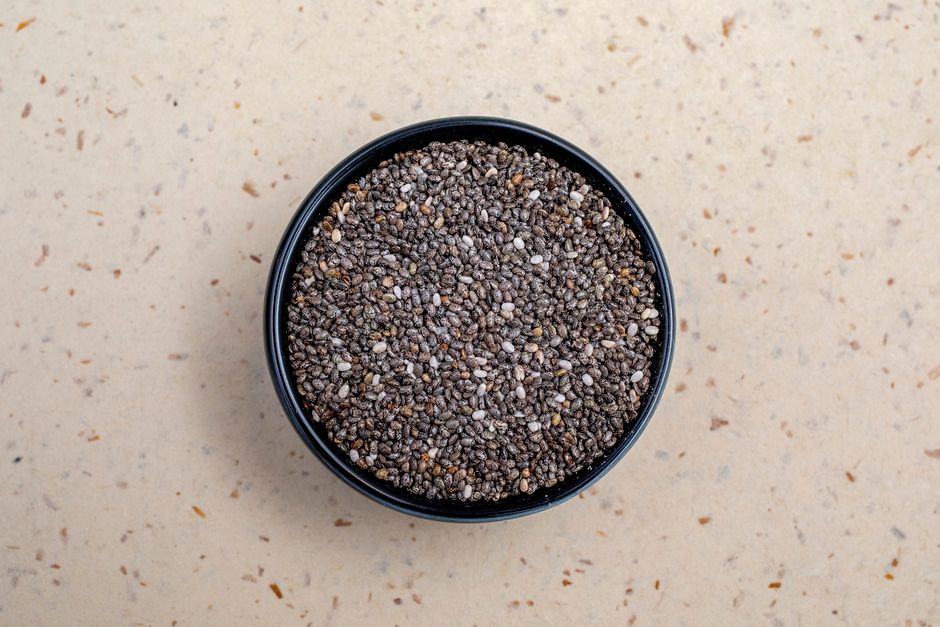
Introduction
✅ Benefits of Chia Seeds
Rich in Nutrients
High in fiber, protein, omega-3 fatty acids, and various micronutrients (calcium, magnesium, phosphorus).
High in Antioxidants
Help fight inflammation and oxidative stress, potentially lowering risk of chronic diseases.
Supports Digestive Health
High fiber content promotes regular bowel movements and gut health.
Aids in Weight Management
Expands in your stomach when soaked, promoting satiety and reducing overall calorie intake.
Heart Health
Omega-3s may help reduce bad cholesterol and blood pressure.
Blood Sugar Control
Fiber and protein help stabilize blood sugar levels, beneficial for people with type 2 diabetes.
Bone Health
Rich in calcium, magnesium, and phosphorus—key minerals for strong bones.
Easy to Incorporate
Tasteless and versatile: can be added to smoothies, yogurt, oatmeal, salads, or used as a thickener.
Potential Side Effects / Losses
Digestive Issues
Too much fiber too quickly can cause bloating, gas, or constipation. Increase intake gradually and drink plenty of water.
Choking Hazard
Dry chia seeds can expand in the throat. Always soak them or eat with liquid to avoid this risk.
Possible Allergic Reaction
Rare, but some people may be allergic—watch for symptoms like rash, itching, or swelling.
Interactions with Medications
May interact with blood pressure or blood thinner medications due to their omega-3 content. Consult your doctor.
Caloric Density
Though nutrient-rich, chia seeds are calorie-dense. Excess consumption can contribute to weight gain if not balanced.
💡 Recommended Intake:
1–2 tablespoons per day is generally safe and beneficial for most adults.
👇👇👇👇👇
Here’s a detailed overview of the benefits and potential drawbacks of chia seeds, based on scientific evidence and nutritional research:
🌱 Chia Seeds: Detailed Benefits
- Nutrient-Rich Superfood
Chia seeds are incredibly nutrient-dense, especially considering their small size.
Per 28g (1 oz / ~2 tablespoons):
Calories: ~138
Fiber: 10–11g
Protein: 4g
Omega-3 ALA: ~5g
Calcium: 18% RDI
Magnesium: 30% RDI
Phosphorus: 27% RDI
Zinc, potassium, B vitamins (small amounts)
They are gluten-free, making them a good choice for people with celiac disease or gluten sensitivity.
- High in Fiber – Supports Digestion & Weight Control
Soluble fiber absorbs water, forming a gel-like substance that:
Promotes satiety (feeling full)
Helps prevent overeating
Regulates bowel movements
Aids in detox by promoting regular elimination
Chia seeds can absorb up to 12 times their weight in water, helping to keep you hydrated and full longer.
- Excellent Plant-Based Source of Omega-3 Fatty Acids
Rich in alpha-linolenic acid (ALA) – a plant-based omega-3
May reduce inflammation, support brain function, and improve heart health
Omega-3s help balance out the omega-6:omega-3 ratio, which is typically high in modern diets
- Heart Health Benefits
Reduces blood pressure in people with hypertension (some evidence)
May lower triglycerides and raise HDL (“good”) cholesterol
Fiber and antioxidants reduce plaque buildup in arteries
- Supports Blood Sugar Regulation
Fiber and protein slow the absorption of carbohydrates
Can help prevent blood sugar spikes

Potentially beneficial for type 2 diabetes management
- Bone Health
Excellent source of calcium, phosphorus, and magnesium
One serving provides:
~18% of daily calcium
Comparable to dairy for those on vegan or dairy-free diets
- Antioxidant Protection
Rich in polyphenols and other antioxidants
Help protect cells from damage caused by free radicals
May reduce aging, inflammation, and risk of certain diseases
- Versatile and Easy to Use
Can be used in:
Smoothies
Yogurt
Oatmeal
Salads
Baking (as egg substitute or thickener)
No taste → blends well with almost any food
Chia Seeds: Potential Drawbacks and Risks
- Digestive Discomfort
High fiber content may cause:
Bloating
Gas
Stomach cramps if consumed in excess or without enough water
Start with small amounts and increase gradually
Always drink plenty of water when consuming chia
- Choking Hazard
Dry chia seeds can swell up rapidly when exposed to water
If swallowed dry, they can get lodged in the throat
Always soak chia seeds in water or liquid before consuming, especially for children or those with swallowing issues
- Allergic Reactions (Rare)
Possible symptoms:
Skin rash
Itching
Watery eyes
Difficulty breathing
If allergic to sesame or mustard seeds, you might be at higher risk of chia seed allergy
- Interactions with Medications
Chia seeds may lower blood pressure and act as a natural blood thinner
Use caution if you take:
Blood pressure medications
Anticoagulants (e.g., warfarin)
Consult a doctor if on these medications
- Calorie-Dense
Despite being healthy, they are not calorie-free
Eating large amounts without adjusting for it can lead to weight gain
Practical Usage Methods and Recipes
Chia Pudding
Mix 2 tablespoons chia seeds with 1 cup milk (dairy or plant-based) and a touch of honey. Let sit overnight. Top with fresh berries, granola, or nuts. This becomes a creamy, nutrient-packed breakfast that requires zero cooking.
Chia Water and Refreshing Beverages
Soak 1 tablespoon chia seeds in 8 oz water for 15 minutes. Add lemon juice, lime, or cucumber for flavor. Drink throughout the day to stay hydrated and boost fiber intake naturally.
Smoothie Bowls and Blends
Blend 1-2 tablespoons into smoothies for added thickness and nutrition. Or sprinkle on top of smoothie bowls for texture and crunch. Works particularly well in tropical, berry, and green smoothies.
Baking and Cooking Applications
Use chia seeds as an egg substitute (1 tablespoon chia + 3 tablespoons water equals 1 egg) in baking. Sprinkle on salads, yogurt, or oatmeal. Mix into energy bars, granola, or homemade nut butters.
Chia Seeds vs Flax Seeds: A Detailed Comparison
Both are nutritional superstars, but they have key differences. Flax seeds provide slightly more omega-3s and must be ground for optimal nutrient absorption, while chia seeds are absorbable whole and contain more fiber per serving. Flax has a nutty taste; chia is virtually tasteless. Chia absorbs 12 times its weight in water (making soaking easier); flax absorbs less water. Both support digestion and heart health, so choose based on taste preference and how you plan to use them. Many people consume both for maximum nutritional diversity.
Optimal Daily Intake and Timing
Recommended Daily Intake
1–2 tablespoons (15–30g) per day is considered safe and effective for most adults.
Can be split into two servings—morning and evening—for better nutrient absorption throughout the day.
Timing Matters
- Morning intake: Boosts energy and promotes feeling full during the day
- Evening intake: Supports overnight digestion and gut health
- Pre-workout: Provide sustained energy due to complex carbs and protein
- Post-workout: Aid in muscle recovery with amino acids and antioxidants
Start with 1 teaspoon per day and gradually increase to 2 tablespoons. This allows your digestive system to adapt to the high fiber content without discomfort.
Soaking Methods and Why It Matters
Why Soaking Is Important
Soaking activates chia seeds, making them safer and more digestible. It begins enzyme activation, which increases nutrient bioavailability. Without soaking, dry seeds can expand in your throat or digestive tract, potentially causing discomfort. Soaking also speeds up digestion, reduces bloating, and allows your body to absorb more minerals and vitamins from the seeds.
Simple Soaking Methods
Quick Soak (15 minutes): Mix 1 tablespoon chia seeds with 8 oz liquid (water, milk, juice). Stir occasionally. Ready to drink or add to bowls.
Overnight Soak: Combine seeds with liquid and refrigerate overnight. Creates a gel-like texture ideal for puddings. Can be stored up to 5 days.
Dry Consumption Option: If pressed for time, consume soaked chia with food (yogurt, oatmeal, smoothies) to ensure adequate liquid intake alongside the seeds.
Quality and Sourcing Tips
Choosing High-Quality Chia Seeds
Look for certified organic chia seeds to minimize pesticide exposure. Raw and unroasted varieties retain maximum nutrients and enzymes. Purchase from reputable sources like health food stores, bulk sections, or trusted online retailers that verify sourcing transparency.
Storage for Maximum Freshness
Store in an airtight container in a cool, dark place—or refrigerate to extend shelf life. Whole seeds stay fresh 4–5 years; ground seeds last 1–2 years. The high omega-3 oil content makes them prone to oxidation, so avoid direct sunlight and heat. Consider freezing for long-term storage.
Sourcing Considerations
Authentic chia comes from Central and South America, particularly Mexico and Guatemala. Check labels for origin and organic certification. Expect premium chia to be slightly more expensive than conventional—this often indicates better quality and ethical farming practices.
Precautions and Potential Interactions
Medication Interactions to Monitor
If taking blood thinners (warfarin, aspirin) or blood pressure medications, consult your healthcare provider before adding chia regularly. The omega-3 content may have mild anticoagulant effects. Similarly, if diabetic and taking glucose-managing medications, monitor blood sugar closely as chia may further stabilize levels.
Who Should Be Cautious
- Pregnant women: Generally safe, but discuss quantity with your doctor
- Individuals with dysphagia (swallowing difficulty): Always soak thoroughly
- Those with bowel obstructions: Avoid until resolved
- Recent surgery patients: Wait until your doctor clears solid foods
✅ Tips for Safe Use
TipWhy It MattersSoak chia seeds (10–15 min)Reduces choking risk and improves digestionStart small (1 tsp/day)Allows your body to adapt to high fiberStay hydratedPrevents constipation from fiberStore in cool, dry placeAvoids rancidity (due to omega-3 oils)
Further Exploration
For a comprehensive health and wellness journey, consider exploring related topics such as other nutrient-dense seeds like flax seeds, antioxidants and anti-inflammatory foods, and superfoods with similar health benefits. Combining multiple nutritious foods creates a synergistic effect that maximizes overall health outcomes.
Frequently Asked Questions (FAQ)
Q: Why do chia seeds need to be soaked before eating?
A: Dry chia seeds can absorb up to 12 times their weight in water and expand rapidly, creating a choking hazard if swallowed dry; soaking for 15 minutes to overnight makes them safer and more digestible.
Q: How much fiber and omega-3 is actually in a serving of chia seeds?
A: A 28g (about 2 tablespoon) serving provides roughly 10-11g of fiber and about 5g of plant-based omega-3 ALA, along with 18% of daily calcium and 30% of daily magnesium.
Q: Can chia seeds interfere with blood thinners or blood pressure medication?
A: Yes, their omega-3 content can have a mild anticoagulant effect and may further lower blood pressure, so anyone taking warfarin, aspirin, or blood pressure medications should consult their doctor before regular use.
Conclusion
Chia seeds are a nutrient-dense source of fiber, omega-3 fatty acids, calcium, and antioxidants that support digestion, heart health, and blood sugar control, but they carry real risks like choking if eaten dry and interactions with blood-thinning medications. Soaking seeds before eating, starting with small amounts (1 teaspoon building to 1-2 tablespoons daily), and staying well hydrated allows most people to enjoy their benefits safely. ***
Disclaimer: This article is for informational purposes only. Please consult with a qualified healthcare provider for medical advice.
📧 Get More Insights Like This
Join thousands of readers who receive evidence-based personal development tips directly in their inbox.
🌟 Start Your Transformation Today
Ready to take the next step in your personal development journey?
Learn More About Us Browse All Articles