America's Drug Crisis: The Reality Behind the Superpower Image
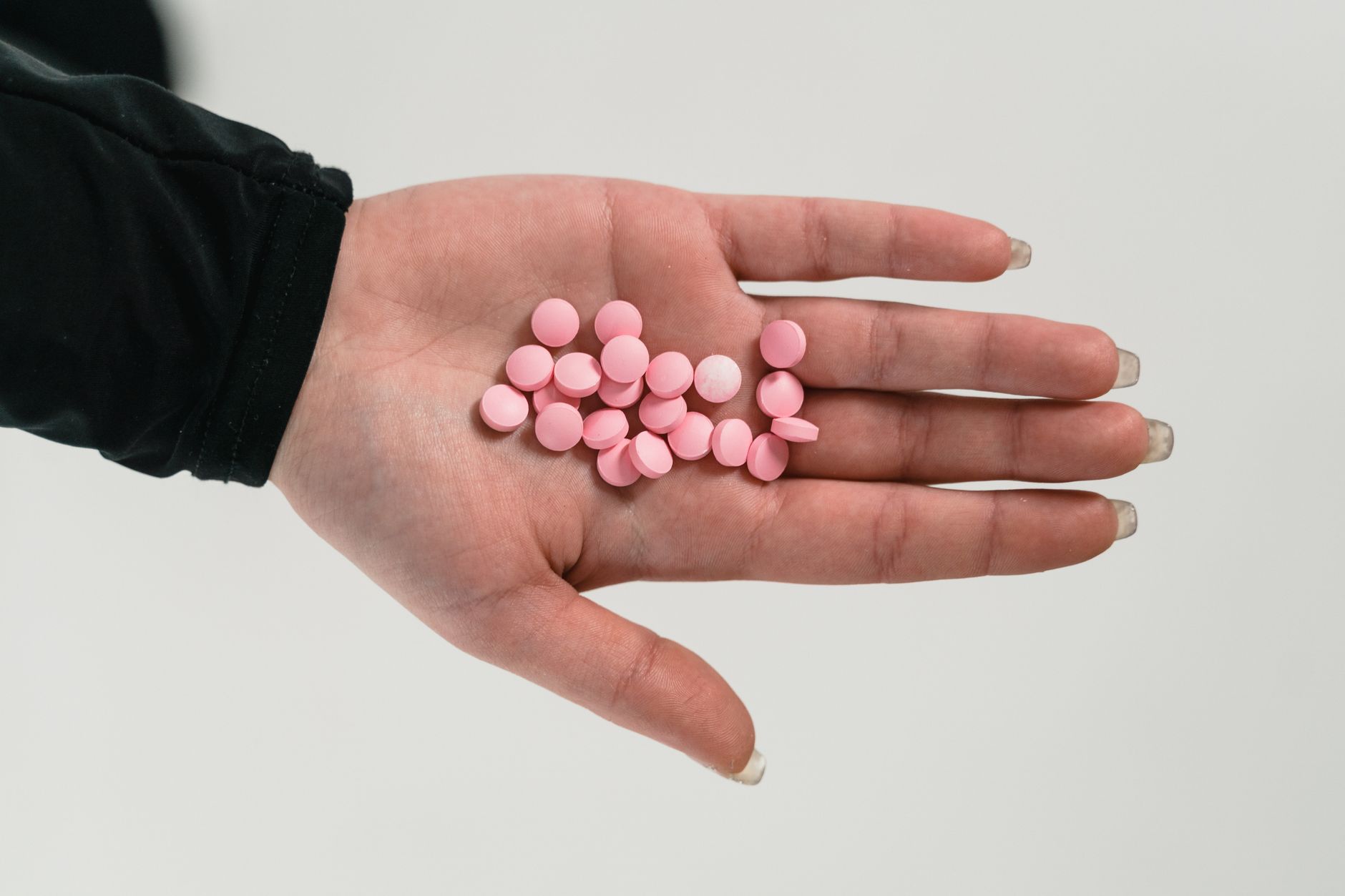
📚 Free Download: Understanding Addiction & Society
Deep dive into addiction science, societal factors, and the hidden realities of modern America
Download Free PDF Book
The Images That Shatter the American Dream
If you scroll through social media or watch documentaries about America’s major cities, you’ll see scenes that don’t match the glossy image of the world’s wealthiest superpower:
Philadelphia’s Kensington Avenue: Dozens of people bent over at unnatural angles, swaying like zombies. Needles littering sidewalks. Makeshift tents lining blocks. People openly injecting drugs in broad daylight.
San Francisco’s Tenderloin District: Stepping over unconscious bodies on the sidewalk. Human waste on streets. Open-air drug markets operating in view of tourists.
Vancouver’s Downtown Eastside: Entire neighborhoods transformed into open drug scenes. Emergency responders reviving overdose victims multiple times per day.
Los Angeles’ Skid Row: Tent cities stretching for blocks. Mental illness and addiction intertwined. People living in conditions you’d expect in a developing nation, not the richest country on Earth.
These aren’t isolated incidents. They’re symptoms of a crisis that has killed over 1 million Americans in the past two decades—more than all U.S. military combat deaths since World War II.
The question everyone outside America asks is: How is this possible in a superpower?
The question Americans trapped in addiction ask is: Where is the help?
This article will answer both questions with complete honesty—no propaganda, no sugarcoating, just the documented reality of North America’s drug crisis.
Part 1: The Numbers Don’t Lie—How Bad Is It Really?
The Official Statistics (And What They Don’t Tell You)
Drug Overdose Deaths in the United States:
- 2021: 106,699 deaths
- 2022: 107,941 deaths
- 2023: Approximately 112,000 deaths (CDC preliminary data)
- 2024: Estimated 110,000+ deaths
To put this in perspective:
- Every day, roughly 300 Americans die from drug overdoses
- That’s equivalent to a commercial airliner crashing every single day with no survivors
- More Americans have died from drug overdoses since 1999 (1 million+) than died in World War II, the Vietnam War, the Korean War, and the Iraq War combined
Current Addiction Estimates:
According to the National Institute on Drug Abuse (NIDA) and Substance Abuse and Mental Health Services Administration (SAMHSA):
- 48.7 million Americans (ages 12+) used illicit drugs in 2022
- Over 6 million Americans have an opioid use disorder
- Approximately 1.6 million Americans used heroin in the past year
- Over 9 million Americans misused prescription opioids
- Estimated 5.6 million Americans used methamphetamine in 2022
- Over 5 million Americans used cocaine
The Fentanyl Factor:
Fentanyl—a synthetic opioid 50-100 times more potent than morphine—is now involved in:
- Over 70% of all overdose deaths
- 88% of opioid-related deaths
- Even non-opioid drugs (cocaine, meth, counterfeit pills) are increasingly laced with fentanyl
What makes fentanyl so deadly:
- A dose the size of 10-15 grains of salt can be fatal
- Users often don’t know their drugs contain fentanyl
- It’s cheaper to produce than heroin, so dealers mix it into everything
- Tolerance develops rapidly, leading to escalating doses
The Canada Crisis (Yes, It’s Just as Bad)
Canada isn’t immune—in fact, per capita, it’s worse in some regions:
Canadian Overdose Deaths:
- 2021: 7,560 deaths (British Columbia alone: 2,272 deaths)
- 2022: Over 7,000 deaths nationally
- 2023: Approximately 7,500 deaths
- British Columbia: Has been in a declared public health emergency since 2016
British Columbia’s Downtown Eastside (Vancouver):
- One of the most concentrated drug markets in North America
- Estimated 5,000-8,000 active injection drug users in a few city blocks
- Multiple overdose reversals per person per day are common
- Supervised consumption sites perform hundreds of interventions daily
The Canadian government has tried:
- Decriminalization pilot programs
- Supervised consumption sites
- Free naloxone (overdose reversal drug) distribution
- Safe supply programs (providing pharmaceutical-grade opioids)
The results: Mixed. Overdoses haven’t decreased significantly, but deaths at supervised sites are nearly zero.
What the Statistics Don’t Capture
Numbers don’t show:
1. The ripple effects: For every person who dies, there are families destroyed, children orphaned, communities fractured.
2. The near-deaths: For every fatal overdose, there are dozens of non-fatal overdoses requiring emergency intervention.
3. The functional addicts: Millions of Americans are addicted but haven’t hit “rock bottom” yet—they’re your coworkers, neighbors, family members secretly struggling.
4. The cost: The CDC estimates the opioid crisis costs the U.S. economy $1.02 trillion annually in healthcare, lost productivity, criminal justice, and social services.
Part 2: How Did a Superpower Let This Happen?
The Perfect Storm: Five Factors That Created the Crisis
Factor 1: The Pharmaceutical Industry’s Greed
The Origin Story (1990s-2000s):
In the 1990s, pharmaceutical companies (primarily Purdue Pharma with OxyContin) convinced doctors that prescription opioids were safe and non-addictive.
What they did:
- Funded medical conferences promoting opioid use
- Paid doctors to prescribe more opioids
- Claimed the addiction risk was “less than 1%” (it wasn’t)
- Created aggressive marketing campaigns
- Lobbied medical boards to increase opioid prescribing
The result:
- Opioid prescriptions in the U.S. quadrupled from 1999 to 2010
- Millions of Americans became addicted through legal prescriptions
- When prescriptions got harder to obtain, people turned to heroin
- When heroin became expensive or scarce, fentanyl took over
The Sackler family (Purdue Pharma owners) made $13 billion from OxyContin while fueling the crisis. They eventually paid a settlement but faced no criminal charges.
Factor 2: Economic Despair in “Left Behind” Communities
The opioid crisis hit hardest in:
- Rust Belt manufacturing towns (jobs moved overseas)
- Rural Appalachia (coal industry collapsed)
- Indigenous communities (historical trauma + poverty)
- Post-industrial cities (economic decline)
Common characteristics:
- Declining economic opportunities
- Loss of community identity and purpose
- Lack of mental health resources
- “Deaths of despair” (suicide, alcohol, drugs) skyrocketing
Case Study: West Virginia
West Virginia has the highest overdose death rate in the U.S. (over 52 deaths per 100,000 people in 2023).
Why?
- Coal industry collapse left towns economically devastated
- Pharmaceutical companies flooded the state with pills (one town of 3,000 received 20 million opioid pills in 10 years)
- Limited treatment options (nearest addiction center might be hours away)
- Stigma prevents people from seeking help
Factor 3: The Mexican Cartel Supply Chain
As U.S. prescription opioids became harder to obtain (due to crackdowns), Mexican cartels filled the void.
The business model:
- Fentanyl is cheap to produce in clandestine labs (precursor chemicals from China)
- It’s 50-100x more potent than heroin, so transporting smaller amounts yields higher profits
- It can be pressed into pills resembling legitimate medications (Xanax, Percocet, Adderall)
- Users often don’t know they’re taking fentanyl
The supply route:
- Fentanyl and precursors smuggled from China to Mexico
- Mexican cartels (Sinaloa, CJNG) mass-produce fentanyl
- Drugs smuggled across U.S.-Mexico border
- Distributed through nationwide networks
Trump’s proposed solution: Military strikes on Mexican drug labs (as seen with Venezuela). Critics argue this won’t work—demand drives supply, and cartels adapt quickly.
Factor 4: Lack of Accessible, Affordable Treatment
The treatment gap:
- Over 40 million Americans need substance abuse treatment
- Only 4 million receive it
- Why the gap?
- Treatment is expensive ($5,000-$30,000+ for 30-90 day programs)
- Insurance often doesn’t cover it adequately
- Long waiting lists (sometimes months)
- Stigma prevents people from seeking help
- Rural areas have almost no treatment facilities
Medication-Assisted Treatment (MAT):
The gold standard for opioid addiction includes:
- Methadone: Reduces cravings and withdrawal (requires daily clinic visits)
- Buprenorphine (Suboxone): Can be prescribed by doctors
- Naltrexone: Blocks opioid effects
The problem: Access is limited, clinics are overwhelmed, and many people relapse because treatment ends too soon.
Factor 5: Criminalization Instead of Health Care
The War on Drugs approach (1970s-2020s):
- Treated addiction as a criminal problem, not a health problem
- Led to mass incarceration (especially of Black and Latino communities)
- People with addiction records can’t find jobs or housing, pushing them deeper into crisis
- Stigma around addiction prevents people from admitting they need help
What changed: Some states have shifted toward harm reduction:
- Needle exchange programs
- Naloxone (Narcan) distribution to reverse overdoses
- Supervised consumption sites (where people can use drugs safely with medical staff nearby)
Controversy: Critics say this “enables” drug use. Proponents argue dead people can’t recover—keeping them alive is step one.
Part 3: What the Street Scenes Actually Tell Us
Kensington Avenue, Philadelphia: America’s Largest Open-Air Drug Market
What you see:
- Hundreds of people visibly intoxicated, many bent over in the “fentanyl fold”
- Dealers openly selling drugs
- Needles everywhere
- Makeshift shelters under overpasses
- Overdoses happening in real-time
What this tells us:
1. Law enforcement has given up: Police are present but don’t arrest most users—they know jail doesn’t solve addiction, and courts are overwhelmed.
2. Treatment capacity is insufficient: Even if everyone there wanted help today, there aren’t enough beds, counselors, or programs.
3. Housing is the missing piece: Many people use drugs because they’re homeless (trauma, exposure, desperation), not just the reverse.
4. Mental illness and addiction are intertwined: Many people on the streets have dual diagnoses—schizophrenia + addiction, PTSD + addiction, etc.
Case Study: “Emily” (Composite of Real Stories)
Emily, 34, was prescribed opioids after a car accident at age 24. She became dependent. When her prescription ended, she bought pills on the street. When pills became too expensive, she switched to heroin. When heroin was cut with fentanyl, she overdosed three times. She lost her apartment, then her job. Now she lives in a tent in Kensington.
What help is available to Emily?
- Naloxone kits (overdose reversal)—outreach workers hand them out
- Needle exchange—reduces HIV/hepatitis transmission
- Mobile medical vans—provide basic healthcare
- Housing programs—but waiting lists are 6-18 months
- Treatment centers—nearest one with open beds is 50 miles away, requires cash payment
Emily wants help. The system can’t provide it fast enough.
San Francisco’s Tenderloin and Skid Row, Los Angeles: The Homelessness-Addiction Connection
What you see:
- Tent cities stretching for blocks
- People experiencing psychotic episodes
- Open drug use
- Lack of sanitation
What this tells us:
The homeless population has three overlapping groups:
- Economic homelessness: Lost jobs/housing due to rising costs (can potentially be housed quickly)
- Addiction-driven homelessness: Use drugs, can’t maintain housing (need treatment + housing)
- Mental illness homelessness: Severe psychiatric conditions, can’t function independently (need permanent supportive housing + treatment)
The mistake policymakers make: Treating all three groups the same.
What actually works:
- Housing First: Give people housing unconditionally, then provide services (proven more effective than requiring sobriety first)
- Intensive case management: Assigned counselors who build long-term relationships
- Integrated treatment: Address mental health + addiction + housing together
The problem: These programs are expensive and politically unpopular.
Vancouver’s Downtown Eastside: Canada’s Experiment
What Canada tried differently:
Supervised Consumption Sites (Insite, opened 2003):
- People bring their own drugs
- Use them in a medically supervised setting
- Nurses monitor for overdoses
- Staff provide clean needles, naloxone, and referrals to treatment
Results:
- Zero deaths at the facility despite 4,000+ overdose interventions
- Reduced public drug use in surrounding areas
- Connected hundreds of people to treatment
- But: Didn’t reduce overall overdose deaths citywide (people still use outside the facility)
Safe Supply Programs:
- Provide pharmaceutical-grade opioids to prevent fentanyl exposure
- Controversial—critics say it’s “giving people drugs”
- Proponents say it prevents death and keeps people stable
The honest assessment: These programs save lives but don’t cure addiction. They’re harm reduction, not solutions.

Part 4: Does the Government Provide Help?
Federal Programs (United States)
1. SAMHSA (Substance Abuse and Mental Health Services Administration)
What it does:
- Funds community treatment programs
- Operates a national helpline (1-800-662-4357)
- Provides grants for prevention and treatment
Budget (2024): Approximately $10.7 billion
The problem: This funds less than 10% of the actual need.
2. Medicaid Expansion
States that expanded Medicaid under the Affordable Care Act saw:
- Increased access to addiction treatment
- Reduced overdose deaths
But: 10 states still haven’t expanded Medicaid, leaving millions without coverage.
3. The SUPPORT Act (2018)
Provided $8 billion over two years for:
- Treatment programs
- Prevention education
- Law enforcement to combat trafficking
The reality: This was a down payment, not a solution. Overdose deaths continued rising.
State and Local Programs
Best practices (where they exist):
Massachusetts:
- Rapid access to treatment (no waiting lists)
- Medication-assisted treatment widely available
- Overdose deaths declining
Rhode Island:
- Medication-assisted treatment offered in jails and prisons
- Reduced overdose deaths by 50%+ among formerly incarcerated
But most states lack funding and political will.
What’s Available for Someone Seeking Help Today?
Let’s be honest about what someone struggling with opioid addiction faces:
Step 1: Admitting the problem
- Stigma is massive—admitting addiction risks losing job, custody of children, housing
Step 2: Seeking treatment
- Call a hotline or treatment center
- If insured: Maybe covered, maybe not—depends on plan
- If uninsured: Hope for a subsidized program (long waiting lists)
Step 3: Detox
- Opioid withdrawal is hellish but not fatal (unlike alcohol withdrawal)
- Medical detox is safest but expensive
- Many people try to detox alone and relapse due to cravings
Step 4: Treatment
- Inpatient rehab: $10,000-$30,000+ for 30 days (often not enough)
- Outpatient programs: Less expensive but require stable housing
- Medication-assisted treatment: Effective but requires ongoing access to prescribers
Step 5: Recovery
- Aftercare is critical: Counseling, support groups, sober living
- The gap: Most programs end too soon, and people relapse
Step 6: Relapse
- Over 40-60% of people relapse within the first year
- This doesn’t mean failure—addiction is a chronic disease requiring long-term management
- But many people die during relapse because tolerance decreases during sobriety
Part 5: The Reality vs. the “American Dream”
Why the World Is Confused
The perception:
- America is the richest, most powerful country on Earth
- American Dream: Anyone can succeed through hard work
- Hollywood image: Wealth, success, opportunity
The reality:
- 700,000+ Americans are homeless on any given night
- Over 100,000 Americans die from drug overdoses annually
- Life expectancy in the U.S. is declining (first time in modern history outside of pandemics or wars)
- The U.S. spends more on healthcare than any nation but has worse outcomes on many metrics
How is this possible in a superpower?
The Uncomfortable Truth
America is incredibly wealthy—but that wealth is concentrated.
Income inequality:
- The top 1% of Americans own 32% of the nation’s wealth
- The bottom 50% own just 2%
- The U.S. has the highest poverty rate among developed nations
Healthcare is expensive and inaccessible for millions:
- 27 million Americans have no health insurance
- Even insured Americans face high deductibles and copays
- Addiction treatment is often not covered or inadequately covered
Social safety net is weak compared to other developed nations:
- No universal healthcare
- Limited unemployment benefits
- Minimal affordable housing programs
- Underfunded mental health services
Political dysfunction:
- Partisan gridlock prevents major policy changes
- Powerful lobbying (pharmaceutical, private prison) blocks reform
- Stigma around addiction prevents compassionate policies
The result: America has immense resources but chooses not to allocate them toward solving this crisis.
Why Canada Faces the Same Crisis
Canada has universal healthcare—why didn’t that prevent this?
The reasons:
1. Healthcare doesn’t automatically mean addiction treatment: Many provinces underfund mental health and addiction services.
2. The fentanyl supply chain doesn’t respect borders: Cartels operate in Canada too.
3. Economic inequality exists in Canada: Vancouver’s housing costs are among the highest in the world, pushing people into homelessness.
4. Indigenous communities are disproportionately affected: Historical trauma from residential schools, systemic discrimination, and poverty create vulnerability.
Canada’s advantage: Less stigma around harm reduction, more willingness to try experimental programs (supervised consumption, safe supply).
Canada’s disadvantage: Still can’t stop the supply of fentanyl, and treatment capacity is insufficient.
Part 6: What Would Actually Fix This? (And Why It Won’t Happen)
Evidence-Based Solutions That Work
1. Universal Access to Treatment
What this means:
- Anyone who wants treatment can get it immediately, for free
- Medication-assisted treatment widely available
- Long-term care (not just 30 days)
Cost: Approximately $50-100 billion annually
Why it won’t happen: Political opposition to “spending money on addicts”
2. Housing First Programs
What this means:
- Provide permanent supportive housing to homeless individuals with addiction/mental illness
- No sobriety requirement
- Intensive case management included
Evidence: Proven to reduce costs (emergency room visits, jail) and improve outcomes
Why it won’t happen: Politically unpopular, NIMBYism (“Not In My Back Yard”)
3. Decriminalization + Harm Reduction
What this means:
- Possession of small amounts treated as health issue, not crime
- Supervised consumption sites
- Safe supply programs
- Needle exchanges
Evidence: Portugal decriminalized drugs in 2001—overdose deaths fell, HIV rates fell, drug use didn’t increase
Why it won’t happen: “Tough on crime” politics, fear it “sends the wrong message”
4. Addressing Root Causes
What this means:
- Economic investment in declining communities
- Universal healthcare including mental health
- Living wages and affordable housing
- Education and job training
Why it won’t happen: Too expensive, politically divisive
What’s Actually Being Done (Inadequate but Something)
Biden Administration Actions:
- Increased funding for treatment programs
- Expanded access to naloxone
- Crackdown on fentanyl trafficking
Trump’s Approach (Second Term):
- Military strikes on cartel operations (Venezuela model)
- Emphasis on border security and interdiction
- “Death penalty for drug dealers” rhetoric
The problem with supply-side solutions: As long as demand exists, supply will find a way. You can’t arrest or bomb your way out of an addiction crisis.
What works: Reducing demand through treatment, prevention, and addressing root causes.
Frequently Asked Questions (FAQ)
Q: How many Americans are currently addicted to drugs?
A: Over 48 million Americans (ages 12+) used illicit drugs in 2022. Approximately 6-7 million have opioid use disorder, millions more struggle with methamphetamine, cocaine, and other substances. The exact number is hard to determine because many people hide their addiction.
Q: Why is fentanyl so deadly compared to other opioids?
A: Fentanyl is 50-100 times more potent than morphine. A fatal dose is as small as 2 milligrams (the size of 10-15 grains of salt). Users often don’t know their drugs contain fentanyl, and even experienced users misjudge doses. It’s also frequently mixed into non-opioid drugs (cocaine, meth, counterfeit pills), killing people who didn’t intend to use opioids at all.
Q: What government help is available for someone struggling with addiction?
A: Available resources include:
- SAMHSA National Helpline: 1-800-662-4357 (free, confidential, 24/7)
- Medicaid coverage (in states that expanded it) for treatment
- State-funded treatment programs (often with waiting lists)
- Free naloxone programs to reverse overdoses
- Needle exchanges in some cities
- Veterans Affairs programs for veterans
The reality: Many people face waiting lists of weeks to months, high costs if uninsured, and limited availability in rural areas.
Q: Why doesn’t America just arrest all the drug dealers?
A: Supply-side enforcement has failed for 50+ years. When one dealer is arrested, another takes their place—economics 101. The War on Drugs spent over $1 trillion and incarcerated millions, but drug availability increased and prices decreased. Demand drives supply—until demand is reduced through treatment and prevention, supply will persist. Military strikes on cartels (like Operation Absolute Resolve in Venezuela) may disrupt supply temporarily but don’t address why Americans are using drugs.
Q: Is Canada’s approach (supervised consumption sites, safe supply) working?
A: Mixed results. Supervised consumption sites prevent deaths at the facility (Insite in Vancouver has had zero deaths despite thousands of overdoses reversed). They reduce public drug use and connect people to treatment. However, they don’t reduce overall community overdose deaths significantly because most use happens outside these sites. Safe supply programs are too new to fully evaluate. Harm reduction saves lives but doesn’t cure addiction—it’s one piece of a comprehensive solution.
Q: Why do people from around the world still want to move to America if it has these problems?
A: Perception vs. reality. For people in unstable or impoverished nations, America still offers:**
- Higher wages (even minimum wage exceeds incomes in many countries)
- Relative political stability
- Economic opportunities
- Better infrastructure
But: The American Dream is increasingly out of reach for working-class Americans, let alone immigrants. Rising costs (housing, healthcare, education) trap people in poverty. The drug crisis reflects economic despair in left-behind communities more than overall American quality of life.
Q: Is this crisis getting better or worse?
A: Worse, despite some interventions. Overdose deaths peaked at approximately 112,000 in 2023. Some regions have seen improvements (Massachusetts, Rhode Island) due to aggressive treatment expansion. But fentanyl’s spread continues, polysubstance use is increasing (mixing drugs), and xylazine (animal tranquilizer) is now appearing in drugs, making overdoses harder to reverse. Without major policy changes, experts predict 500,000-1 million more deaths over the next decade.
Q: What can an individual do to help?
A: Practical actions:
- Learn to use naloxone (Narcan) and carry it (available free in many areas)
- Reduce stigma: Treat addiction as a disease, not a moral failing
- Support harm reduction programs: Needle exchanges, supervised consumption sites
- Vote for politicians who prioritize treatment funding and harm reduction
- Volunteer at local organizations serving people experiencing homelessness or addiction
- Educate yourself and others: Share accurate information
What doesn’t help: Shaming people with addiction, opposing treatment facilities in your community, supporting punitive-only approaches.
Conclusion: The Superpower That Can’t (Or Won’t) Save Its Own People
The images from Kensington, the Tenderloin, Skid Row, and Vancouver’s Downtown Eastside aren’t signs of American failure—they’re signs of American choices.
America has the resources, knowledge, and technology to address this crisis. The evidence-based solutions exist:
✅ Universal treatment access ✅ Housing First programs ✅ Harm reduction (supervised consumption, naloxone, needle exchanges) ✅ Addressing economic despair in affected communities ✅ Treating addiction as a health issue, not a crime
But these solutions require:
❌ Significant government spending ❌ Challenging powerful pharmaceutical and private prison industries ❌ Overcoming stigma and “tough on crime” politics ❌ Long-term commitment beyond election cycles
So instead, America chooses:
- Band-aid solutions (modest treatment funding increases)
- Supply-side enforcement (which has failed for 50 years)
- Allowing people to die on the streets of the wealthiest nation on Earth
Canada, with universal healthcare and less stigma around harm reduction, fares only slightly better—because it faces the same fundamental problem: a crisis driven by economic despair, trauma, and a drug supply (fentanyl) so deadly that even experienced users can’t use it safely.
The uncomfortable truth: These aren’t problems America and Canada can’t solve. They’re problems these nations choose not to prioritize solving.
Over 100,000 Americans and 7,500 Canadians will die this year from overdoses. Each one is someone’s child, parent, sibling, or friend. Each death was preventable.
The street scenes that shock the world—people bent over, unconscious on sidewalks, living in tents—aren’t signs that America has fallen. They’re signs that America has decided these lives aren’t worth the cost of saving.
That’s the reality behind the superpower image. That’s what the pictures tell us.
📚 Want to Understand More?
Download our comprehensive guide to addiction, societal factors, and what can be done
Download Free PDF BookDisclaimer: This article presents evidence-based information about drug addiction and public health policy. Statistics are sourced from CDC, NIDA, SAMHSA, and Canadian government data. If you or someone you know is struggling with addiction, please call SAMHSA’s National Helpline: 1-800-662-4357 (free, confidential, 24/7).
📧 Get More Insights Like This
Join thousands of readers who receive evidence-based personal development tips directly in their inbox.
🌟 Start Your Transformation Today
Ready to take the next step in your personal development journey?
Learn More About Us Browse All Articles