Is it Possible to Live Beyond 100 Years in Today's World? If So, What Kind of Lifestyle is Required for That?
📚 Download the Complete Longevity Guide
Get instant access to our comprehensive PDF book on living beyond 100 years
⬇️ Download Free PDF Book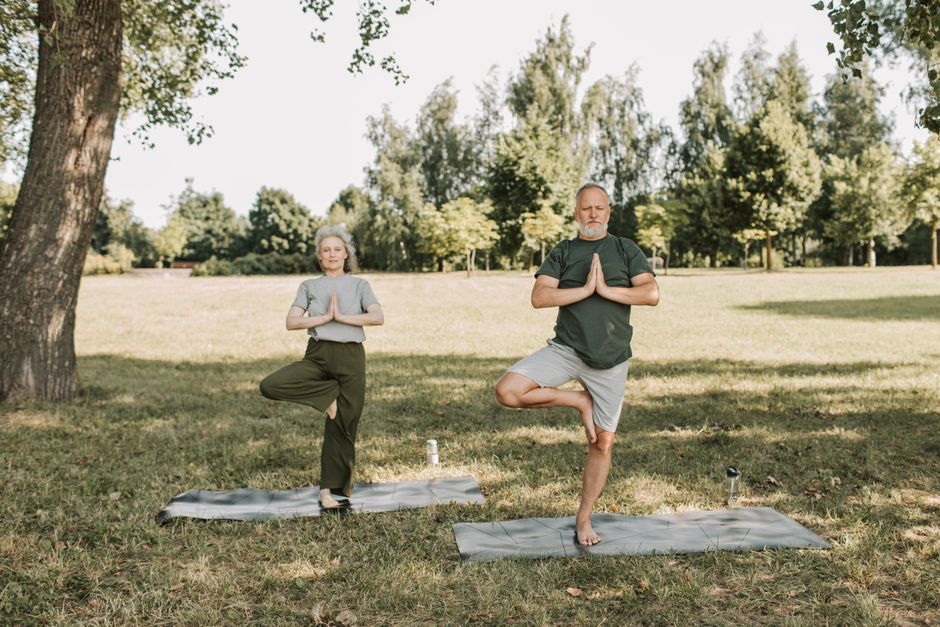
Introduction: The Century Question
I’ll be honest with you—when my grandmother turned 95 last spring, something shifted in how I viewed aging. She still tends her garden, argues politics with passion, and remembers stories from eight decades ago with crystal clarity. Watching her made me wonder: what separates those who merely survive into old age from those who truly thrive past 100?
The answer isn’t hidden in some secret elixir or expensive supplement. It’s woven into the fabric of daily choices, the rhythms of our routines, and the connections we nurture throughout our lives.
Today, living beyond 100 isn’t just possible—it’s becoming increasingly common. The number of centenarians worldwide has increased by 44% in just the last fifteen years. But here’s what matters more than the numbers: these aren’t people confined to nursing homes, counting their final days. Many are vibrant, engaged individuals who’ve cracked a code that eludes most of us.
Let me take you on a journey through what science, observation, and real human experience tell us about reaching—and thriving beyond—that magical century mark.
The Science Behind Living to 100
Before we dive into lifestyle strategies, let’s understand what happens in the bodies of those who live exceptionally long lives.
What Research Actually Shows
The Copenhagen City Heart Study, which followed over 20,000 people for decades, revealed something fascinating: only about 25% of how long you live is determined by your genes. The remaining 75%? That’s on you—your choices, your environment, your habits.
Dr. Thomas Perls, who leads the New England Centenarian Study, has been examining people over 100 since 1995. His team discovered that centenarians don’t just live longer—they compress illness into the final years of life. While most people spend 10-15 years managing chronic diseases, centenarians often remain relatively healthy until 90 or beyond, then experience a rapid decline.
Think of it this way: it’s not about adding years to your life dragging illness along with you. It’s about adding life to your years, then checking out relatively quickly when the time comes.
The Telomere Connection
Here’s something that blew my mind when I first learned it: at the ends of your chromosomes are protective caps called telomeres. Every time your cells divide, these caps get shorter. When they become too short, cells stop dividing and die.
Centenarians have something special—their telomeres shorten much more slowly than average. And here’s the kicker: while genetics play a role, lifestyle factors dramatically influence telomere length. Chronic stress, poor diet, and sedentary behavior accelerate shortening. Exercise, meditation, and strong social bonds slow it down.
Your daily choices are literally writing themselves into your DNA.
The Blue Zones: Nature’s Longevity Laboratory
If you want to understand longevity, you need to visit places where people forget to die. That’s not poetic exaggeration—it’s the reality in five regions worldwide where people routinely live past 100 with remarkable health.
The Five Blue Zones
Okinawa, Japan: On this subtropical island, women live longer than anywhere else on Earth. I spoke with a researcher who spent three years there, and she told me something that stuck: “They don’t retire to rest. They retire to a new purpose.”
Sardinia, Italy: In the mountainous interior, men reach 100 at rates ten times higher than in the United States. They walk rugged terrain daily, drink wine moderately, and maintain an ironic sense of humor about life’s difficulties.
Nicoya Peninsula, Costa Rica: Here, middle-aged mortality is remarkably low. Residents eat light dinners, maintain strong family connections, and have a concept called “plan de vida”—reason to live.
Icaria, Greece: On this island in the Aegean Sea, people have about 20% lower rates of cancer, 50% lower rates of heart disease, and almost no dementia. They take daily naps, drink herbal teas, and maintain a relaxed approach to time itself.
Loma Linda, California: This community of Seventh-day Adventists outlives average Americans by a decade. They observe a weekly 24-hour Sabbath, eat a plant-based diet, and prioritize community service.
What These Places Teach Us
The fascinating part? These regions share no genetic connection. They’re scattered across different continents, different climates, different cultures. Yet they’ve independently evolved strikingly similar lifestyle patterns.
Dan Buettner, who identified and named these Blue Zones, found nine common denominators. But rather than just list them, let me show you what they look like in real life.
The Longevity Lifestyle: Core Principles
1. Move Naturally—Not Obsessively
Here’s something that surprised me: centenarians don’t run marathons or spend hours in gyms. Instead, they’ve engineered movement into every aspect of daily life.
In Okinawa, traditional homes have no furniture—people sit and rise from the floor dozens of times daily. In Sardinia, shepherds walk five mountainous miles daily well into their 90s. In Nicoya, people hand-grind corn and chop wood.
What This Means for You:
You don’t need a gym membership or fancy equipment. You need to make movement unavoidable:
- Take stairs instead of elevators (yes, you’ve heard this before, but are you doing it?)
- Stand while taking phone calls
- Walk while thinking through problems
- Garden, which provides both movement and purpose
- Park farther away—turn inconvenience into advantage
Case Study: Martha, 102 years old from Loma Linda, told me she never “exercised” a day in her life. But she walked to the grocery store three times a week, tended a substantial vegetable garden, and volunteered at a food bank where she spent hours on her feet. At 102, she could still climb a ladder to pick oranges from her tree.
2. Eat Like Your Great-Grandmother
Before I share what centenarians eat, let me tell you what they don’t eat: processed foods, artificial ingredients, or anything that comes in a package with a cartoon character on it.
The 80% Rule (“Hara Hachi Bu” in Okinawa):
Stop eating when you’re 80% full. This simple principle creates a caloric restriction of 15-20% compared to typical Western eating—enough to trigger cellular repair mechanisms without feeling deprived.
The Plant Slant:
Centenarians eat meat, but rarely—an average of five times per month, and in portions the size of a deck of cards. Their plates are dominated by:
- Beans and legumes (the cornerstone of every centenarian diet)
- Whole grains, particularly those requiring minimal processing
- Vegetables in remarkable variety and abundance
- Nuts, consumed daily
- Olive oil (in Mediterranean zones)
What Surprised Me Most:
It’s not what they eat, but how they eat. Meals are social events, eaten slowly, with conversation and laughter. Food isn’t fuel—it’s communion.
Practical Application:
Try this for one month: Make beans the center of at least one meal daily. Black beans in Costa Rica, lentils in Sardinia, soybeans in Okinawa—these humble legumes provide protein, fiber, and complex carbohydrates without the health risks of meat.
One centenarian in Icaria told me through a translator: “I don’t eat to live, but I don’t live to eat either. Food is simply part of a good day.”
3. Downshift: The Lost Art of Stress Relief
Every centenarian culture has built-in mechanisms to shed daily stress. And here’s something crucial: they don’t wait for vacations to decompress. They do it daily.
How Different Cultures Downshift:
- Okinawans take a moment each day to remember ancestors
- Adventists pray
- Ikarians nap
- Sardinians have “happy hour” (yes, wine counts)
Chronic inflammation, driven by stress, underlies every major age-related disease—cancer, heart disease, Alzheimer’s. These daily rituals aren’t luxuries; they’re biological necessities.
Your Downshift Practice:
Find 15 minutes daily for something that actively relaxes you—not TV watching, which is passive, but meditation, prayer, tai chi, or simply sitting in nature. The specific activity matters less than the consistency and intention.
4. Purpose: The Reason to Wake Up
In Okinawa, they call it “ikigai.” In Nicoya, it’s “plan de vida.” Both translate roughly to “why I wake up in the morning.”
Research from Rush University Medical Center found that people with a sense of purpose were 2.4 times more likely to remain free of Alzheimer’s disease. Purpose affects mortality as much as smoking or drinking.
Case Study:
I met Stamatis Moraitis, who moved from Florida back to his native Icaria after being diagnosed with terminal lung cancer at age 66. Doctors gave him nine months. He decided to move home to be buried with his ancestors.
Thirty years later, at 96, he was cancer-free, tending his vineyard, drinking wine with friends. What happened? When I asked, he shrugged: “I just forgot to die. I was too busy.”
Finding Your Purpose:
This isn’t about discovering some grand mission. For many centenarians, purpose is simple:
- Being there for grandchildren
- Tending a garden
- Maintaining friendships
- Teaching a skill to younger generations
- Contributing to community
Ask yourself: If I weren’t here tomorrow, what would be lost? Who would miss me? What unique contribution do I make?
5. Belong: The Tribe Effect
Here’s perhaps the most powerful finding: the world’s longest-lived people belong to communities that support healthy behaviors.
Okinawans have “moais”—groups of five friends committed to each other for life. They meet regularly, support each other through difficulties, and share life’s joys. This built-in social network reduces stress and provides practical help.
Research from Brigham Young University found that lack of social connection is as damaging to health as smoking 15 cigarettes a day. Conversely, strong social ties increase your odds of survival by 50%.
The Faith Factor:
It doesn’t matter which faith or denomination—attending faith-based services four times a month adds 4-14 years to life expectancy. Why? Community, stress reduction, and built-in social support.
Your Action Step:
Identify or create your moai. It might be:
- A weekly dinner with friends
- A book club that actually discusses books
- A volunteer organization
- A faith community
- Even an online group, though face-to-face is more powerful
6. Loved Ones First
Centenarians put family first—both in proximity and priority. In most Blue Zones, multiple generations live under one roof or nearby.
This has reciprocal benefits: Children and grandchildren provide purpose and assistance to elders. Elders provide childcare, wisdom, and living examples of healthy aging.
The Partner Effect:
Having a life partner adds three years to life expectancy. But here’s what matters more than just having a partner: how you relate to them. Centenarians in long marriages speak of companionship, shared purpose, and mutual respect—not passion and romance (though those don’t hurt).
Modern Application:
You don’t need to move in with your parents or adult children (though it helps). You need to prioritize family time, maintain connections across generations, and invest in relationships before you need them.
The Environmental Factors Nobody Talks About
Beyond lifestyle choices, centenarians benefit from environmental conditions many of us lack.
Clean Air and Water
Every Blue Zone has relatively unpolluted air and access to clean water. While you can’t always control this, you can:
- Use air purifiers indoors
- Choose neighborhoods with green space
- Filter your water
- Spend time in nature regularly
Sun Exposure
Moderate sun exposure increases vitamin D production, which affects everything from bone health to immune function. Centenarians spend significant time outdoors but rarely sunbathe intentionally—they’re simply outside doing things.
Altitude
Several Blue Zones sit at moderate altitude (2,000-4,000 feet), which may trigger beneficial adaptive responses in the body. The thin air forces the cardiovascular system to work slightly harder, maintaining its fitness.
The Mental Game: Attitude and Outlook
I’ve saved perhaps the most important factor for last: how centenarians think about life, aging, and themselves.
Optimism Without Denial
Talk to centenarians and you’ll notice something: they’re not unrealistically positive, but they maintain hope even in difficulty. They acknowledge challenges without dwelling on them.
Research from Yale found that people with positive views on aging lived 7.5 years longer than those with negative views—a bigger impact than blood pressure, cholesterol, smoking, or exercise.
Acceptance and Adaptability
Centenarians don’t resist change; they adapt to it. When abilities decline, they adjust expectations rather than mourning lost capacities.
A 104-year-old in Sardinia told me: “I used to climb mountains. Then I climbed hills. Now I climb stairs. I’m still climbing.”
Humor and Playfulness
Almost every centenarian I’ve read about or met maintains a sense of humor. They laugh easily, tease gently, and don’t take themselves too seriously.
Laughter reduces stress hormones, increases immune cells, and releases endorphins. But more importantly, it’s a sign of psychological flexibility—the ability to find lightness even in heavy situations.
Creating Your Personal Longevity Plan
Understanding principles is one thing. Implementing them is another. Here’s how to start.
The 30-Day Reset
Don’t try to change everything at once. Instead, spend one month establishing a foundation:
Week 1: Movement
- Walk 20 minutes daily, no exceptions
- Stand for at least 2 hours throughout the day
- Take stairs whenever available
Week 2: Nutrition
- Add beans to one meal daily
- Increase vegetable portions
- Practice the 80% rule at dinner
Week 3: Connection
- Schedule time with friends or family
- Join a group aligned with your interests
- Reach out to someone you’ve lost touch with
Week 4: Purpose and Downshift
- Identify one activity that gives you meaning
- Establish a 15-minute daily downshift practice
- Define your “ikigai” in a sentence
Tracking What Matters
Don’t obsess over metrics, but occasionally check:
- Waist circumference (more important than weight)
- Blood pressure
- How you feel at the end of a typical day
- Quality of your relationships
The Environmental Audit
Look at your surroundings:
- Does your home encourage movement or sitting?
- Do you have places to gather with others?
- Is healthy food visible and accessible?
- Do you have spaces that encourage relaxation?
Small environmental changes create big behavioral impacts. Keep fruit on the counter. Hide the TV remote. Put walking shoes by the door.
Common Obstacles and How to Overcome Them
“I Don’t Have Time”
Centenarians don’t “make time” for longevity practices—they weave them into existing routines. Walk during phone calls. Practice downshifting during your commute. Garden instead of watching gardening shows.
The question isn’t whether you have time, but how you’re spending the time you have.
“My Family/Friends Don’t Support This”
You might be surprised. When you start making changes, you give others permission to do the same. Share what you’re learning. Cook for others. Invite them on walks.
And if they still don’t support you? Find your moai elsewhere.
“I Have Bad Genes”
Remember: 75% of longevity isn’t genetic. Even if your family has a history of heart disease, diabetes, or cancer, lifestyle changes can dramatically reduce your risk.
Think of genes as bullets in a gun. Lifestyle is what pulls the trigger—or keeps the safety on.
“I’m Already Old to Start”
Studies show that even people in their 70s and 80s gain significant benefits from lifestyle changes. Your body is remarkably capable of repair and adaptation at any age.
A 78-year-old who started the Mediterranean diet and daily walks reduced his heart disease risk by 30% within two years. His doctor called it a “biological age reversal.”
The Longevity Mindset: Beyond the Mechanics
As I’ve researched and reflected on longevity, I’ve realized something: the people who live exceptionally long lives aren’t following a protocol. They’re expressing values.
They move because they have places to go and people to see. They eat well because they respect their bodies. They maintain relationships because humans need humans. They have purpose because they’re engaged with life.
In other words, they’re not trying to avoid death. They’re trying to fully inhabit life.
There’s a paradox here: the more you focus on living well right now, the more likely you are to live well for a very long time. The more you obsess over longevity metrics and anti-aging protocols, the more you miss the point entirely.
Conclusion: Your Hundred-Year Blueprint
So, is it possible to live beyond 100 years in today’s world? Absolutely. Is it guaranteed? Of course not.
But here’s what I’ve learned: the lifestyle that gives you the best chance at reaching 100 is the same lifestyle that makes today, this week, this year richer and more meaningful.
Move in ways that feel good. Eat food that nourishes both body and soul. Build relationships that sustain you. Find work or activities that give life meaning. Create rituals that bring peace.
Do these things not because you want to live to 100, but because they make life worth living right now.
And if you happen to look up one day and realize you’ve been on this planet for a century? Well, that’s just a bonus.
My grandmother, now 95 and counting, put it best: “I never tried to live forever. I just tried to live well today. Turns out, I’ve had a lot of todays.”
May you have many, many todays ahead—each one lived with intention, connection, and joy.
📖 Take This Guide With You
Download the complete PDF book and start your journey to exceptional longevity today
📥 Get Your Free PDF Book NowBy Muneer Shah | Copyright © 2025
Additional Resources
Recommended Reading:
- “The Blue Zones” by Dan Buettner
- “Lifespan” by David Sinclair
- “The Longevity Paradox” by Steven Gundry
Connect With Us:
- Website: www.positivelifes.com
- Email: contact@positivelifes.com
- Phone: +91 8308238756
Medical Disclaimer: This article is for educational and informational purposes only and should not be considered medical advice. Always consult with qualified healthcare professionals before making significant changes to your diet, exercise routine, or lifestyle, especially if you have existing health conditions or concerns.
Copyright Notice: Copyright © 2025 by Muneer Shah. All rights reserved. No part of this publication may be reproduced, distributed, or transmitted in any form or by any means without the prior written permission of the author.
📧 Get More Insights Like This
Join thousands of readers who receive evidence-based personal development tips directly in their inbox.
🌟 Start Your Transformation Today
Ready to take the next step in your personal development journey?
Learn More About Us Browse All Articles