How to Stay Young: Science-Backed Anti-Aging Strategies
Introduction: Staying Youthful, Not Freezing Time
The question of remaining young throughout life is often misunderstood. It’s not about halting the natural aging process or defying the passage of time. Rather, it’s about maintaining youthfulness—preserving energy, vitality, clarity, and resilience as the years pass. Staying youthful means keeping your body strong, your mind sharp, and your spirit vibrant, regardless of your chronological age.
The good news is that aging is not entirely predetermined by your genes. Your choices matter far more than most people realize. By understanding what drives aging and taking deliberate action, you can significantly influence how you age and enjoy a more youthful quality of life for decades to come.
Understanding Aging: Chronological vs. Biological
There’s an important distinction between two types of aging. Chronological age is simply the number of years you’ve lived—it’s fixed and moves forward regardless of what you do. Biological age, however, is determined by your cells, tissues, and organs’ actual condition.
Two people at the same chronological age can have vastly different biological ages. Someone who exercises regularly, eats well, and manages stress may have a biological age years younger than their birth certificate suggests. Conversely, someone with poor lifestyle habits may biologically age faster than their years.
The exciting truth is that you have direct influence over your biological age through daily choices.
What Accelerates Aging?
Before we discuss prevention, it’s crucial to understand what speeds up the aging process. Chronic inflammation is one of the primary drivers of aging and disease. Poor diet, sedentary lifestyles, chronic stress, sleep deprivation, and exposure to toxins all trigger inflammatory responses in the body.
Oxidative stress—caused by free radicals that damage cells—also accelerates aging. Environmental pollution, excessive sun exposure, smoking, and poor nutrition contribute to oxidative damage. Additionally, emotional stress creates physiological changes that literally age us faster at the cellular level.
Understanding these factors empowers you to reverse course through targeted interventions.
Strategies to Slow Aging
Nourish with an Anti-Aging Diet
A healthy diet is your most powerful anti-aging tool. Focus on foods rich in antioxidants—berries, leafy greens, nuts, and dark chocolate—which neutralize aging free radicals. Include anti-inflammatory foods like fatty fish (omega-3s), olive oil, turmeric, and ginger.
Avoid excessive sugar, processed foods, and unhealthy fats, which accelerate inflammation and aging. Hydration matters too—adequate water intake maintains skin elasticity and supports cellular function.
Move Your Body Regularly
Regular exercise is a fountain of youth. Physical activity preserves muscle mass, maintains cardiovascular health, improves bone density, and boosts mood. Even moderate exercise—30 minutes most days—can significantly impact your biological age.
Strength training is particularly important, as it combats age-related muscle loss. Don’t underestimate the power of movement for keeping your body young.
Prioritize Quality Sleep
Sleep is when your body repairs itself. During deep sleep, your body produces growth hormone, repairs cellular damage, and consolidates memories. Chronic sleep deprivation accelerates aging across every system.
Aim for 7-9 hours nightly. Maintain a consistent sleep schedule and create a sleep-friendly environment.
Master Stress Management
Chronic stress literally ages you. It triggers inflammation, weakens immunity, and damages DNA. Meditation, deep breathing exercises, yoga, or simply spending time in nature can significantly reduce stress levels and slow biological aging.
Build Strong Social Connections
Don’t underestimate the power of relationships. Social connections are linked to longevity and cognitive health. Meaningful relationships reduce stress, boost immunity, and provide purpose—all anti-aging factors.
Keep Your Mind Sharp
Mental stimulation preserves cognitive function. Learning new skills, solving puzzles, reading, and engaging in intellectual conversations keep your brain young. The brain continues growing throughout life when challenged.
Protect Your Skin
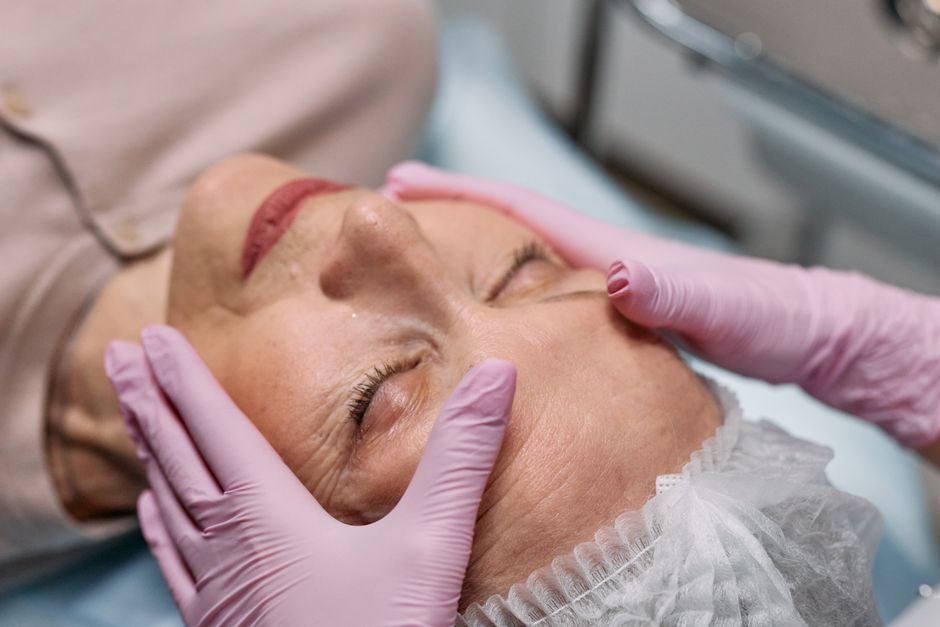
UV damage is one of the few preventable causes of premature aging. Use sunscreen consistently, wear protective clothing, and avoid excessive sun exposure. Your skin will thank you with fewer wrinkles and improved health.
Avoid Toxins
Smoking and excessive alcohol directly accelerate aging. Both create oxidative stress, damage cells, and promote inflammation. Avoiding these toxins is one of the most direct ways to stay biologically younger.

Cellular Aging and Telomeres
At the molecular level, aging involves telomeres—protective caps on your DNA strands that shorten with each cell division. When telomeres become too short, cells stop dividing, contributing to aging.
Interestingly, lifestyle factors directly influence telomere length. Exercise, healthy diet, stress management, and quality sleep all help preserve telomeres, essentially protecting your cells from premature aging.
Genetics vs. Lifestyle: You Have More Control Than You Think
Many people assume aging is determined by genes. While genetics do play a role, research suggests that lifestyle accounts for approximately 80% of how you age. Your genes load the gun, but your lifestyle pulls the trigger.
This is empowering: you can’t change your parents, but you can change what you eat, how much you move, how well you sleep, and how you manage stress.
Setting Realistic Expectations
Remaining young throughout life doesn’t mean looking 25 forever or having unlimited energy. It means aging in the healthiest way possible and maintaining functionality and vitality as you get older.
Accept that aging is natural. Some changes are inevitable. The goal is to age gracefully while maximizing your health and quality of life.
Focus on Healthspan, Not Just Lifespan
The most important metric isn’t how long you live—it’s how well you live. Healthspan refers to the number of years you remain healthy, active, and free from disease.
A long life spent in poor health is less valuable than a moderately long life filled with vitality and joy. By adopting these strategies, you’re not just potentially adding years to your life; you’re adding life to your years.
The path to remaining young throughout life is clear: nourish your body, move regularly, sleep well, manage stress, cultivate relationships, and engage your mind. These investments in yourself today determine not just how long you live, but how young you feel and how fully you experience life.
📧 Get More Insights Like This
Join thousands of readers who receive evidence-based personal development tips directly in their inbox.
🌟 Start Your Transformation Today
Ready to take the next step in your personal development journey?
Learn More About Us Browse All Articles