THE MOTIVATION MOLECULE Understanding Dopamine and How
The Chemical Secret Behind Your Motivation
Ever wonder why you can scroll social media for hours but struggle to start that important project? Or why some days you’re unstoppable while others you can barely get out of bed?
The answer lies in a single molecule that controls your drive, desire, and determination: dopamine.
This powerful neurotransmitter is responsible for every goal you pursue, every reward you seek, and every habit you form. But in our modern world, dopamine has become both our greatest asset and our biggest vulnerability. Understanding how it works isn’t just fascinating neuroscience—it’s the key to reclaiming your motivation and living with purpose.
In this guide, you’ll discover:
- Why dopamine is the motivation molecule, not just the “happiness chemical”
- How modern technology hijacks your dopamine system
- The real difference between healthy and unhealthy dopamine sources
- A 5-step action plan to optimize your dopamine naturally
Why Understanding Dopamine Matters More Than Ever
We’re living through a dopamine crisis, and most people don’t even realize it.
Your brain’s reward system evolved over millions of years to help your ancestors survive—pushing them to hunt for food and achieve goals that ensured survival. Dopamine was the chemical messenger that said, “This is important. Keep going.”
But today’s world has changed faster than your brain can adapt.
Every notification, every like on social media, every bite of processed food has been engineered to trigger dopamine spikes far beyond what nature intended. Tech companies employ neuroscientists to make their apps as addictive as possible. Fast food manufacturers carefully calibrate salt, sugar, and fat ratios to maximize dopamine release.
The result? Your dopamine system is being hijacked.
Here’s the hidden challenge: When you constantly flood your brain with artificial dopamine spikes, your baseline drops. You need more and more stimulation to feel normal. This is why you feel unmotivated, why you procrastinate, and why simple tasks feel impossibly hard.
Many people believe dopamine is just about happiness or pleasure—that’s a myth. Dopamine is actually about wanting, seeking, and anticipating. It’s the feeling before the reward, not the reward itself. And when you understand this distinction, everything changes.
The real impact of dysregulated dopamine includes chronic procrastination, difficulty concentrating, increased anxiety, lack of motivation for meaningful work, and dependency on cheap thrills just to feel normal. But the good news? You can reset your system.
Understanding the Motivation Molecule
What exactly is dopamine?
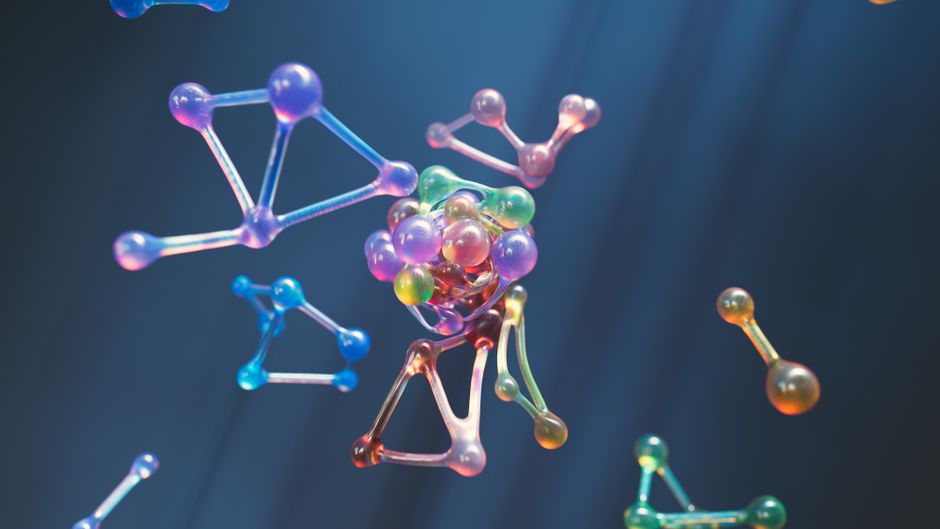
Dopamine is a neurotransmitter—a chemical messenger in your brain that helps neurons communicate. But calling it just a “feel-good chemical” misses the point entirely. Dopamine is the molecule of motivation, anticipation, and drive.
Think of dopamine as your brain’s way of saying, “This matters. Pay attention. Take action.”
The Anticipation vs. Reward Principle
Here’s where it gets interesting: dopamine spikes hardest during anticipation, not achievement.
Studies show that dopamine levels surge when anticipating a reward—not when receiving it. You feel more excited scrolling for the perfect purchase than when it arrives. You get more pumped thinking about your vacation than during it.
This is why anticipation can be more powerful than the reward itself. Your brain releases dopamine when you’re pursuing something. Once you achieve it? The dopamine drops. This is why goal-achievers often feel empty after success—they’ve been chasing dopamine, not fulfillment.
How Dopamine and Addiction Work
Every addictive substance or behavior floods your brain with dopamine far beyond natural levels. Cocaine can increase dopamine by 300%. But even non-drug addictions like social media, gambling, and video games spike dopamine in ways that reshape your brain’s reward circuitry.
Your brain adapts through downregulation. When repeatedly exposed to high dopamine levels, your brain reduces receptors to compensate. This means you need more stimulus for the same effect—the very definition of tolerance and addiction.
Modern Dopamine Traps
Our world is filled with supernormal stimuli—things that trigger stronger reactions than anything found in nature:
- Social media: Designed with infinite scroll, variable rewards, and social validation
- Processed foods: Engineered combinations of sugar, salt, and fat that don’t exist naturally
- Video games: Constant rewards, level-ups, and achievements
- Pornography: Visual stimulation far beyond evolutionary norms
- Online shopping: Easy access to novelty and the thrill of acquisition
These aren’t inherently evil, but they’re designed to be more stimulating than anything your ancestors encountered. Your dopamine system simply wasn’t built for this level of stimulation.
Healthy vs. Unhealthy Dopamine Sources
Not all dopamine is created equal.
Unhealthy sources provide quick spikes followed by crashes: junk food, social media binges, binge-watching, impulse shopping, endless phone scrolling.
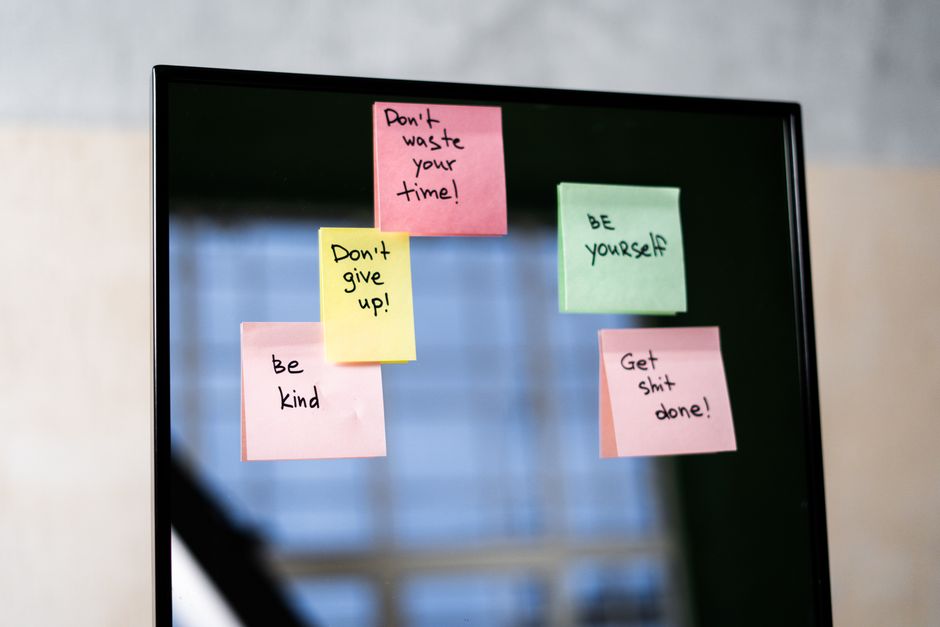
Healthy sources provide steady, sustainable dopamine: exercise, learning new skills, working toward meaningful goals, creating something, deep conversations, achieving small daily wins.
The difference? Healthy sources require effort and build delayed gratification capacity. Unhealthy sources are effortless and train your brain to expect instant rewards.
Your 5-Step Action Plan for Healthy Dopamine
Ready to take control of your motivation system? Here’s your roadmap to optimizing dopamine naturally.
Step 1: Dopamine Detox from Overstimulation
Start with a strategic withdrawal from your biggest dopamine traps. This doesn’t mean eliminating everything fun—it means creating space for your baseline to reset.
Choose one high-stimulus activity and remove it for 30 days. For most people, this means social media, streaming services, video games, or junk food. Pick whichever feels hardest to give up—that’s your biggest lever.
You’ll likely feel bored or restless at first. That’s normal. The boredom is not a problem—it’s the solution. When your brain stops expecting constant stimulation, normal activities become interesting again.
Step 2: Exercise for Natural Dopamine
Physical activity is one of the most powerful dopamine boosters available. Exercise increases dopamine production and receptor density, meaning you produce more and use it more efficiently.
The key is consistency. Daily movement, even if brief, trains your brain to associate effort with reward. Start every morning with 10 minutes of movement—walk, stretch, or do jumping jacks before checking your phone.
Step 3: Set and Achieve Small Goals
Remember: dopamine is released during pursuit, especially when there’s a clear goal and uncertainty about achieving it.
Break your big goals into tiny, achievable steps. Instead of “write a book,” aim for “write for 15 minutes.” Instead of “get fit,” aim for “do 10 pushups.”
Each small win triggers dopamine and builds momentum. This is how you train your brain to associate effort with reward. Over time, your capacity for sustained effort grows.
Use the two-minute rule: make your goal so small it takes less than two minutes to start. The hardest part is beginning—once you start, dopamine helps you continue.
Step 4: Cold Exposure for Dopamine Boost
Brief cold exposure can increase dopamine by up to 250% for several hours. Start your shower warm, then finish with 30 seconds of cold water. Gradually work up to 1-2 minutes as you adapt.
Cold exposure is a mild stressor that triggers dopamine release without the crash. Plus, voluntarily doing something difficult strengthens your discipline and stress resilience.
Step 5: Prioritize Quality Sleep and Morning Sunlight
Your dopamine system depends on proper sleep and circadian rhythms. Sleep deprivation reduces dopamine receptor availability, making you less motivated and more dependent on stimulation. Aim for 7-9 hours of consistent sleep at similar times daily.
Get sunlight exposure within the first hour of waking. Morning light sets your circadian rhythm and optimizes dopamine production. Just 10 minutes of outdoor morning light can dramatically improve your energy, motivation, and mood.
Common Challenges and Questions
“Is dopamine fasting really a thing?”
Sort of. The term “dopamine fasting” is technically a misnomer—you can’t actually fast from dopamine since your brain constantly produces it. But the concept of temporarily reducing high-stimulation activities to reset your reward system is valid.
Think of it as stimulus fasting rather than dopamine fasting. The goal is letting your baseline dopamine sensitivity recover by avoiding supernormal stimuli for a period.
“I’m completely addicted to my phone. How do I break free?”
Start small and use friction. Add barriers: turn off notifications, put your phone in another room while working, use grayscale mode, or set app time limits.
Replace the behavior rather than just removing it. When you feel the urge to check your phone, do 10 pushups, take three deep breaths, or drink water. Give your brain an alternative action.
“I have zero motivation. Is something wrong with my dopamine?”
Possibly, but chronic low motivation can have many causes: depression, burnout, poor sleep, nutritional deficiencies, or simply being stuck in a low-dopamine lifestyle.
If you’ve been relying heavily on high-stimulation activities and suddenly feel unmotivated for everything else, that’s a clear sign your dopamine system needs recalibration. Try the 5-step plan above for 30 days.
If motivation doesn’t improve after making lifestyle changes, consider talking to a healthcare provider. Some medical conditions affect dopamine production.
“How long does it take to reset dopamine levels?”
Most people notice improvements within 14-30 days of reducing high-stimulation activities and implementing healthy dopamine habits. Your brain is remarkably plastic—it can heal and adapt. The first two weeks are hardest, then it gets progressively easier as your baseline resets.
Your Complete Dopamine Mastery Guide
This blog post covers the fundamentals, but there’s so much more to understand about how dopamine shapes your life.
Inside the complete PDF guide, you’ll discover:
- The full science of how dopamine is made and regulated
- Detailed exploration of dopamine pathways and their functions
- Advanced strategies for optimizing your dopamine system long-term
- What happens when dopamine malfunctions and how to recognize it
- The role of dopamine in modern challenges like technology addiction
- A complete framework for living with purpose through dopamine mastery
This guide is perfect for:
- Anyone struggling with chronic procrastination or low motivation
- People wanting to understand the neuroscience behind their behavior
- Those working to break free from addictive patterns
- Anyone seeking to optimize their brain chemistry naturally
You’ll gain deep insights into the chemistry that drives your desires and practical wisdom for optimizing this crucial system.
View your book free download PDF
Take Control of Your Motivation
Understanding dopamine isn’t just neuroscience trivia—it’s about reclaiming agency over your attention, actions, and life.
Every time you choose a challenging workout over scrolling, every time you pursue a meaningful goal instead of cheap entertainment, you’re rewiring your brain. You’re training your dopamine system to value what truly matters.
Your brain is yours to optimize. Pick one step from the action plan and commit to it for the next 30 days. Watch how your motivation, focus, and sense of purpose begin to shift.
The drive within you isn’t broken—it’s just been misdirected. Now you have the knowledge to channel it toward the life you actually want.
What’s one dopamine trap you’re ready to eliminate this week?
📧 Get More Insights Like This
Join thousands of readers who receive evidence-based personal development tips directly in their inbox.
🌟 Start Your Transformation Today
Ready to take the next step in your personal development journey?
Learn More About Us Browse All Articles