DNA and Genes
Introduction
DNA and genes are the fundamental blueprints of life itself. They carry the complete instructions for building and maintaining every living organism on Earth. Understanding how DNA and genes work together helps us comprehend our biology, health, and the remarkable diversity of life around us. This comprehensive guide explores the structure, function, and significance of these molecular molecules that define who we are.
What is DNA?
DNA (Deoxyribonucleic Acid) is the hereditary material found in virtually all living organisms. It serves as an instruction manual for the growth, development, reproduction, and functioning of all life forms.
The Double Helix Structure
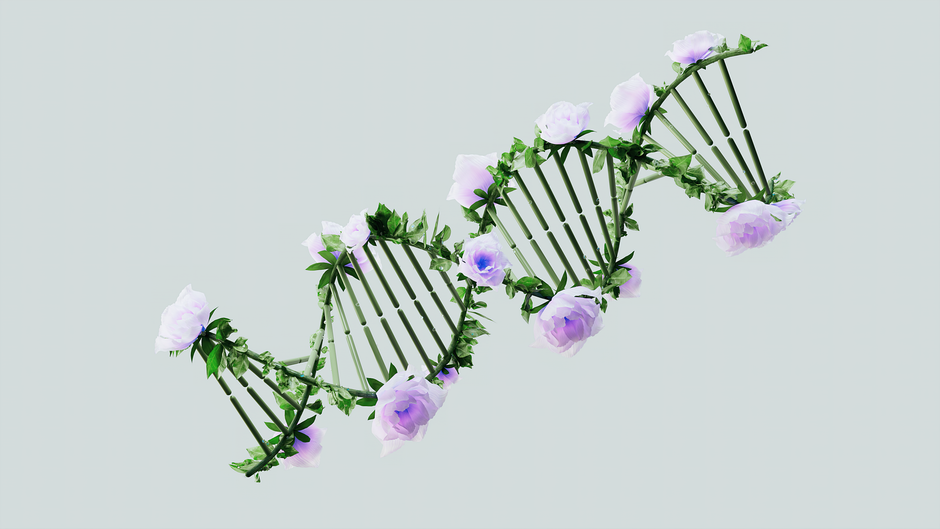
DNA has a distinctive structure called the double helix, famously discovered by Watson and Crick in 1953. Imagine a twisted ladder: the sides are made of a sugar-phosphate backbone, while the rungs are made of base pairs. This elegant structure allows DNA to store vast amounts of genetic information in a compact form.
Base Pairs and Chemical Composition
DNA is composed of repeating units called nucleotides, each containing three components: a phosphate group, a deoxyribose sugar, and a nitrogenous base. There are four bases: Adenine (A), Thymine (T), Cytosine (C), and Guanine (G). These bases pair in a specific way: adenine always pairs with thymine through two hydrogen bonds, while cytosine always pairs with guanine through three hydrogen bonds. This pairing rule, called complementary base pairing, is crucial for DNA replication and accuracy.
DNA Location and Size
DNA is found primarily in the cell nucleus (nuclear DNA) and also in mitochondria (mitochondrial DNA). The human genome contains approximately 3 billion base pairs distributed across 46 chromosomes in each cell. This enormous amount of genetic information is tightly packaged into microscopic chromosomes through coiling around proteins called histones.
What are Genes?
A gene is a specific segment of DNA that contains the instructions for making a particular protein—the molecules that perform most functions in our bodies. Genes are the basic units of heredity and form the foundation of inheritance.
Gene Organization
Humans have approximately 20,000 to 25,000 genes distributed across 23 pairs of chromosomes (46 total). Twenty-two pairs are autosomes (non-sex chromosomes), and one pair determines biological sex: XX for females and XY for males. Not all genes are the same—some code for structural proteins, others regulate gene expression, while still others produce RNA molecules with specialized functions.
How DNA and Genes Work Together
The process of converting genetic information into proteins involves two fundamental steps: transcription and translation.
Transcription
In the nucleus, an enzyme called RNA polymerase reads a gene’s DNA sequence and creates a complementary copy called messenger RNA (mRNA). This mRNA serves as a temporary copy of the genetic instructions that can be transported out of the nucleus to the cytoplasm.
Translation and Protein Synthesis
In the cytoplasm, ribosomes read the mRNA sequence and decode it into a chain of amino acids—the building blocks of proteins. This process is called protein synthesis. Through this elegant system, the information stored in DNA ultimately becomes functional proteins that enable all life processes.
Inheritance and Genetic Variation
Each person inherits genetic material from both parents, receiving half of their chromosomes from each parent. This genetic variation is what makes each person unique (except identical twins). Some dominant genes are expressed even when you inherit just one copy, while recessive genes are only expressed when you inherit two copies—one from each parent. This inheritance pattern explains how traits pass through families and why siblings can have different characteristics even when they share the same parents.

Genetic Mutations
Mutations are changes in the DNA sequence that can occur naturally or due to environmental factors like radiation, chemicals, or viruses. Understanding mutations is essential to comprehending genetic diversity and disease:
Point mutations involve changes in a single nucleotide. For example, sickle cell anemia results from a point mutation that changes the structure of hemoglobin, affecting how red blood cells carry oxygen.
Insertion and deletion mutations occur when base pairs are added or removed from the DNA sequence. Cystic fibrosis is caused by this type of mutation, affecting the protein responsible for regulating salt and fluid balance in the body.
Chromosomal mutations involve structural changes affecting entire chromosomes. Down syndrome, also called trisomy 21, occurs when an individual has three copies of chromosome 21 instead of the usual two.
While some mutations are harmful, others are harmless or even beneficial, contributing to the natural variation we see in populations and driving evolution.
DNA and Health
Understanding genetics has revolutionized modern medicine and healthcare. Genetic diseases result from mutations that cause protein dysfunction. Conditions like hemophilia, muscular dystrophy, and certain cancers have genetic components.
Genetic testing can now identify whether someone carries mutations associated with certain conditions, enabling early intervention and prevention strategies. Knowing your genetic predisposition allows you to make informed lifestyle choices and seek appropriate medical monitoring.
Personalized medicine uses an individual’s genetic profile to tailor treatments and predict health risks. This approach makes healthcare more precise and effective, allowing doctors to prescribe medications and therapies specifically suited to a person’s genetic makeup.
Epigenetics: How Lifestyle Shapes Gene Expression
Remarkably, your genes aren’t your destiny. Epigenetics is the study of how environmental factors—diet, exercise, stress, and sleep—can change which genes are expressed without altering the DNA sequence itself. Through mechanisms like DNA methylation and histone modification, your lifestyle choices literally turn genes on and off.
This means that maintaining healthy habits can positively influence your genetic expression throughout your life. Regular exercise, a balanced diet, adequate sleep, and stress management can all enhance the expression of beneficial genes while suppressing harmful ones.
The Future of Genetics
The field of genetics continues to advance rapidly with groundbreaking technologies. CRISPR gene editing technology allows scientists to precisely modify DNA sequences with unprecedented accuracy, potentially curing genetic diseases at their source. This revolutionary technique is already being tested for treating conditions like sickle cell anemia and certain inherited blindness disorders.
Gene therapy is emerging as a treatment that corrects defective genes responsible for hereditary conditions. Rather than managing symptoms, gene therapy addresses the root cause of genetic diseases. These innovations promise to transform medicine and eliminate many genetic disorders in coming decades, offering hope to millions worldwide.
Frequently Asked Questions (FAQ)
Q: How many genes and chromosomes does a human actually have?
A: Humans have approximately 20,000 to 25,000 genes distributed across 23 pairs of chromosomes (46 total), including 22 pairs of autosomes and one pair of sex chromosomes.
Q: Can lifestyle choices change my genes without altering my DNA sequence?
A: Yes, through epigenetics—mechanisms like DNA methylation and histone modification let diet, exercise, sleep, and stress turn genes on or off without changing the underlying DNA sequence itself.
Q: What’s the difference between a point mutation and a chromosomal mutation?
A: A point mutation changes a single nucleotide, as seen in sickle cell anemia, while a chromosomal mutation involves structural changes to entire chromosomes, such as the extra copy of chromosome 21 that causes Down syndrome.
Conclusion
DNA’s double-helix structure and the genes encoded within it provide the instructions—via transcription and translation—for building every protein in the body, while inheritance patterns and mutations explain both human diversity and genetic disease. Emerging fields like epigenetics and technologies like CRISPR gene editing show that genes are not fixed destiny, and ongoing advances in genetic testing and personalized medicine are transforming how we understand and treat hereditary conditions. ***
Disclaimer: This article is for informational purposes only. Please consult with a qualified healthcare provider for medical advice.
📧 Get More Insights Like This
Join thousands of readers who receive evidence-based personal development tips directly in their inbox.
🌟 Start Your Transformation Today
Ready to take the next step in your personal development journey?
Learn More About Us Browse All Articles