
Citizenship by Investment: Complete Guide to Citizenship in America
Gaining citizenship in Europe, the United States, or Canada typically involves legal residency, time lived in the country, language proficiency, integration, and sometimes financial independence. Below is a detailed, country-by-country overview for the U.S., Canada, and several key European countries.
🇺🇸 UNITED STATES – Citizenship by Naturalization
Eligibility Criteria:
Lawful Permanent Residence (Green Card): Must have had a green card for 5 years (or 3 years if married to a U.S. citizen). Continuous Residence: Lived in the U.S. for at least 30 months out of the last 5 years (or 18 months out of 3 years if married). Physical Presence: Must be physically present in the U.S. for at least half of the required period. Good Moral Character: No serious criminal record or immigration fraud. English Proficiency: Ability to read, write, and speak basic English. Civics Test: Knowledge of U.S. history and government. Oath of Allegiance: Must pledge allegiance to the U.S.
Special Routes:
Military Service Children of U.S. citizens born abroad Asylees and refugees (can count time as asylee/refugee toward the residency requirement) 🇨🇦 CANADA – Citizenship by Naturalization
Eligibility Criteria:
Permanent Residency: Must be a permanent resident. Physical Presence: Lived in Canada for 1,095 days (3 years) in the last 5 years. Tax Filing: Filed taxes for at least 3 years during the qualifying period. Language Proficiency: English or French at CLB Level 4 or higher (ages 18–54). Civics Test: Pass a test on Canadian history, values, institutions, and symbols. Criminal History: No serious criminal offenses.
Special Considerations:
Children under 18 can apply if a parent is a citizen or applying. Statelessness, adoption, or military service may offer alternative paths. 🇪🇺 EUROPE – Varies by Country
Common Routes in Europe:
Naturalization (residency-based) Descent (jus sanguinis) Marriage to a citizen Birth in the country (jus soli, in limited cases) Special contributions or fast-track (e.g., economic investment, refugee status) Germany 🇩🇪 Residency: 8 years of legal residence (7 if completed integration course, 6 in some special cases). Language: B1 level German. Civics Test: Must pass. Economic independence: No reliance on welfare. No serious criminal record. Dual citizenship: Allowed under certain conditions, like EU nationals or children of immigrants born in Germany. France 🇫🇷 Residency: 5 years (2 years if you studied at a French university). Language: B1 level French. Integration: Must show integration into French society. No serious criminal record. Marriage: Can apply after 4 years of marriage if living together continuously. Spain 🇪🇸 Residency: 10 years (2 years for citizens of Latin America, Andorra, Philippines, Equatorial Guinea, or Sephardic Jews). Language: Spanish required. Integration: Test and interview. No dual citizenship (except for listed countries above). Marriage: 1-year residence required if married to a Spanish citizen. Italy 🇮🇹 Residency: 10 years. Language: B1 level Italian. Integration: Civic test and background check. By Descent: No limit if you can prove ancestry through Italian parent/grandparent (jus sanguinis). Marriage: 2 years of marriage while residing in Italy (3 years abroad). Netherlands 🇳🇱 Residency: 5 years (can be reduced in special cases). Language: Dutch at A2/B1 level. Integration: Compulsory integration course. No serious criminal history. Dual Citizenship: Generally not allowed, with limited exceptions. Fast-Track & Alternative Citizenship Options
By Investment (Only some countries offer this):
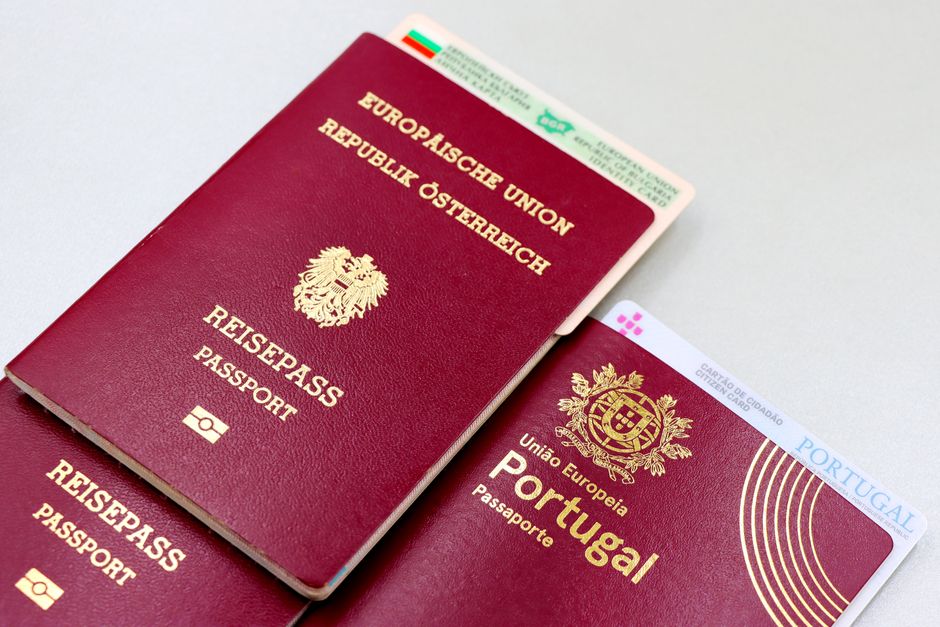
Malta 🇲🇹: Citizenship by investment (approx. €750,000 + residence requirement). Portugal 🇵🇹: Golden Visa leading to citizenship after 5 years (with limited residency requirement). Caribbean nations (e.g., St. Kitts & Nevis, Dominica): Fast-track with direct investment (often used for second passports).
By Descent (Ancestry):
Many European countries allow citizenship through descent if you can prove a parent, grandparent, or sometimes great-grandparent was a citizen: Ireland 🇮🇪 Italy 🇮🇹 Poland 🇵🇱 Hungary 🇭🇺 Germany 🇩🇪 Lithuania 🇱🇹 Slovakia 🇸🇰
Summary Table:
CountryResidency YearsLanguage RequirementDual CitizenshipFast Track OptionsUSA5 (3 if married)English (basic)AllowedMarriage, MilitaryCanada3 of last 5English/French (CLB 4)AllowedChildren, RefugeesGermany8 (or less)B1 GermanLimited casesMarriage, BirthFrance5 (2 if studied)B1 FrenchAllowedMarriageSpain10 (2 for some)SpanishLimited casesMarriage, DescentItaly10B1 ItalianAllowedDescent, MarriageNL5A2/B1 DutchGenerally notMarriage
🌍 Want to become a citizen of the United States, Canada, or a European country? This video breaks down the main conditions and eligibility requirements for applying for citizenship in these top destinations.
✅ In This Video:
-
Requirements for U.S. Citizenship (Green Card, residence, tests)
-
Canada Citizenship Process (PR, time lived, language, tests)
-
European Union Citizenship Overview (residency, ancestry, investment options)
-
Dual citizenship: Who allows it and who doesn’t?

Tips for speeding up your process legally
📌 Whether you’re planning to move, already a resident, or just exploring your options — this video gives you a clear, up-to-date guide.
🔔 Subscribe for more videos on immigration, travel, and global living!
#CitizenshipRequirements #USACitizenship #CanadianCitizenship #EUCitizenship #ImmigrationTips #GreenCard #Naturalization #PRtoCitizenship #DualCitizenship
Pathway Comparison: Traditional Residency vs. Investment Routes
Traditional Residency Path (Most Common)
Advantages:
- Less expensive (no large capital investment required)
- Widely available across all countries
- Straightforward legal framework
- No business or investment risk
Disadvantages:
- Takes longer (3-10 years of residency required)
- Requires finding employment or family sponsorship first
- Dependent on maintaining residency status
- May face language and integration barriers
Investment-Based Citizenship (Fast Track)
Currently available in these countries:
Malta (EU): ~€750,000 investment for citizenship in 12-18 months
- One of the fastest routes in Europe
- EU citizenship benefits immediate upon approval
- Requires genuine investment commitment
- Relatively streamlined process
Portugal: Golden Visa leading to citizenship after 5 years
- €280,000-€500,000 real estate investment options
- Can count as European residency
- Pathway to EU citizenship
- Portuguese language not strictly required initially
Caribbean Nations: $100,000-$250,000 for citizenship
- St. Kitts & Nevis, Dominica, Antigua & Barbuda
- Fast processing (2-3 months)
- Citizenship via donation or real estate investment
- Useful for visa-free travel access
- No residency requirement in most cases
Vanuatu, Comoros: Fastest and cheapest options
- Under $130,000 for citizenship
- Processing time: 3-6 weeks
- Provides another passport
- Limited travel visa-free benefits
Additional Second-Citizenship Pathways
By Ancestry/Descent (Least Expensive)
Many countries allow citizenship through ancestral claims:
Countries with generous descent laws:
- Ireland: Up to 3 generations back
- Italy: Unlimited if line unbroken
- Greece: Up to one generation
- Hungary: Flexible for European descendants
- Poland: Recent expansions of descent eligibility
- Scotland: Similar to Ireland
Requirements typically include:
- Birth certificate proving ancestry
- Marriage certificates showing lineage
- Naturalization records of ancestors
- Proof of unbroken line to current applicant
Cost varies: €500-€5,000 plus documentation; processing time: 6-24 months.
Through Marriage
Many countries offer accelerated naturalization for spouses:
Canada: 3 years of residency if married to citizen (vs. 5 years normally)
France: 4 years of marriage while living together; 2 years if separated
Germany: Reduced residency period if married to German citizen
Spain: 1 year if married to Spanish citizen (vs. 10 years normally)
Italy: 2 years if married and living in Italy (3 years if abroad)
Retirement Pathways
Several countries offer residency (pathway to citizenship) for retirees:
Portugal: Passive income from pensions (€1,000/month) sufficient for residency
Panama: Pensioner visa for those with $1,000/month income
Mexico: Temporary and permanent residency for retirees
Costa Rica: Pensioner residency for those with $1,000/month guaranteed income
Ecuador: Pensioner residency available for $1,910/month
Practical Advice for the Citizenship Journey
Pre-Citizenship Preparation
Language learning: Start before moving
- Most countries require B1 level proficiency
- Taking courses before arrival accelerates learning
- Language skills improve integration and employment prospects
Financial planning:
- Save 3-6 months emergency fund beyond citizenship investment
- Budget for legal fees ($1,000-$5,000)
- Plan for residency costs during waiting period
- Consider currency fluctuations if investing internationally
Professional guidance:
- Hire immigration lawyer familiar with your target country
- Consult tax advisors about global tax implications
- Verify authenticity of citizenship agents (scams exist)
- Investigate multiple service providers before committing
During Residency Period
Employment and integration:
- Seek employment if possible; shows genuine commitment
- Join community organizations and clubs
- Participate in local events and activities
- Build relationships that provide character references if needed
Maintaining records:
- Keep all residency documents organized
- Track physical presence carefully (many require continuous residence)
- Document all taxes filed and payments made
- Maintain good legal standing (no criminal record)
Language and civics preparation:
- Take civics classes if required before naturalization
- Study history and government structure actively
- Join cultural integration programs
- Consider hiring tutors for language and civics if needed
The Naturalization Application
Critical documents to prepare:
- Birth certificate (certified copy)
- Marriage/divorce certificates if applicable
- Police certificate of good conduct
- Tax return copies for required years
- Proof of language proficiency
- Naturalization application forms (often lengthy)
Timeline expectations:
- Application review: 1-3 months
- Background check: 1-4 months
- Interview/examination: 1-2 months (if required)
- Oath ceremony: 1-2 months after approval
- Total: Expect 6-12 months from application to citizenship
After Approval:
- Attend oath ceremony (usually mandatory)
- Apply for national passport
- Register at local authorities if required
- Update legal documents (driver’s license, property titles, etc.)
Common Mistakes to Avoid
1. Underestimating language requirements: Language is non-negotiable; invest seriously in learning
2. Assuming similarity between countries: Each country’s process is unique; don’t apply knowledge from one country to another
3. Timing residence days poorly: Some countries count actual physical days; traveling extensively can break continuity
4. Neglecting tax obligations: Failing to file taxes in residency country complicates naturalization
5. Expecting quick processing: Bureaucracy moves slowly; expect delays and plan accordingly
6. Choosing location purely for investment return: Real estate investment doesn’t guarantee returns; choose countries where you’d be happy living
7. Ignoring dual citizenship implications: Some countries require renouncing previous citizenship; verify this won’t affect your original country
The Bigger Picture: Why Pursue Second Citizenship?
Practical benefits:
- Visa-free or visa-on-arrival access to more countries
- Greater international business opportunities
- Tax optimization possibilities
- Access to EU benefits (if European citizenship)
- Escape options if political/economic instability affects home country
Philosophical considerations:
- Second citizenship is an investment in freedom and optionality
- It provides backup protection if home country becomes unstable
- It opens lifestyle choices and opportunities unavailable with single citizenship
- It’s a form of personal sovereignty and independence
Conclusion: Choosing Your Path to Citizenship
The route to citizenship depends on your circumstances, timeline, and budget:
- Budget-conscious: Pursue ancestry/descent citizenship
- Time-constrained: Consider Caribbean investment programs or Malta
- Already married: Leverage spousal expedited paths
- Retired with passive income: Explore pension-based residency programs
- Significant capital: Investment-based fast tracks in Malta, Portugal, or Vanuatu
Whichever path you choose, citizenship is both a legal status and a meaningful integration into a community. The most successful citizens are those who approach the country not just as an investment or escape route, but as a place they genuinely want to belong. The legal process is just the final step—the real work is building a life in your new home.
📧 Get More Insights Like This
Join thousands of readers who receive evidence-based personal development tips directly in their inbox.
🌟 Start Your Transformation Today
Ready to take the next step in your personal development journey?
Learn More About Us Browse All Articles