
How Does The Human Brain Complete The Process Of Listening And Understanding
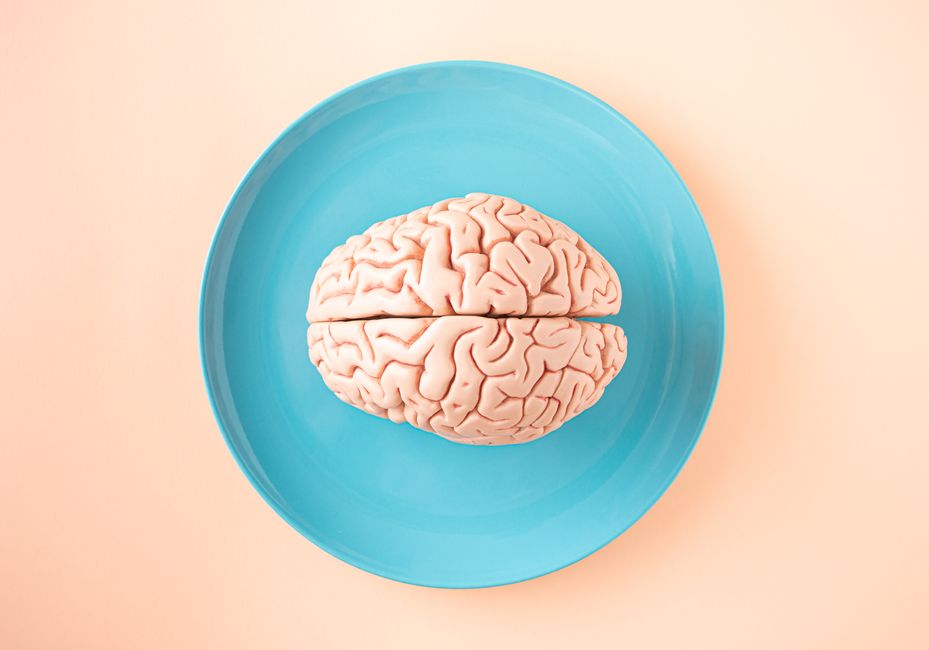
The process of listening and understanding is a remarkable feat of neuroscience. It involves complex interactions between multiple brain regions, specialized neural circuits, and intricate cognitive processes. Every time you listen to someone speak, your brain engages in a coordinated symphony of activity—from the moment sound waves enter your ear to when you comprehend meaning and formulate a response.
How The Brain Processes Sound: A Step-by-Step Overview
1. Auditory Perception
Sound Reception: The process begins when sound waves enter the outer ear and travel through the ear canal to the eardrum. These vibrations pass through the middle ear, where three small bones—the malleus, incus, and stapes—amplify the signal. This mechanical amplification increases the sound’s efficiency before reaching the inner ear.
Transduction to Electrical Signals: In the inner ear, thousands of specialized hair cells within the cochlea convert mechanical vibrations into electrical signals. These hair cells are extraordinarily sensitive; they can detect vibrations as small as a nanometer. The electrical signals then travel along the auditory nerve to the brain.
2. Brainstem and Initial Processing
Brainstem Processing: The electrical signals first reach the brainstem, where rapid processing determines the sound’s location and loudness. This level of processing happens automatically and helps your brain understand where a sound is coming from—crucial for survival and navigation in your environment.
Thalamus Relay: From the brainstem, signals are relayed to the thalamus, often called the “gateway to the cortex.” The thalamus acts as a central hub, filtering and organizing auditory information before sending it to higher brain regions.
3. Auditory Cortex and Feature Analysis
Primary Auditory Cortex: The thalamus sends processed signals to the primary auditory cortex (located in the temporal lobe.html). Here, the brain analyzes basic sound features: pitch, tone, loudness, and rhythm. Different regions of this cortex respond to different frequencies, creating a “tonotopic map” of sound.
Higher Auditory Processing: Beyond the primary auditory cortex, the brain performs more sophisticated analysis. This includes recognizing speech patterns, identifying familiar voices, distinguishing music from noise, and interpreting emotional tones in voice.
4. Attention and Selective Listening
Focusing on What Matters: Your brain doesn’t process all sounds equally. The anterior cingulate cortex and prefrontal cortex work together to focus attention on relevant sounds while filtering out background noise. This is why you can understand a friend’s voice at a loud party—your brain actively selects and prioritizes.
This selective attention process is essential for efficient listening. Without it, you’d be overwhelmed by every sound in your environment simultaneously, making comprehension impossible.
5. Language Processing and Meaning Extraction
Wernicke’s Area: For understanding speech, auditory signals are sent to Wernicke’s area (located in the temporal lobe). This region decodes the linguistic meaning of words and sentences. It recognizes word boundaries, grammatical structure, and semantic content.
Broca’s Area: Meanwhile, Broca’s area (in the frontal lobe) contributes to understanding grammatical relationships and preparing responses. For listening comprehension, Broca’s area helps you recognize the intended meaning even when sentences are grammatically complex.
Integration with Memory: The brain simultaneously pulls information from long-term memory to match heard words with their meanings, recognize familiar voices, and understand context. This integration happens so rapidly that you’re unaware of the process.
6. Working Memory and Comprehension
Holding Information Temporarily: Working memory maintains what you’ve just heard so your brain can integrate it with incoming information. As you listen to a sentence, your working memory holds the beginning while you process the end, allowing you to understand the complete thought. This is why very long, complicated sentences are harder to understand—they exceed working memory capacity.
7. Emotional and Cognitive Processing
Emotional Content: The amygdala analyzes emotional cues in speech—tone, pitch variations, and vocal quality. Emotional information colors your interpretation of a message. For example, the same words spoken angrily versus warmly convey different meanings.
Higher-Order Cognition: The prefrontal cortex integrates all this information for decision-making, reasoning, and determining appropriate responses based on context and social norms.
8. Response and Action
If a response is needed, motor areas of the brain are engaged to produce speech or other actions. Broca’s area coordinates with motor cortex regions to organize the thoughts into spoken words.
9. Continuous Feedback and Adjustment
Throughout listening, a continuous feedback loop operates. The brain constantly monitors incoming information, adjusts predictions, and refines understanding based on context and new information. This dynamic process is why understanding improves as you hear more context in a conversation.
The Remarkable Coordination
The entire process is seamless and happens within milliseconds. Your brain simultaneously processes sound waves, recognizes patterns, accesses memories, interprets emotions, and prepares responses. This coordination among dozens of brain regions demonstrates the brain’s extraordinary complexity and adaptive capacity.
Neural Mechanisms: The Biochemistry Behind Understanding
Neurotransmitter Systems
The listening and comprehension process relies on several key neurotransmitters:
- Glutamate: Primary excitatory neurotransmitter enabling signal transmission between neurons
- GABA: Inhibitory neurotransmitter that filters out irrelevant signals
- Dopamine: Released when you recognize meaningful information; enhances attention and motivation
- Acetylcholine: Supports memory consolidation during comprehension
Synaptic Plasticity
The brain’s ability to improve listening and understanding depends on synaptic plasticity—the ability of connections between neurons to strengthen or weaken based on experience. Each time you listen and comprehend, neural pathways are reinforced, making similar comprehension tasks easier. This is why learning a language improves with practice.
Practical Implications for Better Listening
Understanding how the brain processes listening offers insights for improving comprehension:
1. Minimize Distractions
Since the anterior cingulate cortex must actively filter distractions, reducing background noise and visual stimuli significantly improves listening ability. This is why people listen better in quiet environments.
2. Optimize Attention
Your prefrontal cortex requires metabolic energy to maintain attention. Listening comprehension deteriorates after sustained mental effort. Taking breaks during long conversations or lectures improves overall comprehension.
3. Use Context and Repetition
Wernicke’s area more easily decodes speech when context is available. Repeating key concepts or phrases strengthens neural pathways and improves memory consolidation. This is why teachers repeat important information.
4. Engage Multiple Senses
When you listen while watching a speaker’s lips and body language, multiple brain regions activate simultaneously. This multimodal integration enhances comprehension, particularly in noisy environments. This explains why it’s harder to understand speech when listening to audio alone versus watching someone speak.
5. Emotional Connection
The amygdala and limbic system enhance memory formation when listening content has emotional significance. Information you find emotionally meaningful is encoded more strongly into long-term memory.
Age-Related Changes in Listening and Comprehension
Aging Brain Effects
With aging, listening comprehension can be affected by:
- Reduced processing speed: The prefrontal cortex becomes less efficient with age
- Working memory decline: Less capacity to hold information temporarily
- Hearing loss: Presbycusis (age-related hearing loss) affects initial sound perception
- Cognitive load: More mental effort required for the same comprehension tasks
Research shows that elderly individuals compensate by:
- Relying more on context and prior knowledge
- Requiring slower speech rates and clearer enunciation
- Needing more time for working memory processing
Supporting Comprehension in Older Adults
- Speak more slowly and clearly
- Use visual aids and written summaries
- Reduce background noise
- Provide relevant context before presenting information
Common Listening Challenges and Solutions
Auditory Processing Disorder
Some individuals have difficulty with auditory processing despite normal hearing. This involves:
- Slow processing speed in the auditory cortex
- Difficulty separating speech from background noise (cocktail party problem)
- Trouble with rapid speech or complex sentences
Solutions: Use slower speech, written support, and strategic repetition.
Language Barriers and Second-Language Listening
When listening in a non-native language, additional cognitive load occurs because:
- The prefrontal cortex must simultaneously translate while comprehending
- Working memory is heavily taxed
- Familiar context is reduced
Improvement requires consistent exposure, allowing neural pathways to develop.
Technology and Listening
Modern technology is beginning to understand and mimic these brain processes:
- AI speech recognition: Programs trained to process speech like Wernicke’s area does
- Hearing aids: Technologies that mimic the brain’s ability to filter background noise
- Transcription services: Provide written support, reducing working memory load
The Mirror Neuron System
Interestingly, when you listen to someone speak, mirror neurons in your brain activate as if you were speaking those words. This motor simulation of speech helps you understand not just the linguistic content, but also the speaker’s intent and emotional state. This brain region’s sophistication explains empathetic listening and why understanding deepens through conversation.
The Remarkable Efficiency of Understanding
Consider what happens in just one second of conversation:
- Sound waves are converted to electrical signals (cochlear transduction)
- The location and intensity of sound is determined (brainstem processing)
- Sound features are analyzed across multiple frequencies (auditory cortex)
- Competing sounds are filtered out (selective attention)
- Words are decoded for linguistic meaning (Wernicke’s area)
- Grammar and intent are interpreted (Broca’s area)
- Memories are accessed to contextualize words (temporal lobe)
- Emotional tone is interpreted (amygdala)
- The information is integrated for response planning (prefrontal cortex)
This occurs largely unconsciously, demonstrating the remarkable efficiency of the human brain.
Practical Tips for Better Listening
- Maintain proper sleep: Sleep consolidates auditory learning and supports optimal prefrontal cortex function
- Exercise regularly: Physical activity increases blood flow to the auditory cortex and prefrontal regions
- Learn languages: Bilingualism strengthens the neural networks supporting comprehension
- Meditate: Mindfulness meditation enhances attention and selective listening ability
- Reduce stress: Chronic stress impairs working memory and prefrontal function
- Limit multitasking: The brain cannot effectively divide attention between multiple listening tasks
Conclusion
The process of listening and understanding represents one of the most complex and coordinated functions of the human brain. It involves the seamless integration of auditory perception, language processing, memory retrieval, emotional interpretation, and cognitive reasoning—all occurring in milliseconds. By understanding these neural mechanisms, you can appreciate the sophistication of human communication and implement strategies to enhance your own listening abilities and support others’ comprehension needs.
📧 Get More Insights Like This
Join thousands of readers who receive evidence-based personal development tips directly in their inbox.
🌟 Start Your Transformation Today
Ready to take the next step in your personal development journey?
Learn More About Us Browse All Articles