What do you get from patience?
Introduction to Patience as a Virtue
Patience is far more than simply waiting. It’s a deliberate choice to remain calm, composed, and hopeful when facing delays, challenges, or difficult circumstances. In our fast-paced world, patience has become a rare and valuable virtue—one that can transform both your inner world and your external circumstances.
The power of patience lies not in passivity, but in purposeful presence. When you cultivate patience, you give yourself permission to experience life at a natural pace, trusting that growth and progress are unfolding as they should. This simple shift in perspective can unlock tremendous benefits across every area of your life.
The Key Benefits of Patience
Better Decision Making
Patient people make superior decisions because they take time to gather information and consider multiple perspectives. Instead of reacting impulsively, you pause, reflect, and weigh your options carefully. This thoughtfulness leads to choices you won’t regret and outcomes that align better with your true goals.
Reduced Stress and Anxiety
When you practice patience, you naturally reduce the stress hormones flooding your system. Impatience creates urgency and tension, but patience creates calm. By releasing the need for immediate results, you lower your cortisol levels and experience greater emotional stability throughout your day.
Stronger Relationships
Patience is the foundation of meaningful connection. When you’re patient with others, you listen more deeply, respond with empathy, and create space for genuine understanding. This transforms how people experience you—as someone safe, trustworthy, and genuinely caring. Your relationships deepen because others feel truly heard.
Improved Mental Health
Patient individuals experience less anxiety, depression, and emotional volatility. The mental relief that comes from accepting what you cannot control and focusing on what you can creates a healthier psychological landscape. You develop greater emotional resilience and a more optimistic outlook on life.
Greater Success Through Delayed Gratification
True success requires patience. Whether building a business, mastering a skill, or achieving fitness goals, patience enables you to stay committed during the long stretches when visible progress seems slow. The ability to delay immediate gratification in favor of long-term rewards is one of the strongest predictors of life success.
Enhanced Resilience
Patient people bounce back from setbacks more effectively. Rather than viewing obstacles as failures, they see them as temporary challenges on the path to their goal. This resilience becomes your greatest asset when navigating life’s inevitable difficulties.
Better Physical Health
The benefits of patience extend to your body. Reduced stress means lower blood pressure, a healthier heart, and better sleep quality. Patient people also maintain healthy habits more consistently because they’re willing to invest time in gradual, sustainable improvement rather than seeking quick fixes.
The Science Behind Patience
Patience is deeply rooted in your brain’s neurobiology. Your prefrontal cortex—the region responsible for rational thinking, planning, and impulse control—becomes stronger when you practice patience. This is the part of your brain that says “wait” and “think before acting.”
When you’re impatient, you’re actually operating from your limbic system, the older, more reactive part of your brain. By deliberately choosing patience, you strengthen neural pathways that support wise decision-making and emotional regulation. Over time, patience becomes increasingly automatic as your brain rewires itself toward calm, deliberate responses.

Types of Patience
Understanding different types of patience helps you recognize where your patience practice applies:
Interpersonal patience involves tolerating others’ differences, mistakes, and unique pace of understanding. This is about patience with people.
Life hardship patience refers to your ability to endure significant challenges—illness, loss, uncertainty—without losing hope. This is patience during major trials.
Daily hassle patience applies to small frustrations—traffic, waiting in lines, technical difficulties. This everyday patience prevents constant stress and irritation.
How to Develop Patience
Mindfulness and Meditation
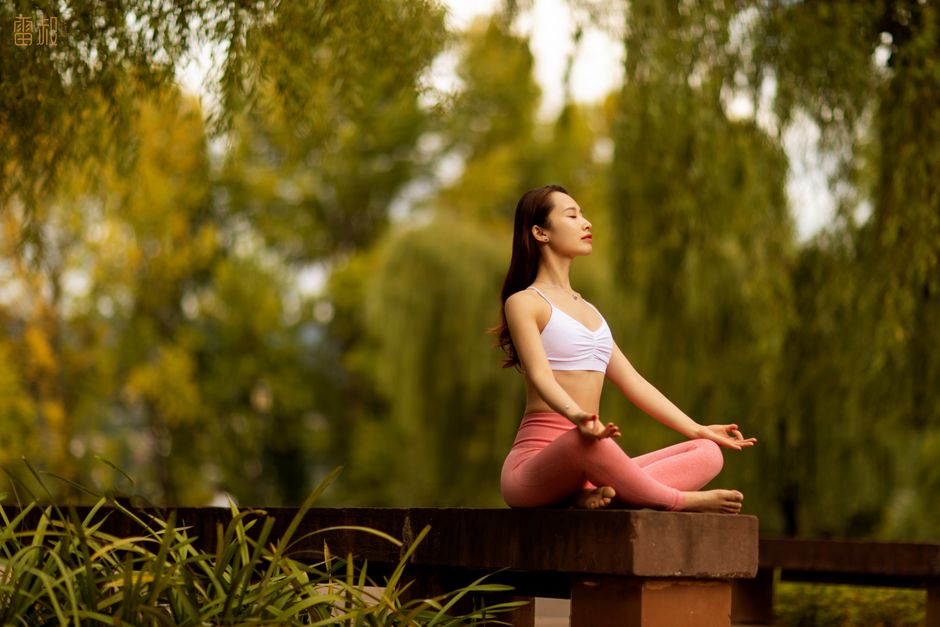
Regular meditation strengthens your ability to observe situations without immediately reacting. Even ten minutes daily can measurably increase your capacity for patience.
Deep Breathing
When impatience rises, return to your breath. Slow, deliberate breathing immediately calms your nervous system and creates mental space for patient responses.
Reframe Situations
Instead of viewing delays as obstacles, see them as opportunities. That long line? A chance to read something meaningful. That difficult person? An opportunity to practice compassion and understanding.
Practice Gratitude
Grateful people are naturally more patient. When you focus on what’s already good in your life, you release the desperate urgency around what’s missing.
Start Small
Don’t expect to transform overnight. Begin with small patience practices—waiting without checking your phone, listening without interrupting—and build from there.
Patience in the Modern Fast-Paced World
Our culture celebrates speed, instant gratification, and immediate results. Yet this pace creates chronic stress and shallow achievements. Patience is becoming a countercultural practice—and that’s precisely what makes it so powerful.
By choosing patience, you opt out of the exhausting race and step into a more sustainable way of living. You become someone who can think deeply, act wisely, and build something lasting while others are still rushing from one thing to the next.
Balance: Knowing When to Be Patient vs When to Act
Patience is valuable, but it’s not the answer to everything. The wisdom lies in knowing the difference. Be patient when facing circumstances beyond your control, when gathering information improves your decision, when growth naturally requires time, and when relationships need space to develop.
Act decisively when you’ve delayed long enough, when waiting causes real harm, when opportunity has a genuine deadline, and when your values demand immediate response. True wisdom integrates both patience and purposeful action.
The greatest gift of patience is freedom—freedom from the tyranny of urgency, freedom to become your best self, and freedom to experience life’s deeper gifts that only reveal themselves to those willing to wait.
📧 Get More Insights Like This
Join thousands of readers who receive evidence-based personal development tips directly in their inbox.
🌟 Start Your Transformation Today
Ready to take the next step in your personal development journey?
Learn More About Us Browse All Articles