Early Signs of Liver Failure: Lifestyle and Food Recovery

Your Liver: The Body’s Vital Filter
Your liver is one of the most important organs in your body, working tirelessly to filter toxins, produce proteins, and help regulate blood sugar. When your liver is healthy, you feel vibrant and energized. But when liver function begins to decline, early warning signs often appear—and catching them quickly can make all the difference in your recovery journey.
Early detection of liver problems is crucial because the liver has a remarkable ability to heal itself when given proper support. By recognizing the warning signs early and making intentional lifestyle and dietary changes, many people successfully restore their liver health and prevent serious complications.
10 Early Warning Signs of Liver Failure
Your body sends signals when your liver needs help. Here are ten important early signs to watch for:
-
Jaundice (Yellowing of the Skin and Eyes): A yellowing appearance in your skin, whites of your eyes, and sometimes your nails indicates a buildup of bilirubin—a clear sign your liver isn’t processing waste effectively.
-
Persistent Fatigue and Weakness: Extreme tiredness that doesn’t improve with rest is one of the most common early symptoms, as your liver struggles to metabolize nutrients properly.
-
Abdominal Pain and Swelling: Discomfort in the upper right side of your abdomen, where your liver sits, can indicate inflammation or damage. Swelling in the belly area may also develop.
-
Dark Urine: If your urine becomes unusually dark or tea-colored, it suggests your liver is having trouble processing bilirubin.
-
Pale or Chalky Stools: When bile production decreases, your stools may become lighter in color, sometimes clay-like in appearance.
-
Persistent Nausea and Appetite Loss: Feeling queasy or losing interest in food, especially fatty foods, can signal liver dysfunction and warrants medical attention.
-
Easily Bruising or Unexplained Bleeding: Your liver produces proteins necessary for blood clotting. If you bruise easily or notice unusual bleeding, this is a warning sign that your liver may not be functioning optimally.
-
Itchy Skin (Pruritus): Mysterious, persistent itching throughout your body, often without a visible rash, can occur when bile accumulates in the bloodstream.
-
Confusion or Brain Fog: Mental changes including difficulty concentrating, confusion, or personality changes are serious signs that toxins are not being filtered properly and may be affecting your brain.
-
Swelling in the Legs and Ankles (Edema): When your liver can’t produce enough proteins, fluid retention occurs, causing noticeable swelling in your lower extremities.
Understanding the Causes
Several conditions can lead to liver failure, and understanding what damaged your liver is essential for effective recovery:
Alcohol Consumption: Excessive alcohol is a leading cause of liver damage. The liver works overtime trying to metabolize alcohol, causing inflammation and cirrhosis over time.
Hepatitis Infections: Viral infections like hepatitis A, B, and C attack liver cells directly, causing inflammation and potentially permanent damage.
Fatty Liver Disease: Both alcohol-related and non-alcoholic fatty liver disease (NAFLD) result from fat accumulation in liver cells, reducing liver function.
Medication Side Effects: Certain medications, including some antibiotics, acetaminophen, and others, can accumulate in the liver and cause damage.
Obesity and Metabolic Issues: Excess weight, especially around the abdomen, contributes to fatty liver disease and metabolic dysfunction.
Lifestyle Changes That Support Recovery
The good news is that your liver wants to heal, and meaningful lifestyle changes can activate this healing process:
Stop Alcohol Immediately: If alcohol contributed to your liver damage, complete abstinence is non-negotiable for recovery. Your liver can begin regenerating within weeks of stopping alcohol consumption.
Achieve Healthy Weight: If you’re overweight, losing even 5-10% of your body weight can significantly reduce liver fat and improve function.
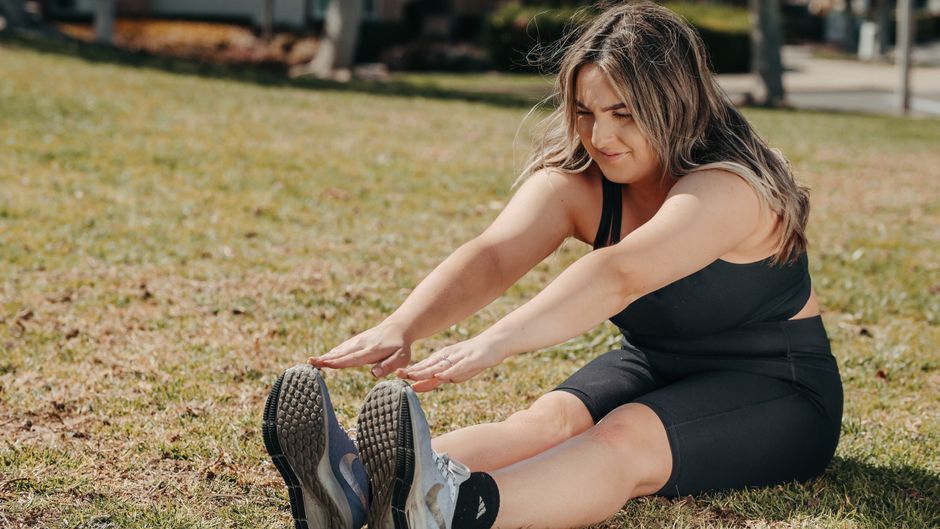
Exercise Regularly: Aim for 30 minutes of moderate activity like walking, swimming, or cycling most days of the week. Exercise improves liver function and helps manage weight.
Manage Stress: Chronic stress impairs liver function. Practice meditation, deep breathing, yoga, or other calming activities daily.
Get Quality Sleep: Your liver performs crucial repair work during sleep. Aim for 7-9 hours nightly to support regeneration.
Avoid Toxins: Limit exposure to environmental toxins, pesticides, and harsh chemicals that burden your liver.
Healing Foods That Support Liver Recovery
What you eat directly impacts your liver’s healing ability. Incorporate these powerful foods:
Leafy Green Vegetables: Spinach, kale, and collard greens are loaded with chlorophyll and antioxidants that support detoxification and reduce inflammation.
Beets and Beetroot: Beets contain betalains and other compounds that support liver cleansing and regeneration. Include them in salads or juice them for maximum benefit.
Garlic: This pungent bulb activates liver enzymes that help flush toxins and supports healing with its sulfur-containing compounds.
Turmeric: The golden spice curcumin is powerfully anti-inflammatory and protects liver cells from damage while supporting regeneration.
Cruciferous Vegetables: Broccoli, cauliflower, and Brussels sprouts enhance your liver’s detoxification capacity.
Berries: Blueberries, cranberries, and blackberries are rich in polyphenols that protect liver cells and reduce inflammation.
Fatty Fish: Salmon, mackerel, and sardines provide omega-3 fatty acids that reduce liver fat and inflammation.
Nuts and Seeds: Walnuts and pumpkin seeds support liver health with healthy fats and essential nutrients.
Foods to Avoid:
- Processed and fried foods that burden detoxification
- Added sugars and refined carbohydrates
- Excessive salt
- High-mercury fish
- Alcohol (completely)
- Fatty meats high in saturated fat
The Liver’s Remarkable Recovery Capacity
One of the most hopeful facts about liver disease is your liver’s incredible ability to regenerate. Unlike many organs, the liver can repair itself and even regrow when partially removed. Even significant damage can be reversed if you intervene early and consistently support recovery.
Recovery Timeline: With proper lifestyle changes and medical supervision, many people see improvements in liver function markers within 4-6 weeks. More substantial healing typically occurs over 3-6 months. Complete recovery may take longer depending on the extent of initial damage, but improvement is absolutely possible.
Medical Supervision Matters: Work closely with your healthcare provider, who can monitor your liver function through blood tests (checking enzymes like ALT, AST, and bilirubin levels) and imaging studies. Regular monitoring ensures your recovery plan is working and allows for adjustments as needed.
Your Path Forward
Recognizing early signs of liver failure is your opportunity to take action before serious complications develop. Your liver has an extraordinary capacity to heal when given the right support. By eliminating harmful substances, adopting healthier lifestyle habits, and nourishing your body with liver-supporting foods, you’re not just treating a condition—you’re reclaiming your energy, clarity, and overall wellness.
Begin today. Every positive choice you make supports your liver’s healing journey. With consistency, patience, and proper medical guidance, recovery is within your reach.
Frequently Asked Questions (FAQ)
Q: What does jaundice indicate about liver function?
A: Yellowing of the skin and eyes signals a buildup of bilirubin because the liver isn’t processing and clearing waste products effectively—it’s one of the clearest visible warning signs of liver dysfunction.
Q: What is the single most important step for someone whose liver damage is alcohol-related?
A: Complete abstinence from alcohol is non-negotiable—the liver can begin regenerating within weeks of stopping, since it has a remarkable self-healing capacity once the underlying damage source is removed.
Q: How long does it typically take to see improvement in liver function after lifestyle changes?
A: With consistent lifestyle changes and medical supervision, many people see improved liver function markers like ALT, AST, and bilirubin within 4-6 weeks, with more substantial healing typically occurring over 3-6 months.
Conclusion
The liver sends clear warning signals—jaundice, dark urine, persistent fatigue, easy bruising, and abdominal pain among them—long before failure becomes irreversible, and unlike most organs it can genuinely regenerate when given the chance. Removing the underlying cause, whether that’s alcohol, viral hepatitis, or fatty liver disease, combined with liver-supporting foods like leafy greens, beets, garlic, and turmeric, gives the organ real room to heal. Recovery isn’t instant, but with medical monitoring of liver enzymes and sustained lifestyle changes, meaningful improvement within weeks to months is realistic for most people. ***
Disclaimer: This article is for informational purposes only. Please consult with a qualified healthcare provider for medical advice.
📧 Get More Insights Like This
Join thousands of readers who receive evidence-based personal development tips directly in their inbox.
🌟 Start Your Transformation Today
Ready to take the next step in your personal development journey?
Learn More About Us Browse All Articles