
Paracetamol (Acetaminophen): Uses, Benefits, and Side Effects
The World’s Most Common Pain Reliever
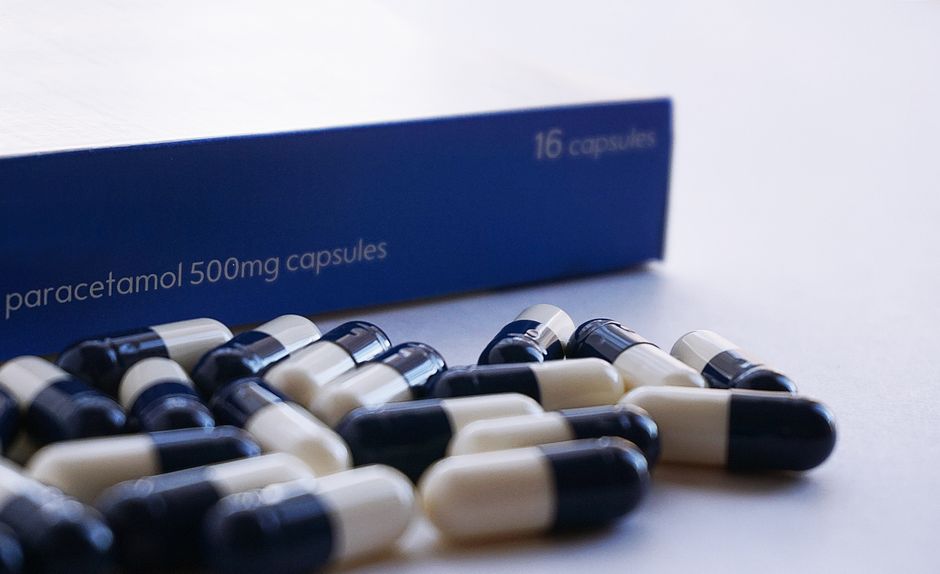
Paracetamol (also known as acetaminophen in the United States and Canada) stands as one of the most widely used medications globally, trusted by billions for temporary relief from pain and fever. From common headaches to more serious conditions like arthritis, this over-the-counter medication has become a household staple. However, widespread availability does not mean unlimited safety. Understanding how paracetamol works, its genuine benefits, potential risks, and proper usage is essential for anyone who uses this medication.
What Is Paracetamol and How Does It Work?
Paracetamol is an analgesic (pain reliever) and antipyretic (fever reducer) medication that works by affecting the brain’s pain perception and body temperature regulation. Unlike anti-inflammatory drugs like ibuprofen that reduce inflammation directly, paracetamol operates primarily through the central nervous system to decrease the perception of pain and lower fever-causing substances.
The medication is available under numerous brand names worldwide, including Tylenol, Panadol, Crocin, and Calpol for children. While similar medications exist, paracetamol’s unique mechanism and safety profile have made it the go-to choice for millions seeking pain and fever relief without the gastrointestinal complications associated with other pain relievers.
Key Benefits of Paracetamol
Paracetamol offers several significant advantages for pain and fever management. It effectively treats mild to moderate pain conditions including headaches, toothaches, muscle aches, menstrual cramps, back pain, and osteoarthritis. For individuals experiencing fever from infections like common colds, flu, or viral infections, paracetamol provides reliable temperature reduction.
One major advantage over NSAIDs (non-steroidal anti-inflammatory drugs) is its gentler impact on the gastrointestinal system. People with stomach ulcers, bleeding disorders, or aspirin sensitivity can typically tolerate paracetamol well. Additionally, paracetamol is considered one of the safest pain relievers during pregnancy and breastfeeding when used at recommended doses, making it a trusted option for expectant and nursing mothers.
Understanding the Risks
Despite its safety profile when used correctly, paracetamol carries real risks with misuse. The most serious danger is liver damage (hepatotoxicity), which can occur from overdose or chronic overuse. The risk increases significantly with alcohol consumption, existing liver disease, or accidental overdose. This is a critical concern because paracetamol appears in numerous combination medications, leading people to unknowingly exceed safe limits.
Additional risks include rare but serious allergic reactions such as skin rashes, swelling, or severe reactions like anaphylaxis. Long-term high-dose use may affect kidney function, especially in people with existing kidney disease. These risks underscore the importance of treating paracetamol with appropriate respect despite its widespread availability.
Proper Use and Dosage Guidelines
Safe and effective paracetamol use requires following established dosage guidelines. For adults, the typical dose is 500–1000 mg every 4–6 hours as needed, with an absolute maximum daily limit of 4,000 mg (4g). It’s crucial to check medication labels carefully, as many combination products for cold, flu, and allergy symptoms already contain paracetamol, making accidental overdose possible.
Paracetamol can be taken with or without food, though taking it with food may help if you experience stomach sensitivity. Spacing doses at least 4-6 hours apart and never exceeding the daily maximum is essential. For children, dosing depends on age and weight and should always follow product labeling or physician guidance.
Side Effects and When They Occur
While common side effects are rare, paracetamol can cause skin rashes, mild nausea, or stomach discomfort in some individuals. More serious reactions, though uncommon, include difficulty breathing, swelling of the face or throat, or signs of liver damage such as yellowing of the skin and eyes, persistent nausea, or abdominal pain.
Long-term regular use, even at therapeutic doses, raises concerns about potential liver and kidney effects that warrant medical supervision. Anyone with pre-existing liver or kidney disease should consult their healthcare provider before regular paracetamol use.
Alternatives to Paracetamol
Ibuprofen, another popular pain reliever, offers anti-inflammatory benefits but carries higher gastrointestinal risks. Aspirin provides similar benefits but is unsuitable for certain populations. For those seeking natural alternatives, ginger, turmeric, and heat therapy have demonstrated pain relief properties for specific conditions, though they should not replace medical advice for serious pain.
When to See a Doctor
Seek medical attention if pain or fever persists beyond 3 days despite treatment, as this may indicate a more serious condition. Suspected paracetamol overdose requires immediate emergency care. Also consult a doctor if you experience yellowing of skin or eyes, signs of allergic reactions, or if you have chronic pain requiring regular medication, as your healthcare provider may recommend alternative strategies or ongoing monitoring.

Mechanism of Action: How Paracetamol Works
Paracetamol works primarily through two pathways in the central nervous system:
- COX-3 enzyme inhibition: Reduces production of prostaglandins in the brain and spinal cord, which are responsible for pain signals and fever regulation
- Serotonin pathway activation: Enhances the brain’s natural pain-suppressing mechanisms
Unlike NSAIDs (ibuprofen, naproxen), paracetamol has minimal anti-inflammatory effects in peripheral tissues, which explains why it’s gentler on the stomach but less effective for conditions with significant inflammation like arthritis or injury.
The medication reaches peak concentration in the bloodstream 30-60 minutes after oral administration and has an elimination half-life of 2-3 hours, which is why it’s taken every 4-6 hours.
Drug Interactions and Contraindications
Paracetamol interactions with other substances are important to understand:
Alcohol Interaction
- Chronic alcohol use significantly increases liver toxicity risk
- Even moderate alcohol (2-3 drinks daily) with paracetamol doubles hepatotoxicity risk
- Avoid paracetamol or use with extreme caution if drinking alcohol regularly
Medication Interactions
- Warfarin: May increase bleeding risk
- Other paracetamol-containing products: Accidental overdose is the leading cause of paracetamol toxicity
- Phenytoin, barbiturates: May increase paracetamol metabolism
- Methotrexate: Reduced paracetamol clearance
Food Interactions
- Charcoal: Reduces paracetamol absorption
- Caffeine: Actually enhances paracetamol effectiveness by 5-8%
- Most foods do not significantly affect paracetamol
Special Populations and Precautions
Pregnancy and Breastfeeding
- Paracetamol is FDA Pregnancy Category B—considered safe during all three trimesters
- Used extensively in pregnant women for pain and fever
- Only minimal amounts pass into breast milk (less than 0.1%)
- Safer choice than most alternative pain relievers during pregnancy
Elderly Patients
- Reduced liver function and slower drug metabolism in elderly individuals
- Recommendation: Use lower doses (maximum 3,000 mg daily)
- Increased risk of liver and kidney damage in this population
Children
- Dosing strictly by weight, not age
- Infant formulations: 160 mg per 5 mL
- Children’s formulations: 160-325 mg per tablet
- Never use adult formulations for children without medical guidance
Liver and Kidney Disease
- Liver disease: Use only with medical supervision; reduce maximum daily dose to 2,000-3,000 mg
- Kidney disease (Stage 3-4): Reduced clearance requires dose adjustment
- End-stage renal disease: Avoid or use with strict medical supervision
Overdose: Recognition and Management
Signs of Paracetamol Overdose
Early symptoms (within hours):
- Nausea and vomiting
- Abdominal pain and sweating
- General malaise
Late symptoms (24-72 hours—critical period):
- Jaundice (yellowing of skin and eyes)
- Persistent vomiting
- Abdominal pain
- Confusion or altered consciousness
- Signs of liver failure
Overdose Management
If overdose is suspected:
- Call poison control or emergency services immediately
- N-acetylcysteine (NAC) is the specific antidote when given within 24 hours
- Early treatment dramatically improves outcomes
- Activated charcoal may be given within 2-4 hours of overdose
- Liver function tests and INR monitoring is essential
Comparing Paracetamol with Other Pain Relievers
| Medication | Onset | Duration | GI Risk | Anti-inflammatory | Pregnancy Safe |
|---|---|---|---|---|---|
| Paracetamol | 30-60 min | 4-6 hours | Low | No | Yes |
| Ibuprofen | 30-45 min | 6-8 hours | High | Yes | No (3rd trimester) |
| Aspirin | 30-60 min | 4-6 hours | High | Yes | Contraindicated |
| Naproxen | 30 min | 8-12 hours | High | Yes | No |
Best Practices for Safe Paracetamol Use
- Always check combination products: Many cold, flu, and allergy medications contain hidden paracetamol
- Never exceed daily limits: 4,000 mg (4g) absolute maximum for adults
- Space doses appropriately: Minimum 4-6 hours between doses
- Be cautious with alcohol: Avoid or minimize alcohol consumption
- Monitor liver health: If using regularly, periodic liver function tests are wise
- Use lowest effective dose: Take the minimum amount needed for symptom relief
- Know when to seek alternatives: For inflammation-related pain, NSAIDs may be more appropriate
Frequently Asked Questions (FAQ)
Q: What is the maximum safe dose of paracetamol for adults?
A: The absolute maximum is 4,000 mg (4g) per day, typically taken as 500-1000 mg every 4-6 hours. Many combination cold and flu products already contain paracetamol, so check labels carefully to avoid accidentally exceeding this limit.
Q: Is paracetamol safer than ibuprofen for my stomach?
A: Yes—unlike NSAIDs such as ibuprofen, paracetamol doesn’t significantly irritate the gastrointestinal tract, making it a better option for people with ulcers, bleeding disorders, or aspirin sensitivity, though it offers no anti-inflammatory benefit.
Q: What should I do if I suspect a paracetamol overdose?
A: Call poison control or emergency services immediately, even if symptoms haven’t appeared yet, since early signs like nausea can be followed by delayed liver damage 24-72 hours later. The antidote, N-acetylcysteine (NAC), is most effective when given within 24 hours.
Conclusion
Paracetamol remains a valuable tool for pain and fever management when used responsibly. Its accessibility should never lead to complacency about dosage limits and potential interactions. By understanding what paracetamol is, recognizing its genuine benefits, respecting its risks, and following proper usage guidelines, you can safely and effectively use this medication when needed. Always consult healthcare providers if you have liver disease, kidney disease, or take multiple medications simultaneously.
📧 Get More Insights Like This
Join thousands of readers who receive evidence-based personal development tips directly in their inbox.
🌟 Start Your Transformation Today
Ready to take the next step in your personal development journey?
Learn More About Us Browse All Articles