
Cardamom health benefit and loss

Introduction to Cardamom
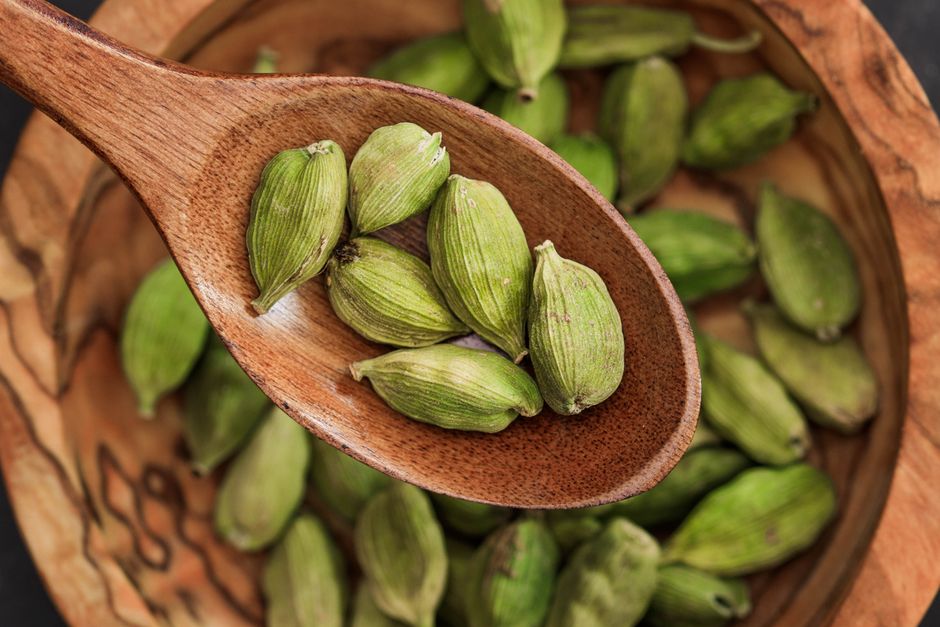
Cardamom is a popular spice used in cooking, traditional medicine, and aromatherapy. This aromatic seed pod belongs to the ginger family and has been treasured for centuries across Asian, Indian, and Middle Eastern cuisines. Cardamom comes in two main types: green cardamom (Elettaria cardamomum) and black cardamom (Amomum subulatum).
Green cardamom is milder and sweeter, commonly used in desserts and beverages. Black cardamom offers a smoky, deeper flavor, making it ideal for savory dishes and spice blends. Both varieties contain similar beneficial compounds, though their flavor profiles differ significantly.
Nutritional Profile and Active Compounds
Cardamom is remarkably nutrient-dense despite being used in small quantities. Per 100g of cardamom powder, you’ll find approximately 311 calories, 11g of protein, 68g of carbohydrates, and 28g of dietary fiber. It also provides significant amounts of potassium (1,119 mg), magnesium (229 mg), iron, manganese, and calcium.
The real power of cardamom lies in its active compounds. It contains flavonoids, essential oils (including cineole, limonene, and terpinene), and polyphenols. These compounds are responsible for cardamom’s anti-inflammatory, antioxidant, and antimicrobial properties. The essential oils give cardamom its distinctive aroma and contribute to many of its health benefits.
Health Benefits of Cardamom
Digestive Aid
Cardamom has powerful carminative properties, meaning it helps relieve gas, bloating, and indigestion. It works by stimulating the secretion of digestive enzymes and bile flow, which aids in fat digestion. Traditional medicine practitioners have long recommended cardamom for its ability to reduce nausea and vomiting, making it helpful for those experiencing digestive discomfort.
Anti-Inflammatory Effects
The flavonoids and essential oils in cardamom work to reduce inflammation throughout the body. These compounds neutralize free radicals and reduce oxidative stress, protecting cells from damage. This makes cardamom particularly beneficial for individuals with inflammatory conditions.
Antimicrobial Properties
Cardamom demonstrates strong antimicrobial activity against various bacteria and microorganisms. This property helps fight bacteria that cause bad breath, cavities, and gum infections. Chewing cardamom pods can act as a natural mouth freshener and may support overall oral hygiene.
Blood Pressure Reduction
Cardamom may help lower blood pressure through its diuretic effect and potent antioxidant properties. The spice improves blood circulation and may support healthy heart rhythm regulation. The potassium content also contributes to cardiovascular health by helping balance fluid levels in the body.
Respiratory Health
Traditionally used in Ayurvedic and Chinese medicine to relieve asthma, bronchitis, and persistent cough, cardamom acts as a natural expectorant and decongestant. Its warming properties make it particularly useful for clearing respiratory passages and supporting overall lung function.
Antioxidant Effects
Rich in polyphenols and other antioxidant compounds, cardamom helps protect cells from oxidative damage. Some preliminary studies suggest cardamom may have anti-carcinogenic effects, particularly in colorectal and skin cancer models, though more human research is needed to establish clinical efficacy.
Oral Health
The antimicrobial properties make cardamom excellent for oral health. It fights bacteria responsible for bad breath and gum disease while freshening breath naturally. Many traditional cultures chew cardamom pods after meals for this purpose, and modern research supports these traditional uses.
Potential Disadvantages
Allergic Reactions
While rare, allergic reactions to cardamom are possible. Symptoms may include skin rashes, breathing difficulty, itching, or hives. Individuals with known allergies to ginger family plants should exercise caution when introducing cardamom into their diet.
Gallstone Concerns
People with existing gallstones should be cautious, as large doses of cardamom might aggravate gallstone issues by stimulating bile production. Those with gallbladder problems should consult a healthcare provider before consuming medicinal amounts of cardamom supplements or concentrated forms.
Drug Interactions
Cardamom may interact with certain medications, including anticoagulants (blood thinners.html), antihypertensives, diuretics, and diabetes medications. If you take prescription medications, consult your doctor before using cardamom supplements or significantly increasing your consumption beyond normal culinary levels.
How to Use Cardamom
Cardamom can be incorporated into your routine through several methods. Whole pods can be chewed or brewed in tea for maximum flavor and health benefits. Ground powder works well in baking, curries, rice dishes, and coffee. Essential oil can be used in aromatherapy diffusers for respiratory and mood benefits, though it should be diluted properly. Extracts and supplements offer concentrated forms, though these should be used cautiously and preferably under professional guidance.
Dosage Recommendations
For culinary use, there are no specific restrictions; simply use cardamom to taste in your cooking. For medicinal purposes, typical recommendations range from 500-1,000 mg of cardamom powder daily, divided into doses. However, it’s best to start with smaller amounts and consult a healthcare provider before establishing a regular supplementation routine, especially if you take medications or have existing health conditions like gallstones or are taking anticoagulants.
Blood Sugar Control and Metabolic Health
Research suggests cardamom may improve blood sugar control. Studies indicate that cinnamon and cardamom together enhance insulin sensitivity and reduce fasting blood glucose levels. The spice contains compounds that may slow glucose absorption, preventing blood sugar spikes after meals. For individuals with prediabetes or type 2 diabetes, incorporating cardamom into a balanced diet may provide metabolic benefits.
Cardiovascular Health and Hypertension
Beyond blood pressure reduction, cardamom supports overall cardiovascular function through multiple mechanisms:
- Antioxidant capacity: Reduces oxidative stress in blood vessels
- Anticoagulant properties: May slightly thin blood, improving circulation
- Potassium content: Balances fluid retention and supports healthy blood pressure (approximately 1,119 mg per 100g)
- Lipid profile improvement: Some studies suggest cardamom may reduce cholesterol levels
Liver Health and Detoxification
Cardamom demonstrates hepatoprotective properties, supporting natural detoxification processes. The spice activates liver enzymes that process and eliminate toxins. Traditional medicine systems have used cardamom for liver support, and modern research is beginning to validate these traditional uses. Its antioxidant compounds help protect liver cells from oxidative damage.

Mental Health and Mood Support
The aromatic compounds in cardamom, particularly through aromatherapy, may provide mood-supporting benefits:
- Anxiety reduction: Inhalation of cardamom oil reduces perceived stress
- Mood elevation: Warm spices stimulate the release of endorphins
- Cognitive enhancement: Compounds like cineole improve blood flow to the brain
- Traditional use: Used in Ayurveda for promoting mental clarity and emotional balance
Weight Management Support
While not a weight loss miracle, cardamom may support healthy weight management:
- Digestive enhancement: Better digestion supports more efficient metabolism
- Metabolism boost: Warming spices slightly increase thermogenesis (heat production)
- Blood sugar stabilization: Prevents energy crashes and cravings
- Anti-inflammatory effects: Reduce inflammatory-related weight gain
- Appetite control: Cardamom tea can promote feelings of fullness
Scientific Research: Current Evidence
Key research findings:
- Hypertension study (2013): Participants receiving 3g cardamom daily for 12 weeks showed significant blood pressure reductions
- Metabolic syndrome: Some studies suggest cardamom helps improve metabolic markers in those with metabolic syndrome
- Dental health: Multiple studies confirm antimicrobial activity against oral pathogens
- Anti-cancer potential: Preliminary in-vitro studies show promise, though human trials remain limited
- Inflammation markers: Studies show reduced C-reactive protein (inflammation marker) with cardamom consumption
Cardamom in Traditional Medicine Systems
Ayurvedic Medicine
In Ayurveda, cardamom is classified as “tridoshic” (balancing all three doshas). It’s used for:
- Kapha imbalance: Stimulates digestion and metabolism
- Vata balance: Warming properties calm nervous system
- Pitta moderation: Cooling effect on inflamed conditions
Traditional Chinese Medicine
Warming spice used to:
- Enhance Qi (vital energy) flow
- Support digestive fire
- Clear damp-cold conditions
How to Use Cardamom
Culinary applications:
- Cardamom tea: Steep pods in hot water for 5-10 minutes
- Coffee enhancement: Add to morning coffee for flavor and digestive support
- Curry base: Key ingredient in garam masala and Indian curries
- Baking: Use in desserts, breads, and pastries
- Rice dishes: Toast pods and add to rice for aroma and health benefits
Medicinal applications:
- Supplements: 500-1,000mg capsules daily (consult healthcare provider)
- Essential oil: 1-2 drops diluted in carrier oil for aromatherapy
- Powdered form: 1/4 to 1/2 teaspoon daily in warm milk or tea
- Chewing: Whole pods after meals for oral health
Dosage and Safety Guidelines
Culinary dosage:
- Use freely in cooking (no established upper limit)
Medicinal dosage:
- Powder: 500-1,000mg daily in divided doses
- Essential oil: 1-2 drops diluted (never ingest pure oil)
- Tea/infusion: 2-3 pods per cup, 1-2 times daily
- Supplements: Follow product recommendations or consult healthcare provider
Important: Start with smaller amounts to assess tolerance. Those with gallstones, taking blood thinners, or with kidney disease should consult healthcare providers before significant medicinal use.
Contraindications and Precautions
Avoid medicinal amounts if you:
- Have kidney disease (high potassium content)
- Take anticoagulant medications (cardamom may thin blood further)
- Are pregnant or breastfeeding (consult healthcare provider; culinary use generally safe)
- Have gallstones (stimulates bile production)
- Are allergic to ginger family plants
- Have an upcoming surgery (may increase bleeding risk)
Drug interactions to monitor:
- Antihypertensives: Additive blood pressure-lowering effects
- Diabetes medications: Additive blood sugar-lowering effects
- Anticoagulants: Enhanced blood-thinning potential
Storage Tips
Store whole cardamom pods in an airtight container away from heat, light, and moisture. They remain fresh for up to one year when stored properly. Ground cardamom loses potency more quickly and should be used within three to four months of opening. For extended storage, keep pods in the freezer to preserve their essential oils and beneficial compounds. Always ensure containers are sealed tightly to prevent moisture absorption and preserve medicinal properties.
Conclusion
Cardamom offers a remarkable combination of culinary delight and potential health benefits, backed by both traditional use and emerging scientific research. From digestive support and cardiovascular health to antimicrobial properties and anti-inflammatory effects, this aromatic spice deserves a regular place in your kitchen and diet. Whether used in cooking, tea, or as a supplement, cardamom provides accessible, natural wellness support. However, those with specific health conditions or taking medications should consult healthcare providers before using medicinal amounts. For most people, simply incorporating cardamom into everyday cooking offers both flavor and science-supported health benefits.
📧 Get More Insights Like This
Join thousands of readers who receive evidence-based personal development tips directly in their inbox.
🌟 Start Your Transformation Today
Ready to take the next step in your personal development journey?
Learn More About Us Browse All Articles