
Rethinking Meal Frequency in the Age of Automation: Do We Need Less Food When Machines Do Our Work?
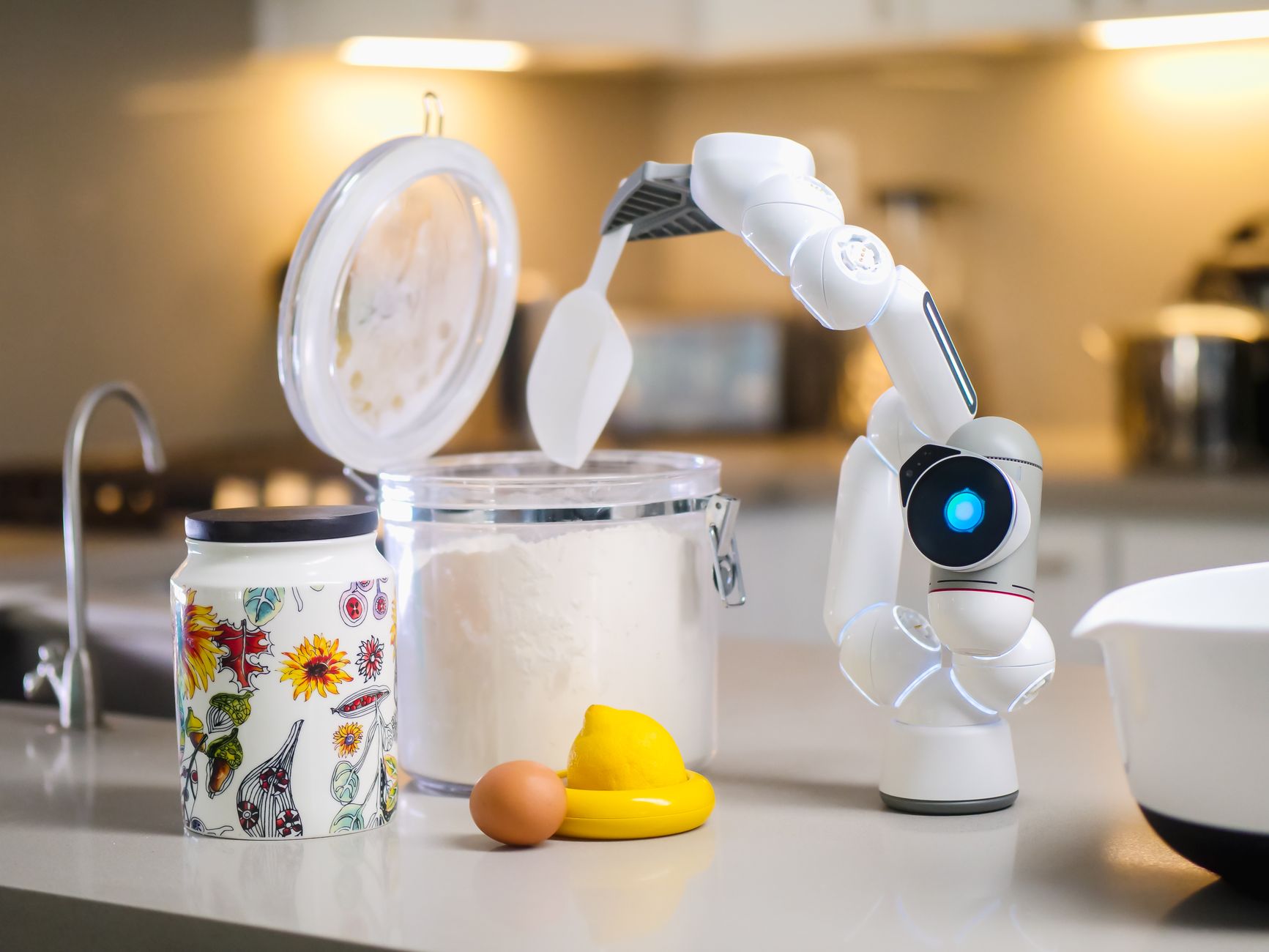
📚 Free Download: Nutrition in the Modern Age
Comprehensive guide to optimizing your diet for contemporary lifestyle demands
Download Free PDF BookFor millennia, humans operated under a simple survival equation: intensive physical labor required substantial caloric intake. Farmers, laborers, hunters, and craftspeople needed multiple meals daily to fuel bodies engaged in relentless physical exertion. The traditional “three meals a day” wasn’t arbitrary—it was survival.
But something fundamental has shifted. We now live in an era where machines lift, transport, calculate, and manufacture for us. Increasingly, artificial intelligence handles cognitive tasks that once demanded intense mental effort. Our ancestors walked miles daily; we drive. They hauled water; we turn taps. They calculated manually; AI processes complex algorithms instantly.
This raises a question that challenges conventional nutritional wisdom: If we’re expending dramatically less physical and mental energy than previous generations, do we actually need to eat as much or as frequently?

The Historical Context: Why Humans Ate Multiple Meals
Understanding our current dietary needs requires examining why multiple daily meals became standard in the first place.
The Agricultural Era: Fueling Physical Labor
Before industrialization, the vast majority of humans performed grueling physical work. Studies of pre-industrial agricultural societies reveal average daily energy expenditures that dwarf modern levels.
Caloric Requirements in Historical Context:
A 19th-century farmer performing manual agricultural work burned approximately 3,500-4,500 calories daily. Logging workers in early 20th-century North America consumed up to 5,000-6,000 calories per day to maintain body weight. Coal miners in Victorian England required similar caloric intake.
Research published in the European Journal of Clinical Nutrition analyzing historical dietary records found that laborers in the 1800s consumed 3,000-4,000 calories daily, compared to the modern average of 2,000-2,500 calories.
The Three-Meal Pattern:
The concept of breakfast, lunch, and dinner emerged from practical necessity:
- Breakfast (“breaking the fast”) provided energy to begin physically demanding work at dawn
- Midday meal replenished depleted glycogen stores after morning labor
- Evening meal supported recovery and preparation for the next day’s exertion
This pattern wasn’t cultural preference—it was physiological necessity. The body required regular caloric input to sustain high physical output.
Pre-Agricultural Societies: The Feast-Famine Cycle
Interestingly, humans evolved under conditions of irregular eating patterns. Hunter-gatherer societies didn’t have consistent meal schedules.
Anthropological Evidence:
Studies of contemporary hunter-gatherer societies like the Hadza of Tanzania and the San people of Southern Africa reveal eating patterns characterized by:
- Periods of abundance following successful hunts (high caloric intake)
- Extended periods of limited food availability (minimal intake)
- No fixed meal times or frequencies
- Opportunistic eating based on food availability
Research published in Obesity Reviews notes that human metabolism evolved mechanisms to handle both feast and famine, suggesting our bodies are physiologically adapted to variable eating patterns.
The Key Point: Humans can thrive on varying meal frequencies. The “three meals daily” norm is a relatively recent cultural development, not a biological requirement.
The Modern Reality: Dramatically Reduced Energy Expenditure
Let’s examine the data on how automation has transformed human energy expenditure.
Physical Activity: Then vs. Now
Occupational Physical Activity Decline:
A comprehensive study published in PLOS ONE (2011) analyzed occupational physical activity trends in the United States from 1960 to 2010. The findings were striking:
- In 1960, approximately 50% of jobs required moderate physical activity
- By 2010, only 20% of jobs involved moderate physical activity
- Jobs requiring high physical activity dropped from 30% to less than 10%
- Sedentary occupations increased from 20% to 70%
Daily Energy Expenditure:
Research comparing total daily energy expenditure (TDEE) across eras:
- 1960s manual laborer: 3,200-3,800 calories/day
- 2025 office worker: 1,800-2,200 calories/day
- Reduction: Approximately 40-50% decrease in daily caloric needs
A study in Mayo Clinic Proceedings found that average daily walking distance has declined from approximately 10,000 steps in pre-automobile societies to 3,000-4,000 steps for typical modern office workers.
Mental Work: Does It Burn Significant Calories?
A common assumption is that intense mental work compensates for reduced physical activity. The science tells a different story.
The Brain’s Energy Consumption:
The human brain represents approximately 2% of body weight but consumes about 20% of total energy at rest. However, this consumption remains relatively constant whether you’re solving complex equations or watching television.
Research Findings:
A landmark study published in Psychosomatic Medicine found that mentally challenging tasks (complex problem-solving, mathematical calculations) increased caloric expenditure by only 3-5 calories per hour compared to rest.
Chess grandmasters competing in tournaments showed elevated caloric burn (up to 6,000 calories over a tournament day), but this was attributed to stress-induced metabolism and prolonged muscle tension, not the cognitive work itself.
The AI Factor:
With AI handling increasingly complex cognitive tasks, even this minimal mental energy expenditure is declining:
- Calculations: Previously done mentally, now instantly computed by AI
- Writing and composition: AI assists with drafting, editing, and structuring
- Data analysis: Complex statistical work now automated
- Problem-solving: AI provides solutions that previously required extensive human cognitive effort
The implication: We’re using our brains less intensively, and brain work never burned significant calories anyway.
Case Study 1: The OMAD Movement (One Meal A Day)
The concept of eating one meal daily has gained traction, with practitioners reporting numerous benefits.
What Is OMAD?
One Meal A Day (OMAD) is an extreme form of intermittent fasting where practitioners consume all daily calories within a single one-hour eating window, fasting for the remaining 23 hours.
Real-World Examples
Blake Horton (Tech Executive):
A software developer who adopted OMAD in 2019 reported:
- Weight loss from 210 lbs to 165 lbs over six months
- Increased mental clarity and focus during fasting hours
- Enhanced productivity (no lunch breaks, no afternoon energy crashes)
- Blood work improvements: reduced inflammation markers, improved lipid profiles
Important Note: Horton works a sedentary desk job, typical of modern knowledge workers.
Research Supporting OMAD:
A study published in Cell Metabolism (2019) examined time-restricted eating in humans and found:
- Eating within a 6-hour window reduced caloric intake by 20% without conscious restriction
- Participants showed improved insulin sensitivity
- Markers of metabolic health improved even without weight loss
The Sedentary Work Connection
OMAD practitioners consistently note they’re able to sustain this pattern specifically because their work is not physically demanding. Multiple online communities of OMAD practitioners reveal a pattern: software engineers, writers, analysts, and other sedentary knowledge workers make up the majority.
The logic aligns with energy balance: If you’re burning 1,800-2,200 calories daily (typical for sedentary work), one substantial meal of 1,500-2,000 calories can meet those needs.
Case Study 2: Japan’s Declining Meal Frequency
Japan provides a fascinating national-scale case study of changing meal patterns corresponding with automation.
Traditional Japanese Eating Patterns
Historically, Japanese workers—particularly farmers and fishermen—consumed multiple meals daily:
- Traditional asa-gohan (breakfast): rice, miso soup, fish
- Hiru-gohan (lunch): substantial midday meal
- Ban-gohan (dinner): largest meal of the day
Modern Shift
A 2023 survey by Japan’s Ministry of Health, Labour and Welfare found:
- 28% of Japanese workers now skip breakfast regularly
- 15% eat only one substantial meal daily
- This trend correlates directly with the shift from manufacturing/agriculture to service/knowledge work
Contextual Factors:
- Japan has one of the world’s highest rates of office automation
- Vending machine culture allows minimal eating throughout the day
- Cultural acceptance of varied eating patterns
Health Outcomes:
Interestingly, Japan maintains one of the world’s highest life expectancies (84.6 years) and low obesity rates (4.3%) despite reduced meal frequency. While correlation doesn’t prove causation, it suggests frequent eating isn’t necessary for health when physical activity is low.
Case Study 3: The Caloric Restriction Society
The Caloric Restriction Society (CRS) comprises individuals who deliberately consume 20-30% fewer calories than standard recommendations, typically eating 1-2 meals daily.
Who They Are
Members are predominantly knowledge workers, researchers, and professionals engaged in sedentary work. The society has approximately 5,000 active members worldwide.
Outcomes
A longitudinal study following CRS members published in Aging Cell found:
- Members maintained healthy weights and body composition
- Biomarkers of aging (inflammation, oxidative stress) were lower than age-matched controls
- No reports of fatigue or reduced cognitive function despite lower intake
- Key factor: Members engaged in minimal physical labor
Dr. Luigi Fontana’s Research:
Dr. Fontana, a leading caloric restriction researcher at Washington University, found that individuals practicing long-term caloric restriction (averaging 1,800 calories daily) showed:
- Reduced risk markers for cardiovascular disease
- Lower blood pressure and cholesterol
- Improved insulin sensitivity
Critically, these individuals were not engaging in high physical activity—their reduced caloric needs aligned with reduced energy expenditure.
The Science: Do We Really Need Less Food?
Let’s examine the physiological principles governing caloric needs.
Basic Energy Balance
The fundamental equation is straightforward:
Energy In = Energy Out + Stored Energy
If energy intake exceeds expenditure, excess is stored as fat. If expenditure exceeds intake, stored energy is mobilized.
Components of Energy Expenditure
Total Daily Energy Expenditure (TDEE) comprises:
- Basal Metabolic Rate (BMR): 60-75% of TDEE
- Energy for basic physiological functions (breathing, circulation, cellular processes)
- Relatively constant regardless of activity
- Thermic Effect of Food (TEF): 10% of TDEE
- Energy used to digest, absorb, and process nutrients
- Exercise Activity Thermogenesis (EAT): 5-15% of TDEE
- Planned physical activity
- Non-Exercise Activity Thermogenesis (NEAT): 15-30% of TDEE
- Spontaneous physical activity (fidgeting, standing, walking for daily tasks)
What Automation Changed
Automation primarily reduced NEAT and EAT—the variable components.
Example Calculation:
1960s Manual Laborer:
- BMR: 1,500 calories
- TEF: 300 calories
- EAT (farm work): 800 calories
- NEAT (walking, manual tasks): 600 calories
- Total: 3,200 calories/day
2025 Office Worker:
- BMR: 1,500 calories (similar)
- TEF: 200 calories
- EAT (gym session): 200 calories
- NEAT (minimal walking, mostly sitting): 100 calories
- Total: 2,000 calories/day
The mathematics is clear: Modern sedentary workers need 35-40% fewer calories than manual laborers.
The Meal Frequency Question
Given reduced caloric needs, does meal frequency matter?
Research Insights:
A systematic review in Nutrition Reviews (2020) analyzing meal frequency and health outcomes found:
- No metabolic advantage to eating 6 small meals vs. 3 larger meals vs. 1-2 meals when total calories are equal
- Meal frequency doesn’t significantly affect metabolic rate
- Individual preference and lifestyle should guide meal timing
A study in The American Journal of Clinical Nutrition found that eating one or two meals daily (vs. three) resulted in:
- No difference in energy expenditure
- No difference in hunger hormones when adjusted to the pattern
- Slight improvement in insulin sensitivity with less frequent eating
The Implication: If you’re consuming 2,000 calories daily, it matters little whether that comes from one meal, two meals, or three—provided nutritional quality is maintained.
The Counterarguments: Why Multiple Meals Might Still Matter
To present a balanced perspective, let’s examine arguments for maintaining traditional meal patterns.
Argument 1: Nutritional Adequacy
The Concern: Consuming all nutrients in one meal makes it difficult to absorb everything effectively.
The Evidence: Research shows mixed results. Some nutrients (particularly fat-soluble vitamins A, D, E, K) may have absorption limits in single doses. However, studies of OMAD practitioners show normal nutritional markers when meals are nutrient-dense.
Nuanced Reality: Nutritional adequacy depends on meal quality, not frequency. A single highly nutritious meal can meet daily needs; multiple nutrient-poor meals cannot.
Argument 2: Blood Sugar Stability
The Concern: Infrequent eating causes blood sugar fluctuations, leading to energy crashes and metabolic issues.
The Evidence: Studies show blood sugar stability depends more on what you eat than when you eat. Research in Diabetes Care found that eating frequency doesn’t significantly affect glucose control when calories and macronutrients are controlled.
Time-restricted eating (including OMAD) actually improved insulin sensitivity in multiple studies.
Nuanced Reality: For individuals with diabetes or metabolic disorders, meal frequency may matter more. For metabolically healthy individuals, infrequent eating doesn’t inherently destabilize blood sugar.
Argument 3: Muscle Maintenance
The Concern: Infrequent protein intake impairs muscle protein synthesis.
The Evidence: This is partially true. Research shows muscle protein synthesis is maximized with protein distributed across multiple meals (particularly for athletes and those engaged in resistance training).
Nuanced Reality: For sedentary individuals (the focus of this discussion), muscle protein synthesis requirements are lower. Studies show one or two protein-rich meals can maintain muscle mass in non-athletes.
Argument 4: Social and Cultural Factors
The Concern: Meals are social activities. Reducing meal frequency isolates individuals from family and cultural practices.
The Evidence: This is a legitimate consideration not addressed by physiology alone.
Nuanced Reality: The question isn’t just “Can we survive on one meal?” but “What quality of life results from that choice?” Social connection matters for wellbeing.
Individual Variation: One Size Doesn’t Fit All
It’s crucial to acknowledge that optimal meal frequency varies by individual circumstances.
Who Might Benefit From Fewer Meals?
Sedentary Knowledge Workers:
- Low daily energy expenditure (1,800-2,200 calories)
- Desk-bound for most of the day
- Minimal physical demands
Individuals Seeking Weight Loss:
- Reduced meal frequency can naturally reduce caloric intake
- Simplifies calorie tracking and portion control
People Who Feel Better Fasting:
- Some individuals report enhanced mental clarity and energy when fasting
- Individual metabolic variations affect how people respond to fasting
Who Should Maintain Multiple Meals?
Physically Active Individuals:
- Athletes, manual laborers, those with active jobs
- Higher caloric needs (3,000+ calories) are easier to meet across multiple meals
Individuals with Certain Medical Conditions:
- Diabetes (may require blood sugar stability from frequent meals)
- Eating disorders (history of restrictive eating)
- Pregnant or breastfeeding women (increased nutritional demands)
Children and Adolescents:
- Growing bodies have higher and more consistent nutritional needs
- Frequent eating supports development
The Role of Personal Preference
Perhaps the most honest answer is: Meal frequency should align with your lifestyle, activity level, and personal wellbeing.
If you work a sedentary job, feel energetic on one or two meals, and maintain healthy weight and biomarkers, there’s no compelling reason to force three meals.
Conversely, if you feel better eating smaller, frequent meals, that’s equally valid—provided total caloric intake matches expenditure.
Practical Considerations for Modern Eating Patterns
If you’re considering adjusting meal frequency based on reduced activity levels, here are evidence-based considerations:
1. Prioritize Nutrient Density
With fewer meals, each meal must be nutritionally complete.
Essential components:
- Protein: 25-35g per meal for muscle maintenance
- Healthy fats: Olive oil, nuts, avocados, fatty fish for hormone production and nutrient absorption
- Complex carbohydrates: Whole grains, vegetables for sustained energy
- Micronutrients: Varied vegetables and fruits for vitamins and minerals
Example One-Meal Structure:
- Large mixed salad with olive oil dressing (vitamins A, C, K, folate)
- Grilled salmon or chicken breast (protein, B vitamins, omega-3s)
- Quinoa or brown rice (complex carbs, fiber)
- Roasted vegetables (minerals, antioxidants)
- Fruit for dessert (vitamin C, fiber)
- Total: ~1,500-1,800 calories, nutritionally complete
2. Monitor Biomarkers
Don’t guess—test.
If changing meal frequency, monitor:
- Weight and body composition
- Energy levels and mood
- Blood work: glucose, lipids, vitamin D, B12, iron
- Performance at work and daily activities
If biomarkers decline or you feel unwell, the pattern isn’t working for you.
3. Transition Gradually
Don’t abruptly shift from three meals to one.
A gradual approach:
- Week 1-2: Delay breakfast by 1-2 hours
- Week 3-4: Skip breakfast, eat brunch and dinner
- Week 5-6: Combine to one or two meals if desired
This allows metabolic adaptation and helps identify what works for your body.
4. Stay Hydrated
Reduced eating doesn’t mean reduced hydration needs.
Water intake recommendations remain constant:
- Minimum 8 glasses (64 oz) daily
- More if exercising or in hot climates
- Coffee and tea count toward hydration (despite diuretic effects)
5. Listen to Genuine Hunger Cues
Distinguish between physiological hunger and habitual eating.
True hunger signals:
- Stomach growling or emptiness
- Difficulty concentrating
- Low energy
Habitual cues:
- “It’s noon, so I should eat”
- Boredom or stress
- Social pressure
Modern sedentary workers often eat from habit rather than need.
The Bigger Picture: Rethinking Our Relationship with Food
The question of meal frequency opens larger philosophical considerations about food in modern life.
Food as Fuel vs. Food as Experience
Historically, food was primarily fuel—energy to perform necessary work. Today, for many in developed nations, food is increasingly entertainment, comfort, and social ritual.
There’s nothing inherently wrong with this shift. But it means we’re eating for reasons beyond physiological need, which explains widespread overeating despite reduced activity.
A Balanced Approach:
- Acknowledge that not all eating must be purely functional
- Recognize when eating is social/pleasurable vs. physiologically necessary
- Allow room for both types of eating while maintaining overall energy balance
The Convenience-Health Paradox
Automation reduced our work burden—an unequivocal good. But it also eliminated incidental physical activity that historically regulated weight naturally.
Historical Regulation:
- Physical work created high caloric needs
- Overeating led to temporary weight gain
- Continued physical work burned excess
- Weight remained relatively stable
Modern Challenge:
- Sedentary work creates low caloric needs
- Food is more available and calorie-dense than ever
- No automatic regulation mechanism
- Weight gain becomes likely without conscious management
The Solution: We must consciously adjust intake to match reduced expenditure—something previous generations didn’t need to do.
Cultural Inertia
Many dietary recommendations were established when most people performed physical labor. These recommendations haven’t fully caught up with modern reality.
Example: The “three meals a day” guideline appears in nutritional advice worldwide, yet it was formalized during industrial-era labor patterns.
As we continue transitioning to automated and AI-assisted work, nutritional guidelines may need updating to reflect actual modern energy expenditure.
The AI Dimension: What Happens When Thinking Becomes Effortless?
The emergence of AI adds a new dimension to this discussion.
Cognitive Offloading and Energy Expenditure
While mental work never burned many calories, AI is changing the effort required:
Pre-AI Knowledge Work:
- Manual research and data gathering
- Complex calculations and analysis
- Writing and editing drafts
- Problem-solving through trial and error
AI-Assisted Knowledge Work:
- AI retrieves and summarizes information
- Instant complex calculations
- AI drafts and suggestions
- AI proposes solutions for evaluation
The Change: We’re shifting from creating to curating and directing. This requires less sustained mental effort.
Potential Long-Term Effects
Speculative but plausible considerations:
Reduced Stress Metabolism: If AI makes work less cognitively stressful, stress-induced caloric burn may decline further.
Attention Economy: As AI handles routine cognitive tasks, human cognitive effort may concentrate on creative and strategic thinking—but for fewer hours daily.
Reduced Occupational Energy Needs: If AI increases productivity, work hours may eventually decrease, further reducing daily energy expenditure.
Projection: It’s conceivable that future workers expending 1,500-1,800 calories daily may find one meal entirely adequate.
Conclusion: Aligning Eating with Modern Energy Expenditure
The historical rationale for multiple daily meals was rooted in high physical energy expenditure. That reality has fundamentally changed.
The Evidence Suggests:
- Modern sedentary workers expend 35-50% fewer calories than pre-automation laborers
- Meal frequency doesn’t significantly affect metabolism when total calories are controlled
- One or two nutrient-dense meals can meet nutritional needs for sedentary individuals
- Individual variation matters—optimal meal frequency depends on activity level, metabolism, and preference
The Principle: Match your eating frequency and quantity to your actual energy expenditure, not to outdated conventions established during the manual labor era.
This Doesn’t Mean:
- Everyone should eat one meal daily
- Three meals is wrong
- Tradition has no value
It Does Mean:
- Question inherited assumptions about nutrition
- Base eating patterns on your actual lifestyle and needs
- Recognize that reduced activity justifies reduced intake
- Understand that food frequency is flexible, not fixed
As automation and AI continue reducing our physical and mental exertion, we may need to continue rethinking dietary norms. The ancestors who ate three hearty meals were fueling bodies engaged in relentless physical work we can scarcely imagine today.
The question isn’t whether we can survive on less frequent eating—clearly we can. The question is what eating pattern supports our health, productivity, and wellbeing given the specific demands (or lack thereof) of modern life.
For many sedentary workers, that may well be one or two substantial, nutrient-dense meals rather than three. Not because fewer meals is inherently superior, but because it aligns with actual energy expenditure in an automated age.
The key is honest self-assessment: How much are you really moving? How much energy do you genuinely need? And how can you structure eating to match that reality while maintaining health and enjoying life?
In an era where machines do our heavy lifting and AI does our calculating, perhaps we can finally eat in alignment with our actual needs rather than the echoes of a more physically demanding past.
📚 Want to Learn More?
Download our complete guide to optimizing nutrition for modern sedentary lifestyles and understanding your true caloric needs
Download Free PDF Book📧 Get More Insights Like This
Join thousands of readers who receive evidence-based personal development tips directly in their inbox.
🌟 Start Your Transformation Today
Ready to take the next step in your personal development journey?
Learn More About Us Browse All Articles