
The Sacred Tapestry: Exploring the World's Major

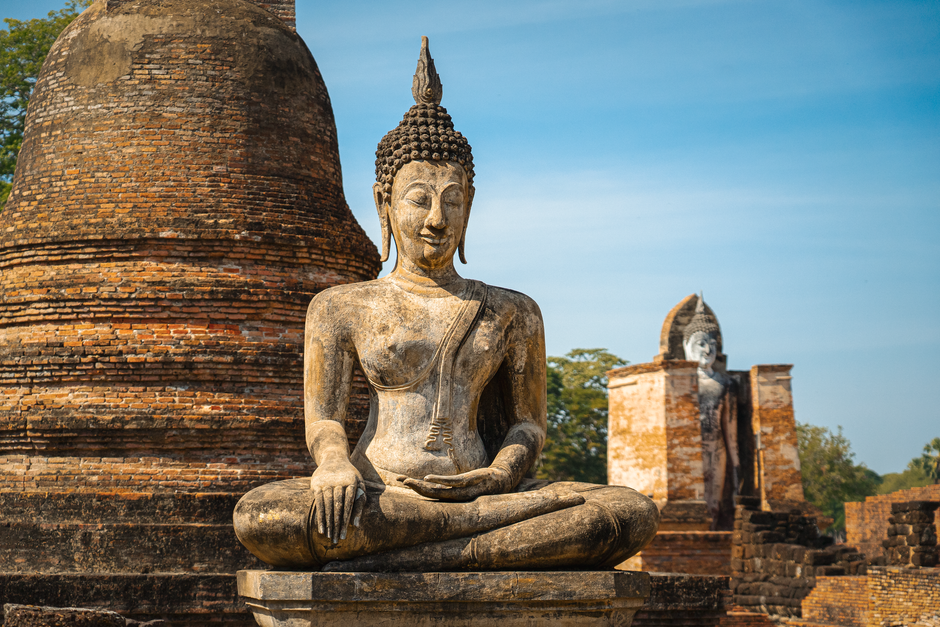
The Sacred Tapestry: Exploring the World’s Major Religions
The Hook: Opening Questions and Key Takeaways
Have you ever wondered how billions of people across the globe find meaning, peace, and purpose through different spiritual traditions? Consider this striking fact: approximately 84% of the world’s population identifies with a religious or spiritual faith tradition—yet misunderstanding and prejudice often separate us rather than unite us.

In this comprehensive exploration, you’ll discover:
- The common threads that unite all major world religions—from the golden rule to compassion and self-transformation
- How each faith tradition offers unique wisdom without diminishing the validity of others
- Practical ways to engage respectfully with people of different beliefs
- Why interfaith understanding strengthens communities and builds a more peaceful world ***
Why Understanding World Religions Matters
The Problem We Face
In an increasingly diverse world, religious misunderstanding fuels conflict, prejudice, and social division. Too often, we relate to other faiths through stereotypes or incomplete information. We see religious differences as sources of conflict rather than opportunities for learning and connection.
The reality is this: misunderstanding breeds fear, while knowledge breeds compassion. When we take time to understand what people actually believe—and why those beliefs matter to them—we discover we have far more in common than we realize. Understanding world religions isn’t about converting or compromising your own faith. It’s about recognizing the shared human search for meaning, ethical living, and connection to something greater than ourselves. ***
The World’s Major Religions: An Overview
The major world religions shape the spiritual lives of billions. Here’s what defines each tradition:
Christianity: The Way of Love and Redemption
With approximately 2.4 billion followers, Christianity centers on the teachings of Jesus Christ and the concept of redemption through faith. Christians view Jesus as the Son of God and Savior of humanity. The faith emphasizes love, forgiveness, and the hope of eternal life. The Bible serves as the sacred text, and the tradition encompasses Catholicism, Orthodoxy, and Protestantism—each with distinct practices and theological emphases.
Islam: Submission to Divine Will
Islam, with nearly 2 billion followers, centers on submission to Allah (God) as revealed through the Prophet Muhammad. The Five Pillars form the foundation of Islamic practice: faith, prayer, charitable giving, fasting during Ramadan, and pilgrimage to Mecca. Muslims believe in the Quran as God’s final revelation and follow a path of spiritual surrender, ethical living, and community support.
Hinduism: The Eternal Path
As one of the world’s oldest religions, Hinduism encompasses diverse beliefs unified by ancient Vedic wisdom, the concept of Brahman (ultimate reality), and the eternal cycle of karma and rebirth. Hindus seek moksha—liberation from the cycle of reincarnation—through various paths including devotion, meditation, and ethical living. The tradition celebrates the divine in multiple forms and emphasizes dharma (duty), karma (action and consequence), and the interconnection of all beings.
Buddhism: The Middle Way
Buddhism, founded on Buddha’s enlightenment and teachings of the Four Noble Truths, offers a practical path to ending suffering. Rather than worshiping a deity, Buddhists focus on meditation, mindfulness, and following the Eightfold Path. The tradition emphasizes compassion for all beings and the pursuit of inner peace through understanding the nature of suffering.
Judaism: The Covenant and the Law
With approximately 14 million followers, Judaism is built on the covenant between God and Abraham, emphasizing ethical monotheism and the Torah. Jewish practice focuses on studying the Torah and Talmud, observing Shabbat, celebrating festivals, and living according to 613 commandments that guide ethical and ritual life. Judaism values both intellectual inquiry and spiritual devotion.
Sikhism: Unity in Diversity
Sikhism, founded by Guru Nanak, emphasizes equality, honest living, and service to others regardless of caste, creed, or gender. Sikhs believe in one God and maintain the Guru Granth Sahib as their eternal teacher. The faith combines elements of Hindu and Muslim thought while maintaining its unique identity, focusing on community service and spiritual devotion.
Other Significant Traditions
Beyond these major religions, the Bahá’í Faith promotes unity among all religions, Jainism exemplifies non-violence taken to its highest form, Shinto connects Japanese spirituality with nature and ancestor veneration, Taoism emphasizes harmony with the Way, and indigenous religions worldwide preserve sacred connections between communities and the land. ***
Common Threads: Universal Teachings That Unite
Despite their differences, all major world religions teach remarkably similar principles:
The Golden Rule: From Christianity’s “Do unto others as you would have them do unto you” to Buddhism’s compassion for all sentient beings to Islam’s emphasis on justice and mercy—every major faith teaches that we should treat others with respect and kindness.
Love and Compassion as Supreme Virtues: Whether expressed through Christian agape, Islamic ihsan (beautiful action), Hindu bhakti (devotion), or Buddhist metta (loving-kindness), all traditions place love and compassion at their spiritual core.
The Search for Ultimate Reality: Every religion acknowledges that there is something greater than ourselves and encourages seekers to connect with ultimate truth—however it’s understood within that tradition.
Ethical Living and Self-Transformation: All faiths emphasize becoming better people through moral discipline, truthfulness, and service. They recognize that spiritual growth requires both inner transformation and ethical action.
Sacred Community and Ritual: Whether through Christian church gatherings, Muslim Friday prayers, Hindu temple celebrations, or Buddhist sangha (community), religions recognize that spiritual practice is enriched through shared community.
Hope and Meaning in Suffering: Each tradition offers frameworks for understanding and transcending suffering, providing comfort and meaning during life’s most difficult moments. ***
Five Practical Ways to Practice Interfaith Understanding
Action Steps You Can Take Today
1. Learn with Genuine Openness Approach religious traditions with curiosity rather than judgment. Read sacred texts, watch documentaries, or listen to scholars explain teachings. Ask yourself: what does this tradition help people understand about meaning, morality, and purpose?
2. Find Common Ground in Values Look for the shared values underlying different traditions. Notice how Christianity’s emphasis on love parallels Buddhism’s compassion or how Judaism’s commitment to justice mirrors Islam’s emphasis on fairness. Recognizing these connections bridges apparent differences.
3. Attend Services and Celebrations Experience the beauty of different traditions firsthand. Visit a mosque during Eid, a synagogue during Shabbat, a Hindu temple during Diwali, or a Buddhist meditation center. Most communities welcome respectful visitors and appreciate genuine interest.
4. Engage with Sacred Texts Read passages from the Bhagavad Gita, the Bible, the Quran, the Torah, or Buddhist sutras. Understanding how different communities find wisdom and guidance through their sacred texts deepens respect for their traditions.
5. Practice the Core Principles You don’t need to convert to benefit from interfaith wisdom. Practice meditation from Buddhist traditions, service from Islamic teachings, self-reflection from Jewish texts, or devotion from Hindu practices. Spiritual wisdom is enriched when we learn across traditions. ***
Addressing Common Objections
Challenge #1: “My Religion Is the Only Truth”
Many people hold this belief sincerely. Respecting interfaith understanding doesn’t require abandoning your own faith convictions. It means acknowledging that people of other faiths hold equally sincere beliefs and deserve respect. You can maintain deep commitment to your own tradition while recognizing the sincerity and value in others’ spiritual journeys.
Challenge #2: “Religions Cause Wars and Conflict”
While religious identities have been invoked in conflicts, the root causes are usually political, economic, or territorial—not theology itself. Moreover, religions have equally inspired peacemaking, justice movements, and humanitarian work. The teachings of every major faith emphasize peace, compassion, and reconciliation. When people follow these core teachings, religions become forces for unity, not division.
Challenge #3: “I’m Not Religious, So This Doesn’t Apply to Me”
Understanding world religions matters for everyone. Whether you’re secular, spiritual but unaffiliated, or agnostic, understanding how 84% of humanity finds meaning enriches your perspective. Plus, recognizing the ethical principles shared across religions provides a common moral language that strengthens all communities. ***
Your Complete Guide to World Religions
To deepen your understanding of these traditions and explore them comprehensively, we’ve created a detailed guide covering the history, teachings, practices, and wisdom of each major religion.
Access Your Complete Guide to World Religions PDF
This guide includes:
- Detailed chapters on each major tradition
- Exploration of common threads uniting all religions
- The unique wisdom each faith brings to humanity
- Practical approaches to respectful interfaith engagement
- Scholarly yet accessible explanations of complex concepts
- Frameworks for understanding religious diversity in our world
Download the Complete PDF Guide Today
Whether you’re deepening your own faith, seeking to understand neighbors of different beliefs, or exploring spirituality for the first time, this guide provides the foundation for meaningful interfaith engagement. ***
Closing: Building Unity Through Understanding
The sacred tapestry of world religions reminds us that humanity’s spiritual journey takes many beautiful paths. While our destinations and practices differ, our fundamental search for meaning, connection, and ethical living unites us across all traditions.
In a world facing unprecedented challenges—from climate change to inequality to social fragmentation—interfaith understanding isn’t a luxury; it’s a necessity. When we approach different beliefs with curiosity, respect, and openness, we build communities stronger than religious silos ever could be.
You don’t need to agree with every teaching of another tradition to honor it. You don’t need to abandon your own faith to respect others’ choices. You simply need to recognize that sincere spiritual seekers across all traditions share your desire to live meaningfully, love deeply, and contribute to a better world.
What’s one step you could take this week to deepen your understanding of a religious tradition different from your own? Whether it’s reading a sacred text, attending a service, or having a respectful conversation with someone of a different faith, each step builds the bridges our diverse world desperately needs.
The sacred tapestry grows richer when we honor each thread.
📧 Get More Insights Like This
Join thousands of readers who receive evidence-based personal development tips directly in their inbox.
🌟 Start Your Transformation Today
Ready to take the next step in your personal development journey?
Learn More About Us Browse All Articles