
Positive Mindset: The Key to Happiness, Health, and Success
Have you ever wondered why some people seem to bounce back from setbacks effortlessly while others struggle to move forward? The answer often lies in something invisible yet incredibly powerful: mindset.
Research shows that 90% of our happiness is determined not by external events, but by how our brain processes the world around us. This means you have far more control over your life satisfaction than you might think.
In this comprehensive guide, we’ll explore the transformative power of positive mindset and reveal science-backed strategies to rewire your thinking patterns. Whether you’re facing challenges at work, struggling with relationships, or simply seeking more joy in daily life, this guide will help you cultivate the mental strength to thrive.

By the end of this post, you’ll understand:
- What positive mindset truly means (and what it doesn’t)
- The neuroscience behind why positive thinking actually works
- Five practical steps to build an unshakeable positive mindset
- How to overcome the most common mental barriers
Why Positive Mindset Matters Now More Than Ever
We’re living in an age of unprecedented stress. Between endless news cycles, social media comparison, economic uncertainty, and personal pressures, our brains are constantly bombarded with reasons to feel anxious, inadequate, or overwhelmed.
The Hidden Challenge
Many people struggle with maintaining a positive outlook because they’ve been conditioned to focus on threats and problems. This negativity bias is actually hardwired into our brains—an evolutionary survival mechanism that helped our ancestors avoid danger.
Common misconceptions include:
- Myth 1: “Positive thinking means ignoring reality” → Reality: True positive mindset acknowledges challenges while focusing on solutions
- Myth 2: “You’re either born optimistic or you’re not” → Reality: Mindset is a skill anyone can develop through practice
- Myth 3: “Positive people never feel negative emotions” → Reality: Positive mindset means processing emotions healthily, not suppressing them
The Real Impact
The cost of negative thinking extends far beyond temporary bad moods:
On your physical health:
- Chronic stress weakens your immune system
- Negative thinking patterns correlate with higher rates of heart disease
- Pessimism is linked to shorter lifespan
On your relationships:
- Negativity creates distance between you and loved ones
- Pessimistic outlook makes collaboration difficult
- Self-criticism often spills over as criticism of others
On your long-term success:
- Fixed mindset limits your willingness to take necessary risks
- Negative self-talk becomes a self-fulfilling prophecy
- Fear of failure prevents you from seizing opportunities
But here’s the good news: your brain is remarkably plastic. Neuroscience has proven that you can literally rewire your neural pathways to support more positive, resilient thinking patterns—at any age.
Understanding Positive Mindset: The Science and Strategy
The Foundation
A positive mindset isn’t about plastering on a fake smile or pretending problems don’t exist. It’s about choosing where to direct your mental energy. Think of it as the difference between:
❌ “This is terrible and there’s nothing I can do” ✅ “This is challenging, but I can figure out a solution”
Research from Stanford University’s Carol Dweck shows that people with a growth-oriented positive mindset achieve significantly more than their equally talented peers who hold fixed, negative beliefs. This means your thoughts directly shape your outcomes.
Key Principles You Need to Know
Principle 1: The Reticular Activating System (RAS)
Your brain has a built-in filter that determines what information gets your conscious attention. When you focus on positive possibilities, your RAS literally filters reality to show you more opportunities.
Why it matters: What you look for, you find. Train your brain to seek solutions, and solutions appear.
Simple example: Ever noticed how when you’re thinking about buying a certain car, you suddenly see that model everywhere? That’s your RAS at work. The same mechanism applies to opportunities and positive experiences.
Principle 2: Neuroplasticity
Your brain creates stronger neural connections for thoughts you repeat frequently. Every time you practice gratitude, reframe a challenge, or celebrate a small win, you’re literally building new neural highways that make positive thinking easier.
Why it matters: Positive mindset becomes more natural the more you practice it—like building a muscle.
Simple example: Just like learning to ride a bike felt impossible at first but became automatic, positive thinking patterns become your default setting with consistent practice.
Principle 3: The Compound Effect
Small positive thoughts may seem insignificant in the moment, but they compound over time to create massive shifts in your life experience. One grateful thought leads to better mood, which leads to kinder interactions, which leads to stronger relationships, which leads to greater life satisfaction.
Why it matters: You don’t need to make drastic changes overnight. Tiny, consistent mindset shifts create extraordinary results.
Simple example: Choosing to say “I get to” instead of “I have to” might feel trivial, but repeating this reframe hundreds of times transforms your entire relationship with daily tasks.
Practical Application
Here’s how these principles work in real life:
Scenario 1: Job rejection
- Challenge: You didn’t get the position you interviewed for
- Application: Instead of “I’m not good enough,” try “This wasn’t the right fit. What can I learn to be even better prepared next time?”
- Outcome: You maintain confidence, gain valuable feedback, and stay motivated to pursue better opportunities
Scenario 2: Relationship conflict
- Challenge: Your partner snapped at you this morning
- Application: Instead of “They’re always so negative,” try “They seem stressed. How can I support them, and what boundaries do I need?”
- Outcome: You respond with empathy instead of defensiveness, creating space for connection instead of escalation
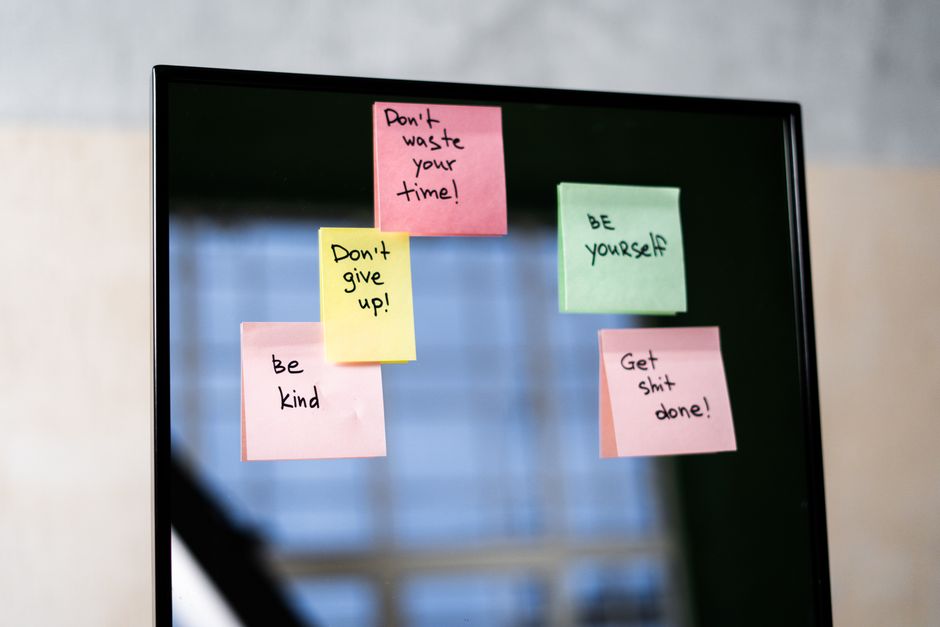
Getting Started: Your 5-Step Action Plan
Ready to begin your positive mindset transformation? Here’s exactly where to start:
Step 1: Morning Mental Reset
What to do: Spend 3-5 minutes each morning writing down three things you’re looking forward to today (even small things like your morning coffee).
Why it works: This activates your RAS to scan for positive experiences throughout the day.
Time needed: 5 minutes
Step 2: Reframe One Negative Thought Daily
What to do: When you catch yourself thinking negatively, pause and ask: “What’s another way to view this situation?”
Why it works: This builds the neural pathways for flexible, solution-focused thinking.
Time needed: 30 seconds per instance
Step 3: Gratitude Practice
What to do: Before bed, list three specific things that went well today and why they mattered.
Why it works: Gratitude rewires your brain to notice positive aspects of your life, creating an upward spiral of wellbeing.
Time needed: 3 minutes
Step 4: Celebrate Small Wins
What to do: Acknowledge every achievement, no matter how minor. Finished a task? Told yourself “Nice work!”
Why it works: Positive reinforcement strengthens desired behaviors and builds self-efficacy.
Time needed: 5 seconds per win
Step 5: Surround Yourself with Positivity
What to do: Audit your environment—media consumption, social connections, physical space. Add more sources of inspiration and reduce drains on your energy.
Why it works: You become the average of what you’re exposed to. Intentional curation protects your mental state.
Time needed: 15 minutes for initial audit, then ongoing small adjustments
Pro Tip: Don’t try to implement all five steps perfectly from day one. Start with just one practice and add others gradually as each becomes habitual.
Overcoming Common Obstacles
As you embark on this journey, you might face some challenges. Here’s how to handle them:
“I don’t have enough time”
Solution: Positive mindset doesn’t require hours of meditation. The practices above take less than 10 minutes total per day. Can you wake up 5 minutes earlier or use time you’d spend scrolling social media? Start with just the morning practice if that’s all you can manage.
“I’ve tried positive thinking before and it didn’t work”
Solution: There’s a crucial difference between toxic positivity (denying reality) and genuine positive mindset (acknowledging reality while focusing on agency). If previous attempts felt fake or forced, you were probably trying to suppress negative emotions rather than process them. This approach honors all feelings while choosing empowering interpretations.
“I don’t know where to start”
Solution: Begin with Step 1—the morning mental reset. It’s simple, takes less than five minutes, and creates immediate shifts in your daily experience. Once this feels natural (usually 2-3 weeks), add Step 2.
“It seems too complicated”
Solution: At its core, positive mindset is actually beautifully simple: notice what you’re thinking, and gently guide your attention toward what serves you. That’s it. All the strategies above are just different ways to practice this one fundamental skill.
“What if bad things really are happening?”
Solution: Positive mindset doesn’t mean pretending problems don’t exist. It means acknowledging difficulties while refusing to catastrophize. Instead of “Everything is falling apart,” try “This is hard, and I’m capable of handling hard things.” See the difference? You’re honoring reality while empowering yourself.
Remember: Building a positive mindset is a practice, not a destination. You won’t be perfect at it, and that’s completely okay. Every time you notice negative thinking and choose to reframe, you’re succeeding—even if the negative thought comes back. Progress, not perfection.
Your Complete Resource: Free PDF Download
While this guide gives you a solid foundation, there’s so much more to explore about cultivating an unshakeable positive mindset.
Our comprehensive free PDF guide, “Positive Mindset: The Key to Happiness, Health, and Success”, includes:
✓ 10 detailed chapters covering the complete psychology of positive thinking ✓ The neuroscience behind mindset transformation—understand exactly how your brain changes ✓ Advanced techniques for breaking free from deeply ingrained negative patterns ✓ The transformative power of gratitude—with specific daily practices ✓ How to use affirmations effectively (most people get this wrong) ✓ Building resilience to bounce back from any setback ✓ Creating positive relationships that uplift and support you ✓ Mindfulness strategies for present-moment awareness ✓ Goal-setting with optimism—achieve more while enjoying the journey ✓ Maintaining your practice long-term—make positive mindset your default setting
View your book free download PDF
Perfect for:
- Anyone struggling with negative self-talk or limiting beliefs
- People facing major life transitions or challenges
- Individuals seeking more joy and fulfillment in daily life
- Parents wanting to model positive mindset for their children
- Leaders looking to create more optimistic, resilient teams
What You’ll Discover Inside
This beautifully formatted guide takes you deep into transformation:
- Understanding True Positive Mindset: Go beyond surface-level positivity to understand the psychological foundations of lasting optimism
- The Neuroscience of Positive Thinking: Discover exactly how thoughts reshape your brain structure and chemistry
- Breaking Free from Negativity: Identify your specific negative patterns and implement targeted strategies to overcome them
- Gratitude as Transformation: Learn the science-backed gratitude practices that create measurable improvements in wellbeing
- The Power of Affirmations: Master the art of self-talk that actually works (with examples and templates)
- Building Unshakeable Resilience: Develop the mental strength to handle whatever life throws at you
- Positive Relationships: Understand how your mindset shapes your connections and how to cultivate uplifting bonds
- Mindfulness and Present-Moment Awareness: Practical techniques to reduce anxiety and increase peace
- Optimistic Goal-Setting: Achieve your dreams while maintaining balance and joy
- Sustaining Your Journey: Create systems that make positive mindset your natural default
Take the Next Step
Your transformation begins the moment you decide that your thoughts don’t control you—you control them.
The strategies in this post will create real change in your life. But if you’re ready to go deeper, to truly master the art of positive mindset and unlock your full potential, the complete guide is waiting for you.
Download your free PDF now and discover how powerful you truly are when you harness the extraordinary capabilities of your mind.
View your book free download PDF ***
What’s one negative thought pattern you’re ready to transform? We’d love to hear about your journey with positive mindset—share your thoughts or questions in the comments below!
Remember: You are far more powerful than any circumstance. Your mindset is the key that unlocks everything.
📧 Get More Insights Like This
Join thousands of readers who receive evidence-based personal development tips directly in their inbox.
🌟 Start Your Transformation Today
Ready to take the next step in your personal development journey?
Learn More About Us Browse All Articles