
Digital Payment Revolution: Mobile Recharge & Bill Payment Systems
The Digital Payment Revolution: How Technology Transformed Bill Payments
The Evolution of Financial Transactions
The way we pay for essential services has undergone a dramatic transformation in the past two decades. What once required visiting physical offices, standing in long queues, and carrying cash has now become a seamless digital process accessible from anywhere at any time. This digital revolution represents one of the most significant shifts in financial accessibility and convenience in modern history.
The journey from traditional payment systems to digital platforms illustrates broader technological trends affecting society. When mobile recharging first emerged as a service, it represented a genuine innovation—the ability to instantly extend your mobile connectivity without visiting a provider’s physical location. Today, this convenience has expanded into comprehensive digital payment ecosystems handling diverse utility payments, transfers, and financial services. ***
Understanding Modern Digital Payment Ecosystems
The Architecture of Digital Transactions
Modern digital payment platforms operate through sophisticated technological infrastructure. When you initiate a transaction on a digital payment app, multiple systems work in concert:
Payment Gateway Integration: Secure APIs connect your payment method to the merchant’s system, encrypting sensitive data throughout the process. These gateways use tokenization—replacing actual card or bank details with unique identifiers—ensuring your financial information never gets stored in vulnerable locations.
Real-Time Processing: Unlike traditional banking systems that batched transactions for processing, modern digital platforms process transactions instantaneously. This requires robust server infrastructure, redundancy systems, and sophisticated database management to prevent errors and ensure reliability.
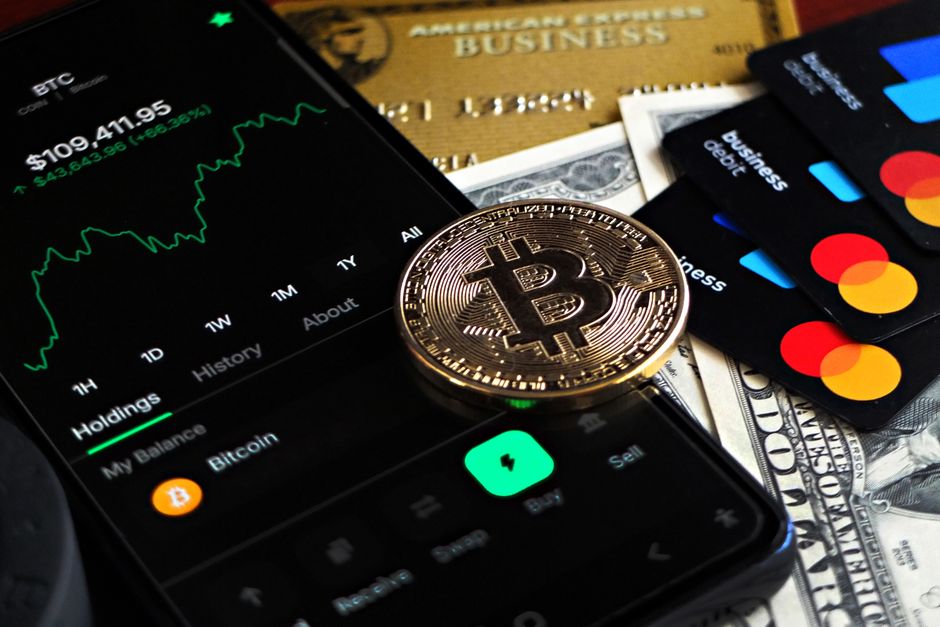
Multi-Channel Support: Modern payment platforms support diverse methods—credit cards, debit cards, mobile wallets, bank transfers, and increasingly, cryptocurrency. This multi-channel approach serves different user preferences and accessibility needs.
Fraud Detection Systems: Advanced machine learning algorithms analyze transaction patterns in real-time, flagging suspicious activities within milliseconds. These systems learn continuously from transaction data, improving their ability to distinguish legitimate from fraudulent transactions.
Security Frameworks in Digital Payments
Data Security: Modern payment platforms implement end-to-end encryption, where data remains encrypted throughout transmission from the user’s device to the payment processor. Even if someone intercepts the transmission, they cannot read the encrypted content.
Authentication Mechanisms: Beyond simple passwords, modern systems employ multi-factor authentication (MFA), biometric verification, and One-Time Passwords (OTPs) to ensure that only authorized users can initiate transactions.
Compliance Standards: Payment platforms must comply with PCI DSS (Payment Card Industry Data Security Standard), international frameworks ensuring payment security. These standards define encryption requirements, network security, access controls, and regular security testing. ***
The Benefits of 24/7 Digital Payment Systems
Convenience and Accessibility
Digital payment platforms operate continuously, removing temporal constraints that plagued traditional systems. Users can:
- Recharge mobile connections at 3 AM if needed
- Pay utility bills during any hour from anywhere with internet connectivity
- Avoid queuing at physical offices, saving hours of time
- Conduct transactions while traveling or during work hours
This accessibility transforms how people manage essential services, enabling bill payments to happen instantly whenever urgent or convenient for the user.
Financial Inclusion
Digital payment platforms have democratized access to financial services. In regions where banking infrastructure is limited, digital payment apps provide essential financial access. Someone without a bank account can now pay bills, transfer money, and engage in digital commerce through a mobile app—a genuine revolution for financial accessibility.
Transaction Transparency
Digital payment systems create permanent, verifiable records of all transactions. Users can instantly access transaction history, receipts, and confirmation details, making financial accountability simpler. This transparency benefits both consumers (who can track expenses) and merchants (who have verified proof of payment).
Cost Efficiency
Eliminating physical infrastructure requirements reduces operational costs. Savings from this efficiency can translate to lower transaction fees for users. Additionally, digital systems reduce the need for physical currency handling, associated security costs, and cash management overhead. ***
The Business Model Behind Fair Commission Structures
Transparency in Digital Commerce
Some modern payment platforms have pioneered equal commission structures, where all users receive the same compensation regardless of transaction volume. This represents a philosophical shift in business design.
Traditional commission models create tiered systems where high-volume merchants receive better rates than individuals, often creating barriers to entry for small business operators. Equal commission models eliminate this gatekeeping, democratizing earning potential.
Economic Impact of Fair Structures
When all participants receive equal commissions, it:
- Removes financial barriers to participation for individuals with limited starting capital
- Emphasizes quality and service rather than scale and negotiating power
- Builds community participation among diverse users rather than concentrating benefits among large operators
- Encourages widespread adoption since earning potential remains consistent for all
This approach reflects broader economic trends questioning whether traditional competitive structures optimally serve all stakeholders, or whether alternative models might better distribute benefits across participants. ***
Technology Powering Modern Payment Systems
Mobile Applications and User Experience
Modern payment apps prioritize user experience design, recognizing that convenience drives adoption. Key features include:
Intuitive Navigation: Users should complete transactions in 2-3 taps without confusion about next steps.
Responsive Design: Apps perform smoothly on older devices and slower internet connections, crucial for accessibility in emerging markets.
Offline Capabilities: Strategic features work offline, syncing when connectivity returns, allowing users to access information even with unreliable internet.
Accessibility Features: Modern apps incorporate text scaling, voice guidance, and color contrast options ensuring usability for diverse users including those with visual or hearing impairments.
Backend Infrastructure and Reliability
The visible mobile app represents only the surface of complex systems operating behind the scenes:
Database Systems: Massive databases store transaction records, user information, and merchant details. Distributed databases replicate information across multiple geographic locations, ensuring that server failures don’t cause data loss.
Load Balancing: During peak hours (like New Year’s Eve or major bill payment days), payment systems handle thousands of simultaneous transactions. Load balancing distributes processing across multiple servers, preventing system overload.
Backup Systems: Redundant systems ensure that if primary systems fail, backup systems activate seamlessly without disrupting service. Users experience no interruption despite infrastructure failures. ***
Emerging Trends in Digital Payments
Artificial Intelligence and Predictive Analytics
AI systems analyze user behavior patterns to:
- Predict when users will likely need specific services (pay salary advance when patterns suggest financial strain)
- Optimize app interfaces based on individual user behavior
- Improve fraud detection through increasingly sophisticated pattern recognition
- Personalize recommendations for financial services
Integration with Digital Wallets
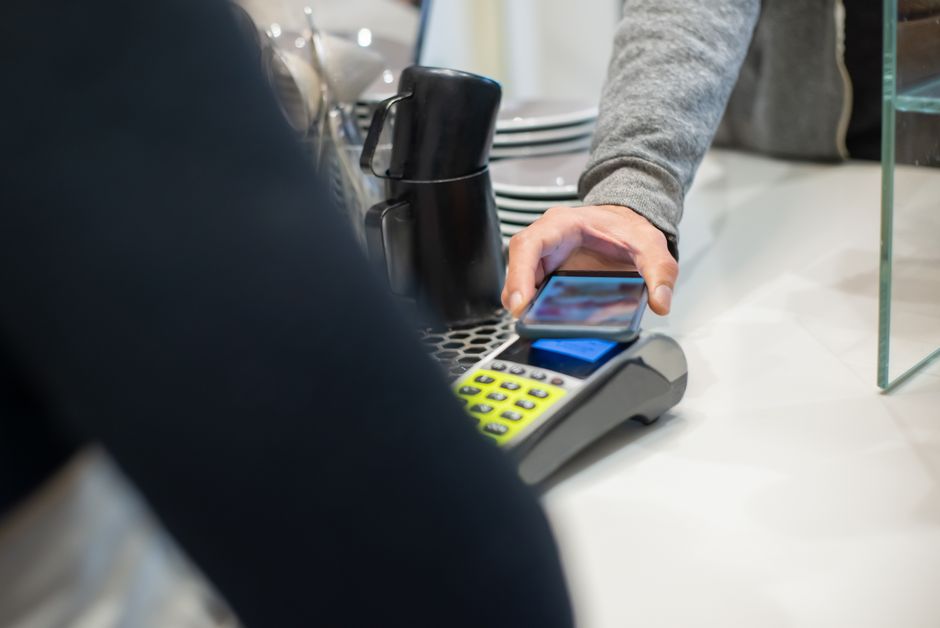
Payment platforms increasingly integrate with digital wallets (Apple Pay, Google Pay, Samsung Pay), allowing users to store payment credentials securely on their devices. This integration adds another security layer while improving convenience.
Cryptocurrency and Blockchain Potential
Some platforms explore blockchain technology for enhanced security, reduced fees through direct peer-to-peer transactions, and cross-border payment capabilities. While cryptocurrency remains volatile, blockchain’s underlying technology offers genuine innovations in transparency and security. ***
Best Practices for Secure Digital Payments
User Responsibility
While platforms implement sophisticated security, users must also practice secure habits:
- Use strong, unique passwords: Complex passwords combining uppercase, lowercase, numbers, and symbols resist brute-force attacks
- Enable two-factor authentication: This second security layer prevents unauthorized access even if passwords are compromised
- Never share OTPs or security codes: Legitimate payment providers never ask for these details
- Use secure networks: Avoid conducting sensitive transactions on public WiFi without VPN protection
- Verify SSL certificates: Look for the padlock icon in your browser, indicating encrypted connections
- Keep apps updated: Security patches address discovered vulnerabilities
For Merchants and Operators
Organizations handling payments must:
- Implement regular security audits and penetration testing
- Train staff on security protocols and phishing awareness
- Maintain PCI DSS compliance and undergo regular certifications
- Establish incident response procedures for potential breaches
- Maintain transparent communication with users about security practices ***
The Future of Digital Payments
The trajectory suggests continued evolution toward frictionless, secure, and inclusive financial services. Future developments likely include:
- Biometric payments using facial recognition or fingerprints without requiring additional authentication
- Voice-activated transactions through smart speakers and AI assistants
- IoT-enabled payments where connected devices automatically initiate payments (subscription renewals, utility bills)
- Decentralized finance potentially reducing reliance on centralized payment processors
- Advanced fraud prevention through behavioral biometrics analyzing unique user patterns ***
Conclusion: Digital Payments as Democratizing Force
The transformation from traditional payment systems to digital platforms represents genuine progress in financial accessibility and convenience. Users can now access essential services instantly from anywhere, creating a more equitable financial ecosystem.
As digital payment technologies continue evolving, principles like fair commission structures, transparent pricing, and user-centric design will likely gain prominence. The most successful platforms won’t compete solely on features but on building trust through transparency, security, and genuine alignment with user interests.
Whether managing utility payments, mobile recharges, or complex financial services, modern digital ecosystems have fundamentally changed how we interact with essential services—making financial management less about logistics and more about smart decision-making.
📧 Get More Insights Like This
Join thousands of readers who receive evidence-based personal development tips directly in their inbox.
🌟 Start Your Transformation Today
Ready to take the next step in your personal development journey?
Learn More About Us Browse All Articles