
Gond Katira (Tragacanth Gum): Complete Nutrition Guide
Gond katira (also known as tragacanth gum) is a natural plant exudate with a remarkable 4,000-year history in traditional medicine, culinary arts, and industrial applications. Obtained from the dried sap of various Astragalus species native to the Middle East and Asia, this translucent gum possesses unique properties—it swells up to 50 times its volume in water, transforming into a gel-like substance with powerful cooling, hydrating, and therapeutic effects. From ancient Persian medicine to modern Ayurvedic and Unani practices, gond katira has been valued for treating heat-related ailments, supporting digestive health, enhancing reproductive wellness, and providing essential nutrients during recovery periods. This comprehensive guide explores the botanical origins, nutritional composition, evidence-based health benefits, traditional uses, and safety considerations of this fascinating natural substance, helping you understand how to incorporate gond katira safely and effectively into your wellness routine.
Botanical and Scientific Background
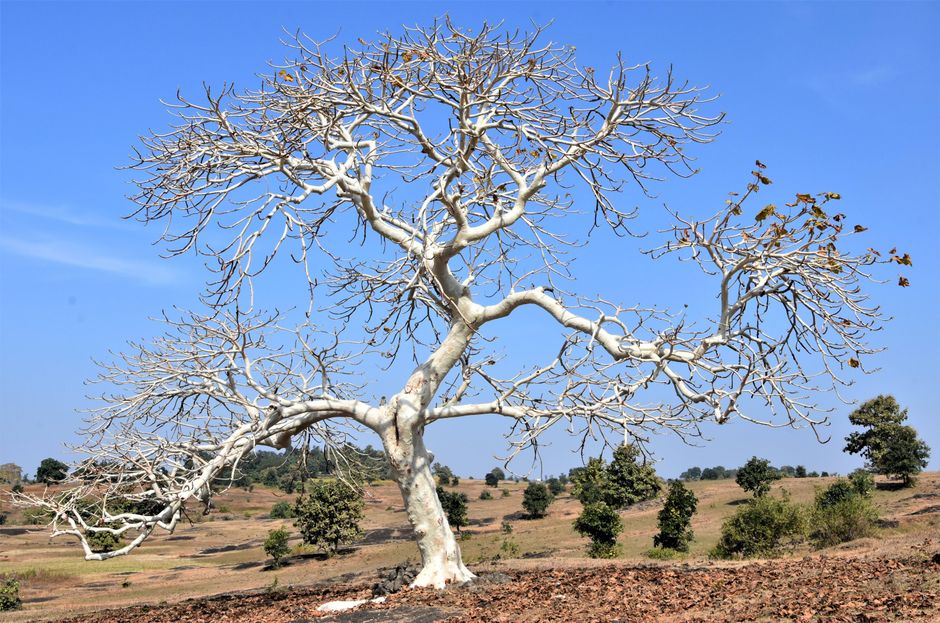
Gond katira is a natural polysaccharide gum exuded from the stems and branches of several Astragalus species when the plant is injured or stressed.
Botanical Classification
Botanical name: Astragalus gummifer, Astragalus microcephalus, Astragalus tragacantha, and several other Astragalus species
Common names: Gond katira (Hindi/Urdu), tragacanth gum, dragon gum, gum elect, shiraz gum
Family: Fabaceae (legume family, also called Leguminosae)
Geographic origin: Indigenous to the mountainous regions of Iran, Iraq, Turkey, Syria, and extending into parts of India and Afghanistan. Iran is the world’s largest producer, particularly from the Zagros Mountains.
Part used: Dried sap/gum that naturally exudes from incisions made in the plant’s bark and stems
Physical and Chemical Characteristics
Appearance: Translucent, odorless, ribbon-like flakes, twisted ribbons, or irregular crystalline pieces
Color: Off-white to pale yellow or light brown, depending on purity and plant species
Texture: Brittle and hard when dry; swells dramatically and becomes soft, gelatinous, and mucilaginous when hydrated
Taste: Bland, neutral, or slightly sweet—making it versatile for both sweet and savory applications
Chemical composition: Primarily composed of complex polysaccharides:
- Tragacanthin (water-soluble fraction, 30-40%): Forms a gel when hydrated
- Bassorin (water-insoluble fraction, 60-70%): Swells in water but doesn’t fully dissolve
- Small amounts of starch, cellulose, proteins, and minerals
Water absorption: Absorbs water rapidly, swelling 30-50 times its original volume to form a viscous, gel-like mass
Nutritional Composition
While gond katira is used in small quantities and isn’t a significant macronutrient source, it provides valuable dietary components:
Dietary fiber: High in soluble fiber, which supports digestive health, blood sugar regulation, and cholesterol management
Minerals: Contains trace amounts of calcium, magnesium, potassium, and iron
Carbohydrates: Primarily complex polysaccharides that provide slow energy release
Calories: Low-calorie food—approximately 35-40 calories per 100 grams of dried gum
Protein: Minimal protein content (2-3%)
Fats: Virtually fat-free
The true value of gond katira lies in its functional properties rather than macronutrient density—its ability to cool the body, retain moisture, support digestion, and provide therapeutic benefits.
Evidence-Based Health Benefits
1. Powerful Natural Cooling Agent
Gond katira is renowned in traditional medicine systems as one of nature’s most effective cooling foods.
Mechanism: In Ayurveda and Unani medicine, gond katira is classified as having Sheeta Virya (cooling potency). When consumed, it helps reduce Pitta dosha (heat and inflammation in the body), lowering internal body temperature.
Practical benefits:
- Prevents heat stroke and heat exhaustion during hot weather
- Reduces excessive thirst and dehydration
- Alleviates burning sensations in the stomach, urinary tract, or skin
- Helps manage heat-induced headaches and dizziness
Traditional use: In India, Pakistan, and Iran, gond katira is soaked overnight and added to cold beverages, sharbats, and desserts during summer months. A popular preparation combines soaked gond katira with rose syrup, milk, and ice for a refreshing cooling drink.
Modern relevance: In regions experiencing extreme heat or among individuals working in hot environments, gond katira provides a natural, safe method to regulate body temperature without pharmaceuticals.
2. Digestive Health and Gastrointestinal Support
The mucilaginous (gel-forming) property of gond katira provides significant digestive benefits.
Soothes the gastrointestinal lining: When hydrated, gond katira forms a protective, soothing gel that coats the esophagus, stomach, and intestinal lining, reducing irritation and inflammation.
Mechanisms:
- Reduces gastric acid contact with stomach walls, alleviating heartburn and acid reflux
- Provides lubrication, facilitating smooth passage of food through the digestive tract
- Protects against ulcers by creating a physical barrier
Mild laxative effect: The soluble fiber in gond katira absorbs water, softening stool and promoting regular bowel movements. This makes it helpful for constipation relief without causing dependency or harsh effects.
Research: Studies on polysaccharide gums show that soluble fiber increases stool bulk, stimulates peristalsis (intestinal contractions), and supports beneficial gut bacteria—all contributing to digestive wellness.
Caution: Excessive consumption may cause bloating or gas due to high fiber content. Start with small amounts and increase gradually.
3. Reproductive and Postpartum Health
Gond katira holds a special place in traditional reproductive health practices, particularly in Unani medicine and Ayurveda.
Postpartum recovery: In Indian, Pakistani, and Middle Eastern cultures, gond katira is a key ingredient in postpartum tonics given to new mothers.
Benefits for new mothers:
- Strengthens the body after childbirth
- Supports lactation (milk production)
- Provides energy and nutrients during recovery
- Helps restore strength and vitality
- Cooling properties prevent excessive postpartum heat
Traditional preparation: Gond katira laddoos (sweet balls) combine soaked gond katira with ghee (clarified butter), nuts (almonds, cashews), edible gums, jaggery or sugar, and warming spices (cardamom, saffron). These nutrient-dense treats are consumed daily for several weeks postpartum.
Male reproductive health: In Unani medicine, gond katira is believed to enhance male virility, support sperm health, and improve sexual stamina. While traditional use is widespread, rigorous scientific studies specifically on gond katira and fertility remain limited.
Female fertility: Some traditional practitioners recommend gond katira to balance reproductive hormones and support overall female reproductive health, though more research is needed.
4. Anti-Inflammatory and Healing Properties
Gond katira demonstrates anti-inflammatory and wound-healing properties, particularly for topical applications.
Mechanism: The polysaccharides in gond katira exhibit demulcent (soothing, protective) and emollient (moisturizing, softening) effects.
External applications:
- Burns and scalds: Applied as a paste or gel to soothe burn injuries, reduce inflammation, and protect damaged skin
- Sunburn: Cooling and hydrating properties provide relief from sunburn pain and redness
- Joint pain and arthritis: Traditional poultices combining gond katira with medicinal herbs are applied to inflamed joints
Internal anti-inflammatory effects: When consumed, gond katira may help reduce systemic inflammation, though more research is needed to confirm specific mechanisms and efficacy.
5. Weight Management and Healthy Weight Gain
Gond katira can serve opposite roles depending on dietary context and preparation.
For healthy weight gain:
Traditional use: Individuals recovering from illness, underweight individuals, or those needing increased caloric intake consume gond katira preparations with ghee, nuts, dried fruits, and sugar. These calorie-dense combinations provide easily digestible energy.
Benefits:
- Gentle on digestion while providing sustained energy
- Nutrient-rich when combined with nuts and ghee
- Supports muscle recovery and strength building
For weight management (potential):
Satiety: The high fiber content and gel-forming properties may promote feelings of fullness, potentially reducing overall calorie intake.
Blood sugar regulation: Soluble fiber slows glucose absorption, helping stabilize blood sugar and reduce cravings.
Mechanism: Fiber swells in the stomach, creating physical fullness and delaying gastric emptying.
Important note: Gond katira itself is low-calorie, but traditional preparations often include high-calorie ingredients. Choose recipes based on your health goals.
6. Skin Health and Cosmetic Benefits
Gond katira has been used in traditional cosmetics and skincare for centuries.
Hydration and moisture retention: Applied topically as a paste or mask, gond katira’s mucilage deeply hydrates skin, making it useful for dry skin, eczema, and skin irritation.
Benefits:
- Improves skin elasticity and suppleness
- Provides anti-aging effects by maintaining skin moisture
- Helps treat acne by soothing inflammation and providing gentle hydration
- Reduces puffiness and dark circles when applied around eyes
Traditional preparations: Gond katira paste combined with rose water, milk, or honey creates hydrating, soothing face masks.
Modern cosmetics: Tragacanth gum is used in commercial creams, lotions, and hair products as a natural thickener, emulsifier, and moisturizer.
Traditional Medicine Systems and Gond Katira
Ayurvedic Perspective
In Ayurveda, gond katira is known as Katira gond or Shiraz gond.
Properties:
- Rasa (taste): Sweet (Madhura)
- Virya (potency): Cooling (Sheeta)
- Vipaka (post-digestive effect): Sweet
- Dosha effect: Balances Pitta (heat) and Vata (dryness), may increase Kapha (mucus) in excess
Traditional uses: Cooling summer drinks, digestive tonics, reproductive health, skin treatments
Unani Medicine Perspective
In Unani medicine (Greco-Arabic traditional medicine), gond katira is called Katira or Gond-e-Katira.
Temperament: Cold and moist
Traditional uses:
- Cooling agent for fevers and heat-related conditions
- Aphrodisiac and reproductive tonic
- Demulcent for urinary tract inflammation
- Laxative for constipation
- Emollient for skin conditions
Persian and Middle Eastern Medicine
Historical use: Tragacanth has been used in Persian medicine for over 2,000 years, mentioned in ancient medical texts.
Applications: Cooling beverages, medicinal syrups, poultices, and as a binding agent in herbal formulations.
Culinary Uses and Popular Preparations
Summer cooling drinks (Sharbat): Soak 1-2 teaspoons gond katira overnight. Mix the swollen gel with rose syrup, milk or water, sugar, and ice. Add basil seeds (sabja) or chia seeds for additional texture and nutrition.
Ice creams and frozen desserts: Gond katira acts as a natural thickener and emulsifier, improving texture and preventing ice crystal formation.
Laddoos and traditional sweets: Combine soaked gond katira with ghee, roasted nuts (almonds, cashews, pistachios), edible gums, jaggery or sugar, coconut, and spices (cardamom, saffron). Form into balls for nutrient-dense energy treats.
Kheer (rice pudding): Add soaked gond katira to milk, rice, sugar, and cardamom for enhanced creaminess and cooling properties.
Smoothies and drinks: Blend soaked gond katira into fruit smoothies for added fiber and gel-like texture.
Falooda: A popular South Asian dessert drink combining gond katira with vermicelli, rose syrup, milk, ice cream, and basil seeds.

Industrial and Non-Food Applications
Pharmaceuticals: Used as a binder, emulsifier, and suspending agent in tablets, lozenges, and liquid medications.
Cosmetics: Found in creams, lotions, hair gels, and face masks as a thickener and moisturizer.
Textiles: Historically used as a stiffening agent and sizing in fabric production.
Food industry: Natural thickener, stabilizer, and emulsifier in ice creams, sauces, and dressings.
Art and calligraphy: Used in watercolors, inks, and adhesives for centuries.
How to Prepare and Use Gond Katira
Basic preparation:
- Take 1-2 teaspoons of dried gond katira flakes
- Soak in 1 cup of water overnight (8-12 hours) or for at least 5-6 hours
- The gum will swell into a translucent, jelly-like mass
- Rinse well under running water to remove any impurities or residual smell
- Use in drinks, desserts, or consume directly
Dosage: 1-2 teaspoons daily of soaked gond katira is generally safe for most adults. Start with smaller amounts to assess tolerance.
Best consumed: During summer months or in hot climates for maximum cooling benefits. Can be consumed year-round for digestive or other health benefits.
Storage: Store dried gond katira in an airtight container in a cool, dry place. Properly stored, it remains viable for months to years.
Safety, Precautions, and Side Effects
Generally safe: Gond katira is considered safe for most people when consumed in moderate amounts as part of food or traditional remedies.
Potential side effects:
Digestive discomfort: Excessive consumption may cause bloating, gas, abdominal cramps, or diarrhea due to high fiber content.
Allergic reactions: Individuals with legume allergies or sensitivities to plant gums should exercise caution. Allergic reactions may include itching, rash, or respiratory symptoms (rare).
Choking hazard: Always soak gond katira thoroughly before consumption. Dry, unsoaked pieces are hard and could pose a choking risk or cause intestinal blockage.
Pregnancy and breastfeeding: While traditionally used postpartum, pregnant women should consult healthcare providers before consuming gond katira, as safety data during pregnancy is limited.
Medication interactions: Gond katira may slow absorption of oral medications if consumed simultaneously. Take medications at least 1-2 hours before or after gond katira.
Quality concerns: Purchase from reputable sources to ensure purity and avoid contamination with adulterants or impurities.
Where to Find Gond Katira
Availability: Gond katira is widely available in:
- Indian, Pakistani, and Middle Eastern grocery stores
- Ayurvedic shops and herbal medicine stores
- Online retailers (Amazon, specialty spice websites)
- Health food stores carrying traditional remedies
Labels: May be sold as “Tragacanth Gum,” “Edible Gum,” “Gond Katira,” or “Katira Gond.”
Price: Generally affordable, typically $5-15 for 100-200 grams.
Quality indicators: Look for translucent, off-white to pale yellow ribbons. Avoid heavily discolored or impure-looking products.
Conclusion
Gond katira (tragacanth gum) represents a remarkable intersection of traditional wisdom and functional food science. For thousands of years, cultures across the Middle East, South Asia, and beyond have relied on this natural plant exudate for its powerful cooling properties, digestive support, reproductive health benefits, and skin-healing applications. Rich in soluble fiber and unique polysaccharides, gond katira swells dramatically in water to form a soothing, gel-like substance that cools the body, protects the gastrointestinal lining, relieves constipation, and provides hydration during hot weather. Whether consumed as a refreshing summer beverage, incorporated into postpartum recovery foods, or applied topically for skin health, gond katira offers versatile, evidence-supported benefits rooted in centuries of traditional use. By understanding proper preparation methods, appropriate dosages, and safety considerations, you can safely incorporate this ancient natural remedy into modern wellness practices—connecting with traditional healing wisdom while supporting your health naturally and effectively.
📧 Get More Insights Like This
Join thousands of readers who receive evidence-based personal development tips directly in their inbox.
🌟 Start Your Transformation Today
Ready to take the next step in your personal development journey?
Learn More About Us Browse All Articles