
Self-Growth Tips and Mental Health: A Detailed Information Guide


The Journey of Self-Growth: A Lifelong Commitment
Personal growth is not a destination—it’s a lifelong journey of continuous improvement and transformation. Whether you’re just beginning your self-development path or you’re looking to deepen your practice, understanding the connection between self-growth and mental health is essential. This comprehensive guide will equip you with practical strategies, actionable tips, and proven habits to accelerate your personal development while maintaining strong mental wellness.
What is Self-Growth?
Self-growth encompasses the deliberate process of developing your potential through continuous improvement, enhanced self-awareness, and intentional habit formation. It involves:
- Self-awareness: Understanding your values, strengths, weaknesses, and patterns of behavior
- Reaching your potential: Maximizing your capabilities in all life areas
- Building resilience: Creating emotional and mental strength to handle challenges
- Creating positive change: Making intentional shifts in how you think and act
True self-growth integrates all dimensions of your life—mental, emotional, physical, and spiritual—creating a holistic approach to becoming your best self.
Why Mental Health is the Foundation for Growth
You cannot build lasting self-growth on an unstable mental health foundation. Mental health is not just the absence of illness; it’s the active state of emotional well-being, resilience, and psychological strength that allows you to pursue growth effectively. When you prioritize mental health, you:
- Remove emotional barriers that block progress
- Develop the clarity needed for meaningful goal-setting
- Build the confidence to take risks and embrace challenges
- Create sustainable motivation for long-term change
Key Areas of Self-Growth
Emotional Intelligence
Develop greater awareness of your emotions and others’. This includes recognizing emotional triggers, managing reactions, and building empathy in your interactions.
Mindset Development
Cultivate a growth mindset that views challenges as opportunities rather than threats. Believe in your ability to develop skills through effort and learning.
Skill Building
Invest in continuous learning across areas that matter to you—professional skills, creative talents, practical abilities, or intellectual pursuits.
Relationship Quality
Nurture authentic connections with people who support your growth. Healthy relationships fuel motivation and provide accountability.
Physical Wellness
Recognize that body and mind are connected. Regular exercise, quality sleep, and nutritious eating directly impact mental clarity and emotional resilience.
Financial Literacy
Build financial awareness and security. Money stress is a major mental health concern; gaining control reduces anxiety and opens opportunities for growth.
Spiritual Growth
Connect to something larger than yourself—whether through meditation, nature, community service, or faith. This creates meaning and purpose.
Practical Strategies for Immediate Implementation
Set Clear, Written Goals
Write down specific goals using the SMART method (Specific, Measurable, Achievable, Relevant, Time-bound). Break large goals into small, daily actions you can accomplish today.
Practice Daily Reflection
Dedicate 10 minutes each day to journaling. Reflect on your thoughts, feelings, and behaviors. Use prompts like: “What did I learn today?” or “Where did I show progress?”
Read Widely and Intentionally
Build a reading habit focused on personal development, psychology, philosophy, and inspiring stories. Knowledge compounds over time and reshapes your thinking.
Seek Feedback Actively
Ask trusted people for honest feedback about your growth areas. Outside perspectives reveal blind spots and accelerate learning.
Embrace Failure as a Teacher
Reframe failures as feedback, not defeats. Every setback contains valuable information about what works and what doesn’t.
Practice Gratitude Daily
Write down three things you’re grateful for each morning. This rewires your brain to notice the positive and builds emotional resilience.
Meditate and Practice Mindfulness
Even 10 minutes daily of meditation or mindful breathing reduces anxiety, improves focus, and increases emotional control. Try the 4-4-6 breathing technique: inhale for 4 seconds, hold for 4, exhale for 6.
Establish Healthy Boundaries
Learn to say “no” without guilt. Protecting your time, energy, and peace is essential for sustainable growth and mental wellness.
Commit to Continuous Learning
Explore new ideas through books, podcasts, documentaries, or learning communities. Growth requires constant exposure to fresh perspectives and knowledge.
Find a Mentor or Coach
Learn from someone ahead of you on a similar path. Mentorship accelerates growth and provides guidance through challenges.
Know When to Seek Professional Support
Recognize that reaching out to a therapist or counselor is a sign of strength, not weakness. Professional mental health support accelerates growth and provides evidence-based tools for managing life’s deeper challenges effectively.
Building Supporting Habits
Morning Routine: Start with intention. Avoid your phone for 30 minutes. Practice a brief affirmation and mindfulness breathing to set a positive tone.
Evening Review: Spend 5-10 minutes reviewing your day. What went well? What will you improve tomorrow? Celebrate small wins.
Weekly Planning: Set aside time each week to review goals, plan priorities, and prepare for the week ahead. Assess what’s working and what needs adjustment.
Monthly Goals: Establish one major focus area each month. This prevents overwhelm and creates measurable progress you can track.
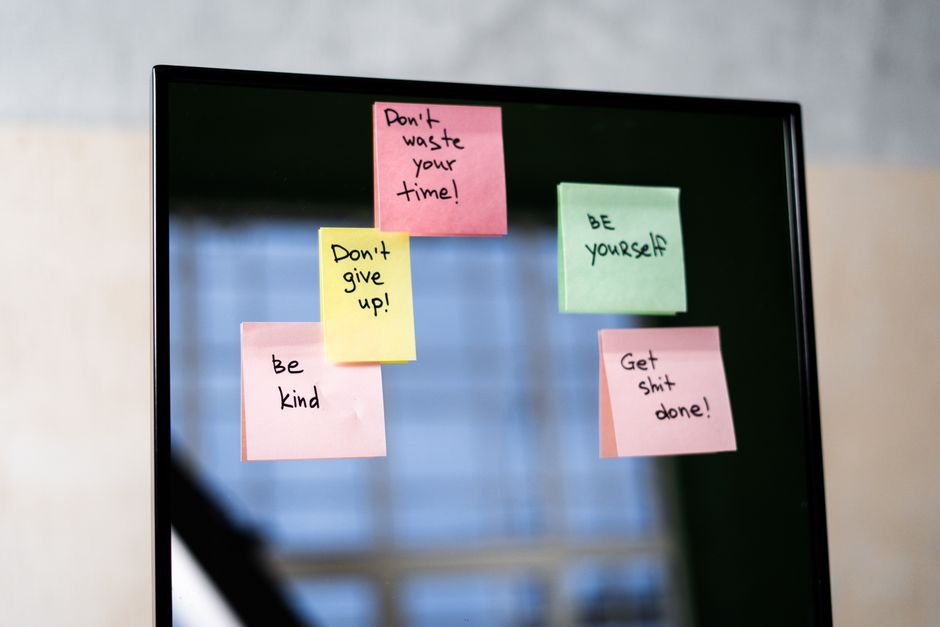
Overcoming Common Obstacles
Self-doubt: Combat this by celebrating small wins and reminding yourself of past successes. Keep a “wins journal” to reference when doubt creeps in.
Fear of Change: Start small. Tiny changes feel less threatening and build momentum. A 1% improvement repeated is powerful over time.
Lack of Time: Growth doesn’t require hours. Consistent 10-minute daily actions create remarkable results. Quality beats quantity.
No Support System: Build one intentionally. Connect with online communities, find an accountability partner, or work with a coach who believes in you.
Measuring Your Progress
Journaling reveals patterns and progress you might otherwise miss. Review past entries monthly to see how far you’ve come in your journey.
Track specific metrics: habit completion, books read, meditation days, goals achieved. Visible progress motivates continued effort.
Celebrate wins, no matter the size. Acknowledge every step forward. This builds positive momentum and reinforces your commitment to growth.
Mental Health Resources and Professional Support
Don’t hesitate to seek professional help when needed. Therapists, counselors, and mental health coaches provide expert guidance tailored to your unique challenges and circumstances. Whether you’re addressing anxiety, depression, relationship issues, or simply want to optimize your mental wellness, professional support accelerates your growth journey significantly. Explore different options—therapy, coaching, support groups, or wellness programs—to find the approach that resonates most with you and your needs.
Moving Forward
Self-growth and mental health are interconnected practices that require consistency, self-compassion, and patience. Start with one or two strategies from this guide. Build momentum through small, sustainable changes. Remember: progress, not perfection, is the goal.
You have everything within you to become the person you aspire to be. The only question is: will you start today?
Frequently Asked Questions (FAQ)
Q: How much time does self-growth actually require each day?
A: Meaningful growth doesn’t require hours—consistent 10-minute daily actions like journaling, gratitude practice, or mindful breathing can create remarkable results over time. Quality and consistency matter more than the amount of time invested.
Q: What’s a simple way to start a daily mindfulness practice?
A: Try the 4-4-6 breathing technique: inhale for 4 seconds, hold for 4 seconds, and exhale for 6 seconds. Even 10 minutes of this kind of mindful breathing daily can reduce anxiety, improve focus, and strengthen emotional control.
Q: When should I consider seeking a therapist instead of relying on self-help strategies?
A: Reaching out to a therapist or counselor is a sign of strength, not weakness, and is especially worthwhile when self-doubt, anxiety, or depression feel too difficult to manage alone. Professional support provides evidence-based tools that can accelerate the growth strategies outlined in this guide.
Conclusion
Self-growth and mental health are inseparable—lasting personal development is built on a foundation of emotional stability, self-awareness, and consistent small habits like journaling, gratitude, and mindful breathing. Start with just one or two strategies from this guide, such as SMART goal-setting or a daily reflection practice, and build momentum gradually rather than trying to overhaul your life overnight. Remember that seeking professional support when needed is part of the growth process, not a departure from it. ***
Disclaimer: This article is for informational purposes only. Please consult with a qualified healthcare provider for medical advice.
📧 Get More Insights Like This
Join thousands of readers who receive evidence-based personal development tips directly in their inbox.
🌟 Start Your Transformation Today
Ready to take the next step in your personal development journey?
Learn More About Us Browse All Articles