Psychological Self-Image: Building Confidence and Self-Worth
Introduction to Self-Image
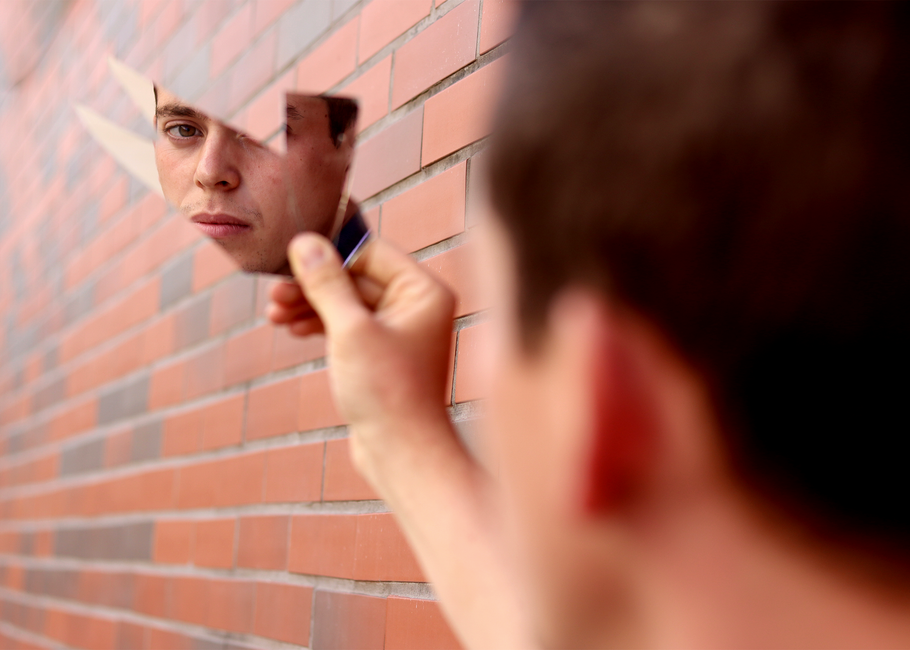
Self-image is the mental picture you hold of yourself — how you see yourself mentally, emotionally, socially, and physically. It’s not based on objective reality, but rather on your perceptions, beliefs, and experiences. This internal narrative shapes everything from your confidence levels to your relationships and career choices. Unlike what many people think, your self-image is not fixed; it’s dynamic and can be reshaped through awareness and intentional effort.
Components of Self-Image
Self-image consists of several interconnected dimensions:
Physical Self reflects how you perceive your body, appearance, and health. This goes beyond actual physical traits to include how you feel about them.
Social Self is how you believe others perceive you and how you act around them. It includes your sense of belonging and social worth.
Academic/Professional Self encompasses how you view your abilities, intelligence, and competence in learning and work environments.
Ideal Self represents who you wish to become — your aspirations, values, and goals. The gap between your current self-image and ideal self matters significantly.
Personal Self includes the traits you believe define your personality and character. This might include qualities like kindness, creativity, leadership, or resilience.
How Self-Image Develops
Your self-image doesn’t appear overnight. It develops gradually through multiple influences:
Childhood experiences provide the foundation. Messages from parents, teachers, and peers shape how you see yourself early on. Positive reinforcement builds confidence, while criticism or neglect can create limiting beliefs.
Life experiences continuously refine your self-image. Success builds confidence, while failures or rejection can damage self-perception if not processed healthily.
Social comparisons influence how you view yourself. You naturally compare yourself to peers, celebrities, and people on social media. These comparisons can either motivate or discourage you.
Cultural and family values shape what aspects of yourself feel important or valuable. Different cultures emphasize different qualities, affecting which parts of self-image feel significant.
Positive vs. Negative Self-Image
A positive self-image creates a foundation for mental health, strong relationships, and achievement. People with healthy self-image tend to be resilient, set appropriate boundaries, pursue meaningful goals, and handle setbacks constructively.
A negative self-image can trap you in cycles of self-doubt, anxiety, and depression. It affects your willingness to take risks, pursue opportunities, and invest in relationships. However, recognizing a negative self-image is the first step toward change.
Signs of Low Self-Image
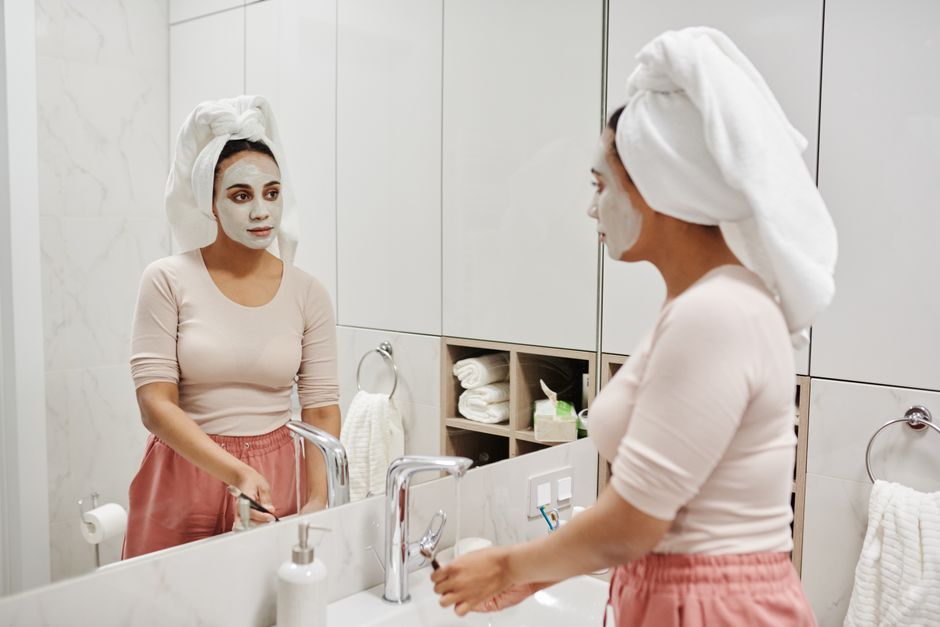
Be aware of these indicators that your self-image may need work:
- Constant self-criticism and negative self-talk
- Perfectionism and inability to accept mistakes
- Difficulty accepting compliments
- Excessive people-pleasing and boundary violations
- Avoidance of challenges or new opportunities
- Social anxiety or withdrawal
- Excessive reliance on others’ approval
- Physical neglect of yourself
How to Improve Your Self-Image
Challenge Negative Thoughts
Identify distorted thinking patterns. When you catch yourself thinking “I’m a failure,” ask: Is this absolutely true? What evidence contradicts this? Replace automatic negative thoughts with balanced, realistic ones.
Practice Self-Compassion
Treat yourself with the same kindness you’d offer a good friend. Acknowledge that struggles and imperfections are part of being human, not evidence of worthlessness. Self-compassion is more powerful than harsh self-criticism for driving positive change.
Set Realistic Goals
Achieve small wins by setting achievable goals. Each accomplishment reinforces your competence and builds self-trust. Start small and progressively challenge yourself.
Focus on Strengths
Identify and regularly acknowledge your genuine strengths and abilities. Keep a strengths journal and review it when doubt creeps in. This shifts your focus from what’s wrong to what’s right about you.
Limit Social Media
Social media presents curated, unrealistic versions of others’ lives. Reduce scrolling time and be selective about who you follow. Focus on accounts that inspire rather than demoralize you.
Use Positive Affirmations
Create affirmations grounded in reality and what you’re working toward. Instead of generic statements, use specific ones like “I am learning to trust my abilities” or “I am worthy of kindness from myself and others.”
Seek Professional Help
Therapy and counseling provide powerful tools for addressing deep-seated insecurities, trauma, or anxiety affecting your self-image. A therapist can help you identify where negative beliefs come from and transform them.
The Role of Social Media
Social media significantly impacts self-image in the modern age. Constant exposure to filtered, edited versions of others’ lives creates unrealistic comparison points. This distorts self-perception and contributes to anxiety, depression, and body image issues. Set boundaries with social media use and remember that what you see online is carefully curated, not reality.
Self-Image vs. Self-Esteem
While related, these concepts differ. Self-image is your belief about who you are — your descriptive self-concept. Self-esteem is the emotional value or worth you attach to that self-image. You can have a clear self-image but low self-esteem, or vice versa. Both matter for psychological health.
The Importance of a Healthy Self-Image
A healthy self-image serves as the foundation for resilience, happiness, and success. It enables you to:
- Pursue meaningful goals without excessive fear
- Build authentic relationships based on mutual respect
- Handle criticism constructively
- Maintain mental health and emotional stability
- Make decisions aligned with your values
- Bounce back from failures and setbacks
Your self-image is not fixed or permanent. With awareness, compassion, and consistent effort, you can reshape it into something healthier, truer, and more empowering.
Conclusion
Building a healthy self-image is a lifelong journey, not a destination. Start today by choosing one area to work on. Whether it’s challenging negative thoughts, practicing self-compassion, or limiting social media exposure, small consistent changes compound over time. Remember that the way you see yourself directly influences how you experience life. Invest in developing a self-image that serves your growth, happiness, and authentic expression.
📧 Get More Insights Like This
Join thousands of readers who receive evidence-based personal development tips directly in their inbox.
🌟 Start Your Transformation Today
Ready to take the next step in your personal development journey?
Learn More About Us Browse All Articles