
Information about neuroplasticity.

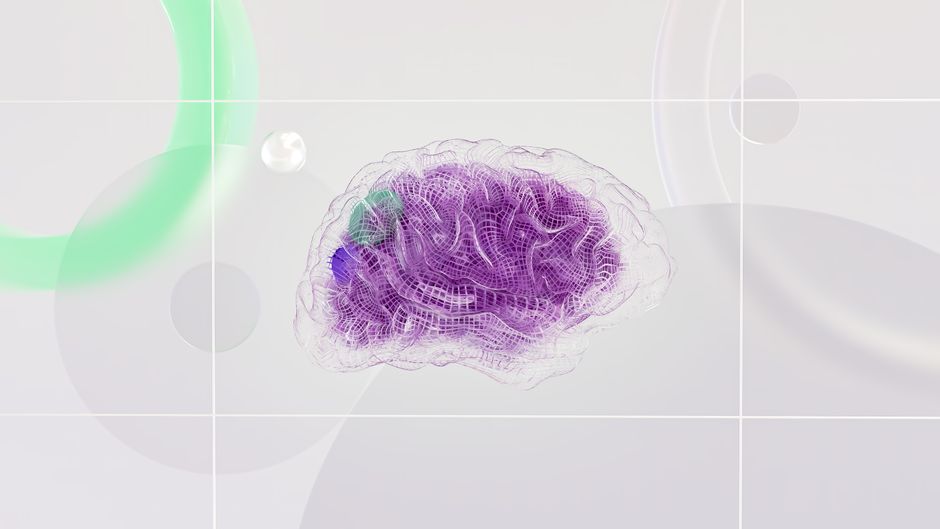
Neuroplasticity refers to the brain’s ability to change and adapt in response to experiences, learning, and environmental influences. It is the brain’s capacity to reorganize itself by forming new neural connections throughout life. This process is essential for learning, memory, recovery from brain injuries, and adapting to new situations.
Introduction
Key Concepts of Neuroplasticity:
Synaptic Plasticity:
Neuroplasticity occurs at the synaptic level, where neurons (brain cells) communicate with each other. New experiences or learning strengthen these synapses, while unused synapses may weaken or disappear.
Structural Plasticity:
This involves the physical changes in the brain’s structure, such as the growth of new neurons (neurogenesis) or the development of new connections between neurons. Brain regions can increase or decrease in size depending on the type of activity or learning involved.
Functional Plasticity:
Functional plasticity refers to the brain’s ability to shift functions from damaged areas to undamaged areas. For example, after a stroke, other parts of the brain may take over the functions of the damaged areas, allowing for recovery.
Types of Neuroplasticity:
Experience-Dependent Plasticity:
Changes in the brain occur as a result of learning new skills or experiences. For example, musicians or athletes develop enhanced neural pathways related to their practice over time.
Experience-Expectant Plasticity:
Certain types of plasticity occur during early development when the brain is “expecting” certain types of environmental input, such as language exposure or sensory stimuli.
Adaptive Plasticity:
This is the brain’s ability to adapt to injuries or new conditions. For instance, in people who lose their vision, areas of the brain that process visual information may be repurposed to enhance other senses like hearing or touch.
Benefits of Neuroplasticity:
Learning and Memory:
Neuroplasticity allows individuals to learn new information, skills, and languages, and to develop habits. It’s fundamental for the brain’s ability to store and retrieve memories.
Recovery from Brain Injuries:
After injury (such as a stroke or trauma), neuroplasticity enables the brain to reorganize and compensate for lost functions by creating new pathways.
Adaptation to New Experiences:
Neuroplasticity is what makes it possible for humans to adapt to new environments, challenges, and lifestyles. For instance, moving to a new country and learning a new language involves creating new neural networks.
Mental Health Improvement:
Positive changes in the brain can be induced through practices like mindfulness, therapy, or learning, which can help reduce symptoms of depression, anxiety, and other mental health issues.
Deeper Dive: The Power of Challenge and Novelty
The brain thrives on novelty and challenge. When you engage in new activities, your neurons must form fresh connections and strengthen weakened pathways. This is why learning something completely unfamiliar—whether it’s a new language, musical instrument, or sport—creates more dramatic neuroplasticity than repeating something you already know.
The key principle is that your brain changes in response to demands placed on it. When you push beyond your comfort zone, you trigger neurogenesis and strengthen synaptic connections in ways that routine tasks simply cannot match.

Age and Neuroplasticity: Never Too Late
One of the most inspiring discoveries in neuroscience is that neuroplasticity doesn’t have an expiration date. While the brain is indeed most malleable during childhood and adolescence, adults at any age retain remarkable capacity for change and growth.
Research has shown that even individuals in their 60s, 70s, and beyond can develop new neural connections and improve cognitive function. The process may take longer than in youth, but the potential for transformation remains. This means it’s never too late to learn a new skill, recover from injury, or reshape your brain for greater resilience and wellbeing.
Neuroplasticity in Recovery: Healing the Injured Brain
One of the most powerful applications of neuroplasticity is in brain injury recovery. After a stroke, traumatic brain injury, or other damage, the brain demonstrates remarkable healing capacity through functional plasticity.
When certain brain regions are damaged, other healthy regions can gradually assume the functions of the injured area. This rewiring process doesn’t happen automatically—it requires intensive practice, rehabilitation, and often months or years of dedicated effort. However, the brain’s ability to reorganize itself gives patients real hope for regaining lost abilities and rebuilding their lives.
Meditation: Rewiring Your Brain for Calm
Meditation is one of the most powerful tools for harnessing neuroplasticity. Regular meditation practice physically alters brain structure in measurable ways. It increases gray matter density in regions associated with attention, emotional regulation, and self-awareness while reducing activity in the brain’s stress response centers.
Just 10-20 minutes of daily meditation can create lasting changes in your neural architecture. Over weeks and months, practitioners often report improved focus, reduced anxiety, better emotional control, and greater overall wellbeing—all rooted in actual changes to their brain structure.
Exercise: The Brain-Boosting Workout
Physical exercise is perhaps the most potent activator of neuroplasticity. When you exercise aerobically, your body releases compounds that stimulate neurogenesis—the creation of brand new neurons, particularly in the hippocampus.
Regular exercise doesn’t just build stronger muscles; it literally grows your brain. Studies show that people who exercise consistently have larger hippocampi and better memory function. The combination of cardiovascular demand, increased blood flow, and the release of growth factors creates an ideal environment for neural transformation. Even moderate exercise like brisk walking produces measurable benefits to brain health and cognitive function.
Practical Applications for Daily Life
Understanding neuroplasticity empowers you to intentionally reshape your brain. Here’s how to apply these principles:
-
Embrace novelty: Take a different route home, try new recipes, visit unfamiliar places. Novelty forces your brain to build new neural pathways.
-
Practice consistency: Brief, regular practice outperforms occasional intense effort. Daily 15-minute sessions create more lasting change than monthly marathons.
-
Combine activities: Pairing physical exercise with learning (like a dance class.html) maximizes neuroplasticity benefits.
-
Sleep deeply: Your brain consolidates learning during sleep, so prioritize rest as part of your neuroplasticity strategy.
-
Stay socially engaged: Meaningful conversations and relationships stimulate multiple brain regions simultaneously, creating rich neural networks.
Factors Influencing Neuroplasticity:
Age:
While neuroplasticity is more robust in childhood, adults retain the ability to adapt and change their brain structure, though the process may be slower.
Environment:
Stimulating environments rich in learning opportunities, social interaction, and new experiences can promote neuroplasticity.
Exercise and Physical Activity:
Physical exercise has been shown to increase neurogenesis (the formation of new neurons), particularly in the hippocampus, which is involved in memory and learning.
Mental Engagement:
Engaging in mentally challenging activities, such as puzzles, reading, or learning a new skill, enhances neuroplasticity.
Sleep:
Sleep is critical for consolidating learning and memory, allowing the brain to reorganize itself during periods of rest.
How to Enhance Neuroplasticity:
Learning New Skills:
Regularly challenging the brain with new skills (learning a new language, musical instrument, or subject) strengthens neural connections.
Physical Exercise:
Regular aerobic exercise, such as running or swimming, promotes the growth of new neurons and improves cognitive function.
Mindfulness and Meditation:
Mindfulness practices and meditation can reshape brain areas related to attention, self-awareness, and emotional regulation, improving mental flexibility.
Healthy Diet:
Consuming foods rich in omega-3 fatty acids, antioxidants, and other brain-healthy nutrients supports the processes that underlie neuroplasticity.
Social Interaction:
Engaging in meaningful social interactions stimulates cognitive functions and promotes brain adaptability.
Conclusion:
Neuroplasticity is a remarkable process that enables the brain to rewire itself in response to learning, experience, and recovery from injury. Through various activities like learning new skills, staying physically active, and maintaining mental engagement, individuals can enhance their brain’s ability to adapt and grow throughout life.
📧 Get More Insights Like This
Join thousands of readers who receive evidence-based personal development tips directly in their inbox.
🌟 Start Your Transformation Today
Ready to take the next step in your personal development journey?
Learn More About Us Browse All Articles