
Health benefits and disadvantages of eating walnuts.

Walnuts are highly nutritious tree nuts packed with healthy fats, antioxidants, and various nutrients. Including walnuts in your diet can have a variety of health effects—both beneficial and, in some cases, potentially adverse, especially when consumed in excess. This comprehensive guide covers the science-backed benefits, potential risks, and practical guidance for incorporating walnuts into your daily routine.

Health Benefits of Eating Walnuts
1. Exceptional Source of Omega-3 Fatty Acids
Walnuts are among the best plant-based sources of alpha-linolenic acid (ALA), providing 2.5 grams per 1 ounce (28 grams). ALA is an essential omega-3 fatty acid that the body converts into EPA and DHA—critical nutrients for brain and heart health.
The omega-3 content helps reduce inflammation throughout the body and supports cardiovascular function. Regular walnut consumption has been linked to improved blood flow, reduced arterial stiffness, and better overall circulatory health.
2. Comprehensive Antioxidant Profile
Walnuts have higher antioxidant activity than any other common nut. Their antioxidant power comes from multiple compounds:
Key antioxidants include:
- Vitamin E - protects cells from oxidative damage
- Melatonin - supports sleep and cellular protection
- Polyphenols - especially concentrated in the skin, fight inflammation
- Ellagic acid - converts to urolithins in the gut with potential anti-cancer effects
These work together to fight oxidative stress and reduce damage from free radicals, which contribute to aging and chronic diseases.
3. Supports Brain Health and Cognitive Function
Walnuts are a true brain food, rich in compounds that support neurological health. The polyunsaturated fats, polyphenols, and vitamin E work synergistically to enhance cognitive performance.
Research shows walnuts may improve memory, processing speed, and mental flexibility. The omega-3 content specifically supports the structural integrity of brain cell membranes. Some studies suggest regular walnut consumption reduces the risk of neurodegenerative diseases like Alzheimer’s and Parkinson’s.
4. Heart Health Support
Walnuts provide comprehensive cardiovascular benefits:
- Lower LDL (bad) cholesterol levels
- Reduce blood pressure through improved arterial function
- Improve endothelial function (the lining of blood vessels)
- Decrease triglycerides in the bloodstream
The combination of omega-3s and polyphenols makes walnuts excellent for maintaining heart health, especially as part of Mediterranean or DASH diets.
5. May Reduce Cancer Risk
Walnuts contain bioactive compounds with anti-cancer properties, particularly:
- Ellagitannins - convert to urolithins in the gut, potentially reducing colon and prostate cancer risk
- Polyphenols - reduce oxidative DNA damage that can lead to cancer
- Antioxidants - protect cells from malignant transformations
6. Supports Healthy Weight Management
Despite being calorie-dense, walnuts may increase satiety and help control appetite. They affect brain response to food cues, potentially reducing cravings and overeating. The healthy fats and fiber create sustained feelings of fullness.
7. Promotes Gut Health
Walnuts promote the growth of beneficial gut bacteria, including Lactobacillus and Bifidobacteria. They improve gut microbiome diversity, which is linked to better immune function, mental health, and reduced inflammation throughout the body.
8. Helps Manage Type 2 Diabetes
Walnuts improve insulin sensitivity and lower fasting blood sugar levels. As a low glycemic index food with a healthy fat profile, they’re particularly suitable for diabetic diets.
9. Anti-inflammatory Power
Chronic inflammation underlies many diseases including heart disease, cancer, and Alzheimer’s. Walnuts contain omega-3s and polyphenols that reduce markers of inflammation like C-reactive protein (CRP).
Disadvantages and Potential Risks
1. High Caloric Density
One ounce (28 grams) contains approximately 185 calories. Excessive consumption can contribute to weight gain if not accounted for in total calorie intake. Portion control is important even though walnuts are nutritious.
2. Tree Nut Allergies
Tree nut allergies, including to walnuts, can be severe or life-threatening. Common symptoms include itching, swelling, hives, breathing difficulty, and anaphylaxis. Anyone with a diagnosed tree nut allergy should avoid walnuts entirely.
3. Digestive Issues in Excess
Walnuts are high in fiber (2 grams per ounce) and fat, which can lead to bloating, gas, or diarrhea when consumed in large amounts. This is especially problematic for individuals with IBS or sensitive digestion. Start with small portions to assess tolerance.
4. Oxalate Content
Walnuts contain moderate levels of oxalates, which can contribute to kidney stone formation in susceptible individuals. This is not a major concern unless consumed in excess or if you’re predisposed to oxalate-related stones.
5. Phytic Acid Concerns
Walnuts contain phytates, which can bind minerals like iron and zinc and reduce their absorption. This is typically not problematic unless your diet is very high in phytate-rich foods and low in nutritional diversity.
Optimal Daily Intake and Portion Control
Recommended Serving Size
The optimal daily serving is 1 ounce (about 7 whole walnuts or 14 halves). This provides approximately 185 calories along with beneficial amounts of omega-3s, antioxidants, and other nutrients.
This amount fits well within most calorie goals while delivering substantial health benefits. Consuming more than 1.5 ounces daily increases risks of unwanted side effects without proportional additional benefits.
How to Consume Walnuts
Walnuts can be enjoyed:
- Raw - fresh and crisp
- Toasted - enhanced nutty flavor
- Added to salads - texture and nutrition boost
- Mixed into yogurt - creamy breakfast option
- Stirred into oatmeal - warm, satisfying breakfast
- Blended into smoothies - easy nutrient absorption
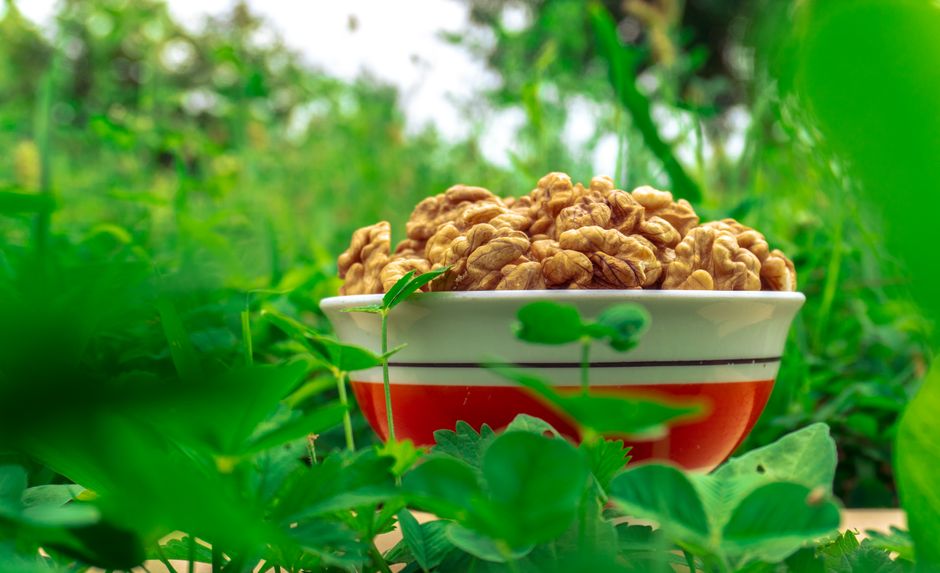
Walnut Varieties: Understanding Your Options
English Walnuts (Black Walnut)
English walnuts (also called Persian walnuts) are the most common variety found in groceries and are what most recipes call for. They have a lighter shell, mild flavor, and are easier to crack.
Black Walnuts
Black walnuts are native to North America with a harder shell and stronger, earthier flavor. They contain higher levels of polyphenols and antioxidants compared to English walnuts, though they’re less commonly available commercially.
Black walnuts have a more robust nutritional profile but can be overpowering in dishes. Many prefer them in smaller quantities or as an accent ingredient.
Storage Tips to Prevent Rancidity
Walnuts’ high unsaturated fat content makes them prone to oxidation (rancidity), which creates bitter taste and harmful pro-oxidants.
Proper Storage Methods
- Room temperature - keep in a cool, dark place for up to 2 weeks
- Refrigerator - store in an airtight container for up to 1 month
- Freezer - best option for long-term storage, extends shelf life to 1 year
- Original shells - unshelled walnuts last longer than shelled varieties
Always use an airtight container to prevent exposure to oxygen and humidity.
Who Should Limit Walnut Intake
Certain individuals should limit or avoid walnuts:
- Tree nut allergy sufferers - complete avoidance necessary
- Kidney stone history - due to oxalate content
- Individuals taking certain medications - walnuts may interfere with anticoagulants
- People with IBS - sensitivity to high fiber and fat content
- Those on calorie-restricted diets - high caloric density requires careful portioning
When in doubt, consult a healthcare provider about appropriate walnut consumption for your specific health situation.
Frequently Asked Questions (FAQ)
Q: How many walnuts should I eat daily to get the benefits without excess calories?
A: The recommended serving is about 1 ounce—roughly 7 whole walnuts or 14 halves—providing around 185 calories along with 2.5g of ALA omega-3s. Going beyond 1.5 ounces daily raises the risk of digestive side effects without added benefit.
Q: What makes walnuts different from other nuts for brain and heart health?
A: Walnuts are the richest plant-based source of alpha-linolenic acid (ALA), an omega-3 the body partially converts to EPA and DHA, and they have higher overall antioxidant activity than any other common nut, including melatonin, polyphenols, and ellagic acid.
Q: Are black walnuts more nutritious than the common English walnut?
A: Black walnuts contain higher levels of polyphenols and antioxidants than English (Persian) walnuts, but they have a harder shell, a stronger earthy flavor, and are less widely available, so most people use them as a smaller-quantity accent rather than a daily staple.
Conclusion
Walnuts are a nutritional powerhouse offering substantial health benefits when consumed in moderation. Their exceptional omega-3 content, diverse antioxidant profile, and impact on brain, heart, and gut health make them a valuable addition to any balanced diet.
The key to maximizing benefits while minimizing risks is adherence to the recommended 1-ounce daily serving and proper storage to prevent rancidity. For those without tree nut allergies or contraindications, walnuts represent an excellent investment in long-term health and wellness.
For best health effects, include walnuts as part of a balanced, plant-forward diet such as the Mediterranean or DASH patterns.
📧 Get More Insights Like This
Join thousands of readers who receive evidence-based personal development tips directly in their inbox.
🌟 Start Your Transformation Today
Ready to take the next step in your personal development journey?
Learn More About Us Browse All Articles