
Donald Trump: Complete History, Business Career, and Political Rise

Introduction: Understanding a Controversial Figure
Donald John Trump is one of the most polarizing and discussed figures in modern American history. A real estate developer, businessman, television personality, and the 45th President of the United States, Trump’s career spans decades of dramatic business deals, media attention, and political controversy. This comprehensive overview covers his rise from real estate to the presidency, major achievements, significant controversies, and lasting impact on American politics and culture.
Early Life and Family Background
Donald Trump was born June 14, 1946, in New York City to Fred Trump, a successful real estate developer, and Mary MacLeod Trump. Growing up in Queens in a wealthy real estate family, Trump was exposed to business and development from childhood.
Family influence: Fred Trump built his real estate empire in outer boroughs, creating middle-class housing developments that generated substantial wealth. This background provided Donald with business education, capital connections, and entrepreneurial mentorship.
Education: Trump attended the New York Military Academy (boarding school) from age 13-18, then graduated from Fordham University with a degree in economics before transferring to and graduating from the Wharton School of Business at the University of Pennsylvania in 1968.
The Early Real Estate Career: Building the Trump Empire
Transition to Manhattan Real Estate
Rather than continuing in his father’s outer-borough developments, young Trump moved into Manhattan real estate during the 1970s, a time when the city faced economic decline and many properties were undervalued.
Key early projects:
- Grand Hyatt Hotel: Converted the dilapidated Commodore Hotel into a luxury hotel, establishing Trump’s reputation as a developer who could revitalize troubled properties
- Trump Tower: A 58-story mixed-use building combining luxury apartments, office space, and retail; became his signature Manhattan project completed in 1983
- Atlantic City Casinos: Expanded into Atlantic City during the 1980s, building the Trump Castle and Trump Taj Mahal casinos, becoming the city’s largest employer
Business Philosophy and Strategy
Trump’s approach emphasized:
- Bold vision and scale: Thinking big and making massive bets
- Self-promotion: Using media attention to raise his profile and develop his brand
- Negotiation: Publicizing his “Art of the Deal” negotiation approach
- Branding: Making his name synonymous with luxury and success
- Controversial methods: Using aggressive tactics, often facing legal challenges and protests
The Trump Brand: Media and Entertainment
Television Career
The Apprentice (2004-2015) dramatically elevated Trump’s public profile. The reality television show featured Trump hiring and firing contestants in business tasks, becoming one of the most-watched programs in America.
Impact:
- Reached tens of millions of viewers
- Transformed Trump into a household name and celebrity
- Created the public persona of Trump as a shrewd businessman and dealmaker
- Generated substantial income and brand value
- Connected with working-class Americans who identified with his direct, combative style
Social Media Presence
Trump became famous for controversial Twitter use, often posting:
- Late-night inflammatory statements
- Attacks on journalists and critics
- Unfiltered personal thoughts
- Announcements bypassing traditional media
- Statements later disputed or contradicted
This social media presence became central to his political identity and direct communication style.
Financial Challenges and Bankruptcies
Casino Industry Difficulties
Despite early success, Trump’s Atlantic City casinos faced significant challenges:
- The housing market collapse and recession reduced tourism
- Overextension with too many casinos in one market
- Six corporate bankruptcies between 1991-2009 (primarily casinos)
- Substantial debt restructuring and losses for investors
Important distinction: While his casino companies filed for bankruptcy, Trump personally used legal protections to avoid personal bankruptcy. Critics emphasized losses to investors and contractors; supporters noted bankruptcy is legal business strategy.
Alleged Financial Challenges
Throughout his career, Trump faced:
- Numerous lawsuits and legal disputes
- Tax issues and audits
- Questions about the true value of his assets
- Controversial business practices and settlements
- Ongoing disputes about his actual net worth

Political Transition: From Celebrity to Candidate
Background Political Involvement
Though primarily a businessman, Trump engaged politically earlier:
- Registered as a Democrat in the 1980s
- Changed to Republican in 1987
- Changed to Independent in 1999
- Returned to Republican in 2009
2016 Presidential Campaign
The Unexpected Candidate: Trump entered the 2016 presidential race shocking many observers. Initial analysts dismissed him as unlikely to win the Republican primary, but he defeated 16 Republican candidates.
Campaign themes:
- “Make America Great Again”
- Anti-establishment, outsider messaging
- America First economic nationalism
- Opposition to trade deals and immigration
- Populist appeals to working-class voters
- Controversial rhetoric about women, immigrants, and minorities
The Upset Victory: Against polls and expectations, Trump defeated Hillary Clinton in the 2016 general election by winning the Electoral College despite losing the popular vote by nearly 3 million votes.
The Trump Presidency (2017-2021)
Major Policy Initiatives
Tax Cuts and Jobs Act: Reduced corporate tax rates from 35% to 21% and individual income tax rates, supporters citing economic growth; critics citing increased deficit and wealth inequality.
Trade Wars: Imposed tariffs on Chinese imports and steel, attempting to reduce trade deficits; economists debated effectiveness with mixed results.
Judicial Appointments: Appointed three Supreme Court Justices and numerous federal judges, shifting the judiciary rightward and reshaping American law for decades.
Immigration: Attempted to build a U.S.-Mexico border wall and reduce legal immigration; implemented controversial travel restrictions on Muslim-majority countries.
Foreign Policy:
- Withdrew from the Iran nuclear agreement
- Met with North Korea’s Kim Jong Un (breaking decades of non-engagement)
- Withdrew from Afghanistan, leaving bases and weapons
- Maintained and strengthened military commitments to Israel
Major Controversies
Alleged Russian Interference: The Mueller investigation examined potential coordination between Trump’s campaign and Russia in 2016; concluded insufficient evidence to charge campaign officials with conspiracy but noted Russian interference occurred.
Ukraine Impeachment: Trump was impeached for allegedly pressuring Ukraine’s president to investigate political rival Joe Biden; the Republican-controlled Senate acquitted him.
COVID-19 Response: Criticized for downplaying pandemic severity, contradicting health experts, and promoting unproven treatments; supported by those crediting him with rapid vaccine development.
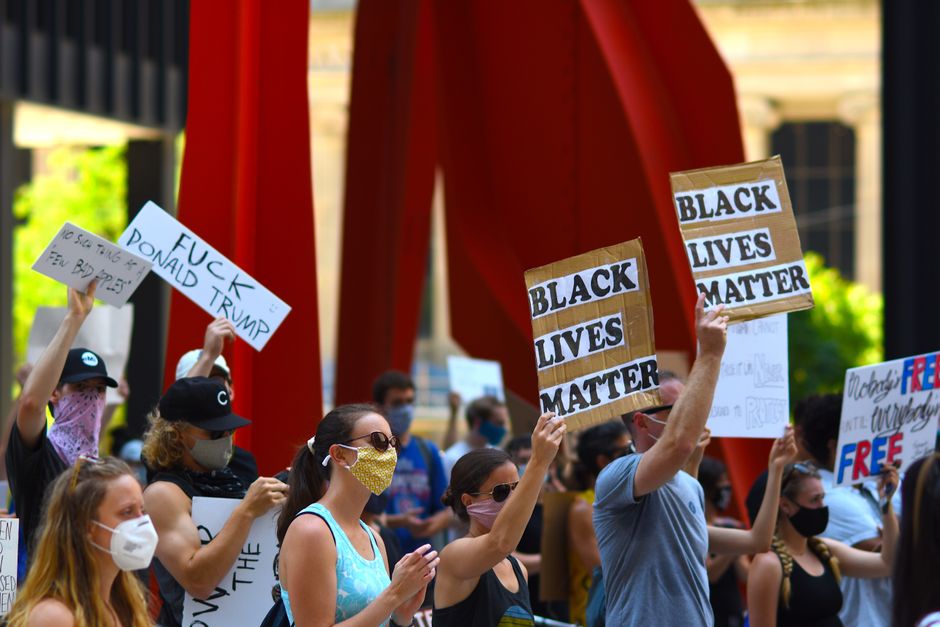
Racial Justice: Faced criticism for response to Black Lives Matter protests and racial justice movements, though supported by those emphasizing “law and order.”
Rhetoric and Divisiveness: Critics cited inflammatory rhetoric, attacks on free press, and threats to democratic norms; supporters appreciated his “tell-it-like-it-is” style and outsider challenge to political establishment.
Post-Presidency and 2020 Election
Election Loss and Disputed Results
The 2020 Election: Trump lost to Democrat Joe Biden despite expecting victory. Trump disputed results, claiming widespread fraud without providing substantial evidence.
Consequences:
- Multiple court challenges failed
- Republican-controlled legislatures certified results
- Culminated in January 6, 2021 Capitol riot when Trump supporters breached the building
Second Impeachment and Trials
Impeached again (second time) for “incitement of insurrection,” acquitted by the Senate but with 10 Republicans voting to convict—an unprecedented level of party division.
Legal Challenges: Faced multiple indictments including federal charges related to classified documents and alleged election interference in Georgia, civil fraud cases in New York, and investigations in various jurisdictions.
Legacy and Ongoing Impact
Political Realignment
Trump dramatically reshaped American politics:
- Made populism and nationalism central to Republican identity
- Shifted focus toward immigration and trade
- Changed communication style in politics
- Built a devoted base that prioritizes loyalty to him personally
- Weakened traditional Republican establishment
Business Legacy
Before politics, Trump established:
- One of the most recognized personal brands
- A substantial real estate portfolio
- A media presence spanning decades
- A distinctive business philosophy emphasizing boldness and self-promotion
Controversial Legacy
Supporters credit him with:
- Fighting political correctness
- Challenging the establishment
- Securing conservative judicial appointments
- Pursuing America First policies
- Economic growth (before COVID)
Critics emphasize:
- Polarizing rhetoric
- Threats to democratic norms
- Incompetence during pandemic
- Attempted election overturning
- Multiple legal issues
- Divisiveness and institutional damage
Conclusion: A Transformative Historical Figure
Donald Trump remains one of the most consequential yet divisive figures in American history. His rise from real estate developer to president, his unprecedented social media presence, his defeat of the political establishment, and his contested claims about the 2020 election have fundamentally altered American politics.
Whether viewed as a champion of outsiders challenging a corrupt establishment or as a threat to democratic institutions, Trump’s impact is undeniable. His presidency, legal battles, and political movement continue shaping American discourse, presidential politics, and the Republican Party in profound ways. Historical assessment will likely remain contested for decades as scholars, politicians, and citizens debate his contributions, failures, and ultimate legacy on American democracy and governance.
📧 Get More Insights Like This
Join thousands of readers who receive evidence-based personal development tips directly in their inbox.
🌟 Start Your Transformation Today
Ready to take the next step in your personal development journey?
Learn More About Us Browse All Articles