
Do fenugreek seeds and fenugreek leaves enlarge breasts

Fenugreek (both seeds and leaves) is often talked about in the context of breast enlargement and increasing milk production, but let’s break down what science and traditional knowledge say about it in detail.
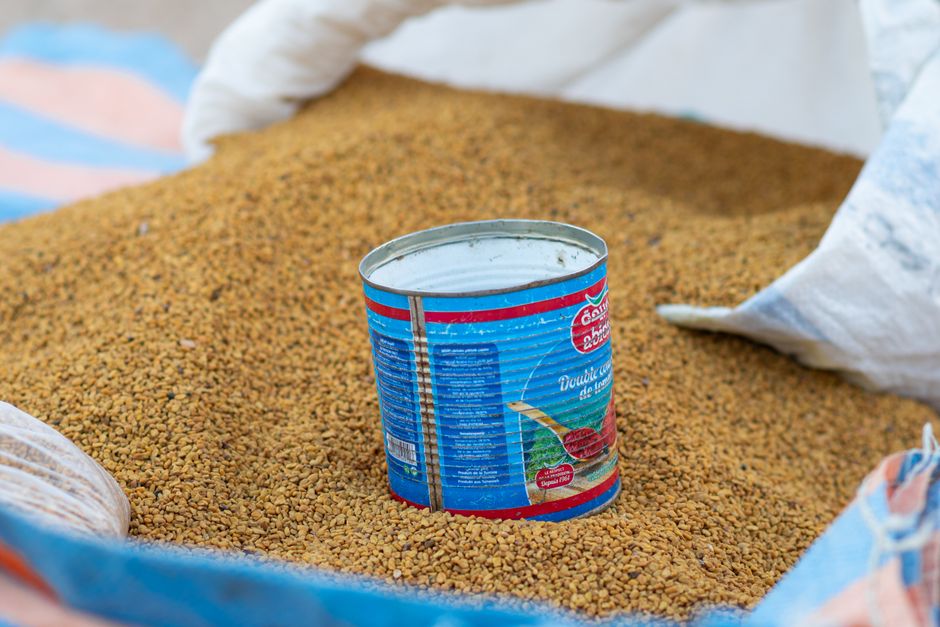
Introduction
The short answer: No, fenugreek seeds and leaves do not enlarge breasts. There is no credible scientific evidence supporting this claim, despite decades of traditional use and ongoing marketing promises online.
Fenugreek remains popular in herbal medicine and wellness communities, but we need to separate myth from reality. Let’s explore what science actually tells us about this plant and its effects on the body.
The Claim About Fenugreek and Breast Size
Fenugreek has circulated in breast enlargement discussions for generations. Social media, wellness websites, and herbal remedy forums frequently promote it as a natural solution for increasing bust size.
The popularity stems from several factors:
- Traditional use in Middle Eastern and Indian medicine
- Its known effects on milk production during lactation
- Marketing by supplement companies
- Personal testimonials and anecdotal reports online
However, popularity does not equal scientific proof. Many claims about fenugreek and breast enlargement lack rigorous clinical testing.
What Science Says: Phytoestrogens and Limited Evidence
Fenugreek does contain compounds called phytoestrogens—plant-based chemicals that can weakly mimic estrogen in the body. This is where the theoretical connection to breast growth originates.
Here’s what we know:
Estrogen plays a role in breast development, particularly during puberty. Theoretically, compounds mimicking estrogen might stimulate breast tissue growth.
However, the amount of phytoestrogens in fenugreek is minimal, and clinical studies have not demonstrated breast enlargement from consuming fenugreek supplements or food. The evidence simply doesn’t support the claim.
When researchers have studied phytoestrogen-rich foods and supplements, they have not found consistent breast enlargement effects in controlled studies.
How Fenugreek Might Affect Breast Tissue
If fenugreek were to affect breast tissue, it would likely work through one of these mechanisms:
Hormonal influence: The phytoestrogens might weakly bind to estrogen receptors in breast tissue, theoretically stimulating growth similar to actual estrogen. This mechanism exists in theory but lacks strong evidence in humans.
Water retention: Any perceived breast enlargement could simply result from general fluid retention caused by increased estrogen-like activity. This would be temporary and disappear once you stop taking the supplement.
Improved circulation: Better blood flow to breast tissue might make it appear fuller temporarily, but this does not equal actual tissue growth.
None of these mechanisms have been proven effective for breast enlargement in controlled scientific studies.
Realistic Expectations: Temporary Changes vs. Actual Growth
It’s important to distinguish between temporary physical changes and permanent breast enlargement.
Temporary effects that might make breasts appear fuller:
- Water retention and bloating
- Improved skin hydration and appearance
- Hormonal fluctuations affecting breast fullness
- Better posture and confidence affecting how clothing fits
These changes are not permanent and should not be confused with actual breast tissue growth.
Actual breast enlargement would require sustained growth of mammary gland tissue—something not documented in fenugreek research.

Other Proven Benefits of Fenugreek
While fenugreek doesn’t enlarge breasts, it does have documented benefits in other areas:
Milk Production (Lactation)
This is fenugreek’s strongest application. Multiple clinical studies show fenugreek seeds can moderately increase milk supply in breastfeeding mothers. The mechanism likely involves hormonal signaling that stimulates prolactin, a hormone essential for milk production.
Breastfeeding women often consume fenugreek as tea, capsules, or powder with reported positive results.
Blood Sugar and Glucose Control
Research indicates fenugreek seeds may help improve blood sugar control in people with diabetes. Studies have shown modest improvements in glucose tolerance and insulin sensitivity.
Anti-inflammatory Properties
Compounds in fenugreek have demonstrated anti-inflammatory effects in laboratory and animal studies, though human evidence remains limited.
Digestive Support
The high fiber content in fenugreek seeds supports digestive health and can help with regular bowel movements.
Potential Side Effects
Before considering fenugreek supplements, understand the possible side effects:
- Maple syrup odor: A distinctive sweet body odor affecting sweat, urine, and skin. This is harmless but noticeable.
- Digestive issues: Diarrhea, stomach upset, or bloating from the high fiber content
- Allergic reactions: Rare but possible, especially in people with peanut allergies
- Hormonal effects: May interfere with hormonal medications or oral contraceptives
- Low blood sugar: Can lower blood glucose levels, problematic for diabetics on medication
Pregnant women should avoid fenugreek, as it may stimulate uterine contractions.
Dosage and Forms
If you choose to try fenugreek for its proven benefits like milk production, here are common formats:
Fenugreek seeds: 1-2 teaspoons daily as a tea, steeped in hot water for 5-10 minutes. Taste is slightly bitter.
Capsules or tablets: Typically 500-600mg, taken 2-3 times daily. Check labels for specific dosing recommendations.
Powder: Can be mixed into food or drinks, usually 1 teaspoon (5g) per serving.
Fenugreek leaves (methi): Used fresh or dried in cooking as a green vegetable, not specifically for breast enlargement.
Always consult a healthcare provider before starting any supplement regimen.
Natural Breast Health Tips That Actually Work
Instead of chasing supplements, focus on approaches backed by evidence:
Proper bra fitting: Most women wear incorrect bra sizes. A proper fitting dramatically affects how breasts look and feel.
Regular exercise: Chest exercises like push-ups and chest presses strengthen pectoral muscles underneath breast tissue, creating a lifted appearance.
Healthy diet and hydration: Skin quality, overall health, and body composition affect breast appearance more than any supplement.
Maintain healthy weight: Breasts contain fat tissue. Significant weight loss or gain affects their size and shape.
Good posture: Standing straight with shoulders back instantly makes breasts appear larger and more lifted.
Moisturize skin: Healthy, hydrated skin around the chest looks fuller and more youthful.
Avoid smoking: Smoking damages skin elasticity and affects breast appearance over time.
The Truth: Genetics Determine Breast Size
Breast size is determined primarily by genetics, hormones, and body composition. No supplement changes this fundamental reality.
Your genes determine how your body distributes fat and tissue. Hormones during puberty set breast development. Environmental factors after that point create only minimal, temporary changes.
Marketing claims suggesting otherwise prey on body insecurity. While we can make improvements to appearance through exercise, clothing, and skincare, we cannot fundamentally change breast size through diet or herbal supplements alone.
Acceptance of your natural body combined with smart lifestyle choices offers far better results than chasing unproven remedies.
Final Thoughts
Fenugreek seeds and leaves do not enlarge breasts. No clinical evidence supports this claim, despite traditional use and online promotion.
Fenugreek does help increase milk production in breastfeeding mothers, making it valuable for lactation support.
Be skeptical of breast enlargement claims. If something sounds too good to be true, it probably is. Focus instead on the health benefits that are actually proven.
Always consult a healthcare provider before starting any herbal supplement, especially if pregnant, breastfeeding, or taking medications.
📧 Get More Insights Like This
Join thousands of readers who receive evidence-based personal development tips directly in their inbox.
🌟 Start Your Transformation Today
Ready to take the next step in your personal development journey?
Learn More About Us Browse All Articles