
Curd Benefits and Usage: Refrigerated vs. Cooked


Introduction: Understanding Curd and Its Nutritional Value
Curd (yogurt) is a fermented dairy product rich in probiotics, calcium, and protein, making it one of the healthiest foods in traditional diets. The critical decision when consuming curd involves whether to eat it refrigerated (raw) to preserve beneficial bacteria or to cook it for culinary purposes. Both approaches offer distinct nutritional and health benefits, and the choice depends on your specific health goals and how you plan to use it. This comprehensive guide explores the science behind curd consumption and helps you maximize its benefits.
The Science of Curd: How Fermentation Creates Health Benefits
The Fermentation Process
Curd is created by adding specific bacterial cultures (primarily Lactobacillus bulgaricus and Streptococcus thermophilus) to milk. These beneficial bacteria ferment lactose (milk sugar), producing lactic acid, which:
- Lowers the pH, giving curd its characteristic tangy flavor
- Coagulates milk proteins, creating the thick, creamy texture
- Preserves the product naturally by creating an acidic environment hostile to harmful bacteria
- Creates beneficial compounds like organic acids and amino acids
Refrigerated (Raw) Curd: Maximum Nutritional Benefit
Best Uses for Raw Curd
Refrigerated curd is optimal when your goal is maximum probiotic intake and digestive health. This form preserves all the live beneficial bacteria that support gut health.
Key Nutritional Benefits
Probiotics for Digestive Health: Live bacterial cultures in raw curd improve:
- Gut microbiome balance, reducing harmful bacteria
- Digestive efficiency and nutrient absorption
- Bowel regularity and prevention of constipation
- Defense against diarrhea-causing pathogens
- Overall immune function (70% of immunity originates in the gut)
Rich in Essential Minerals: Curd provides exceptional calcium content:
- Calcium: 400-450 mg per cup supports bone density, muscle function, and nerve transmission
- Phosphorus: Works synergistically with calcium for optimal bone health
- Magnesium: Supports muscle relaxation and nervous system function
- Potassium: Helps regulate blood pressure and cardiovascular health
Complete Protein Source: Curd delivers high-quality protein containing all nine essential amino acids:
- Approximately 10-20 grams of protein per serving
- Supports muscle growth, repair, and maintenance
- Increases satiety, helping with weight management
- Supports enzyme and hormone production
B Vitamins: Including:
- Vitamin B12: Essential for nerve function and red blood cell formation
- Riboflavin (B2): Supports energy metabolism
- Pantothenic Acid (B5): Involved in hormone and cholesterol production
Cooling Properties
In Ayurvedic medicine, curd is classified as a “cooling” food, making it ideal for:
- Summer consumption to regulate body temperature
- Individuals with excess body heat or pitta imbalance
- Reducing acidity and supporting digestive balance
- Soothing inflammation in the digestive tract
Optimal Ways to Consume Raw Curd
As a side dish with meals:
- Serve at room temperature with rice and curry
- Pair with fresh vegetables for enhanced nutrient absorption
- Consume with spices like cumin or black pepper to improve digestion
In smoothies and beverages:
- Blend with fruits for a probiotic smoothie
- Mix with honey for additional antibacterial properties
- Combine with turmeric for anti-inflammatory benefits
Traditional preparations:
- Serve as raita (yogurt-based side dish with vegetables and spices)
- Make buttermilk by thinning with water and adding spices
- Use as a base for homemade salad dressings
Critical Timing Consideration: Consume raw curd during daytime, preferably at lunch. Avoid eating raw curd at night or late evening because its cooling properties may interfere with digestion and sleep.
Temperature Precaution
Never consume curd directly from the refrigerator. Let it reach room temperature before eating to avoid:
- Cold-related digestive distress
- Potential aggravation of existing cold or sinus conditions
- Interference with digestive enzyme activity
- Possible reduced probiotic effectiveness in very cold temperatures
Cooked Curd: Culinary Applications and Heat Stability
How Cooking Affects Curd
When curd is heated above 40°C (104°F), several changes occur:
- Probiotics are destroyed: Heat kills most beneficial bacteria, eliminating the probiotic benefit
- Proteins denature and recombine: The texture becomes less creamy; the curd may curdle
- Some minerals remain stable: Calcium and other minerals survive the cooking process
- Nutritional profile shifts: While some nutrients are lost, others may become more bioavailable
Benefits of Cooked Curd
Enhanced culinary versatility: Cooked curd works in:
- Kadhi (traditional Indian yogurt-based curry with spiced chickpea flour)
- Curries and gravies that require curd-based sauces
- Marinating proteins to tenderize and add flavor
- Baked dishes and casseroles where curd serves as a binder
Better tolerance for sensitive individuals:
- Less likely to cause mucus production in susceptible people
- Beneficial for those with sinus congestion or respiratory sensitivity
- Better tolerated during winter or cold months
- Safer for people with weak digestion
Maintaining structural integrity: Some dishes require cooked curd to:
- Prevent the curd from separating in high-heat preparations
- Maintain consistency in thick gravies and sauces
- Bind ingredients together in baked preparations
When to Choose Cooked Curd
Choose cooked curd when:
- Preparing traditional cooked dishes where raw curd would curdle
- You have sinus issues or are prone to excessive mucus
- Eating curd in the evening or night
- You need a binder or thickening agent for a dish
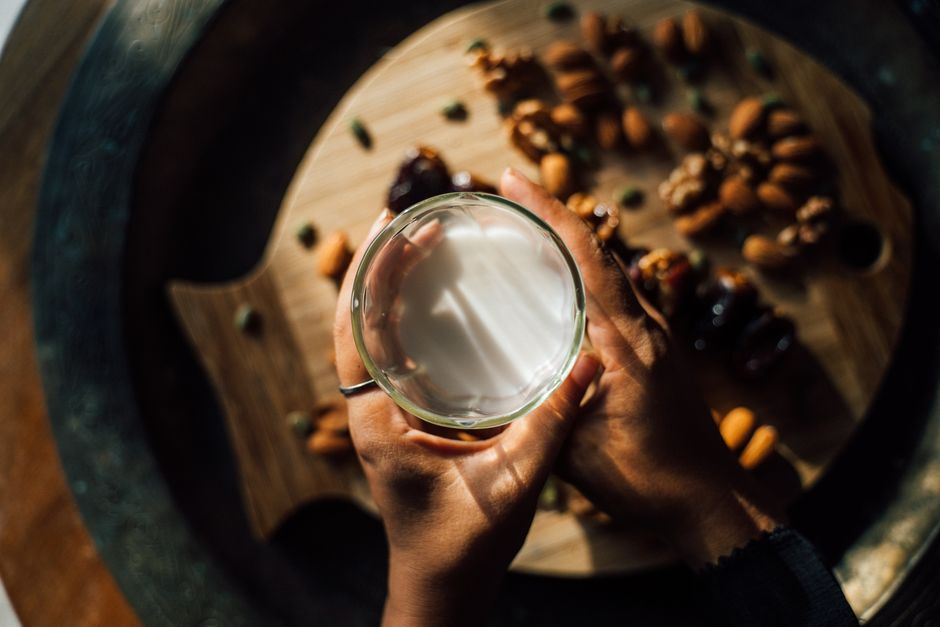
Direct Comparison: Raw vs. Cooked
| Aspect | Raw/Refrigerated Curd | Cooked Curd |
|---|---|---|
| Probiotics | Abundant, alive | Destroyed by heat |
| Calcium & Minerals | Fully preserved | Mostly preserved |
| Protein | High quality, complete | Same, but structure altered |
| Digestion Support | Excellent via probiotics | Moderate |
| Cooling Effect | Strong | Reduced |
| Best Time | Lunch/daytime | Anytime, especially evening |
| Culinary Use | Side dish, smoothies, raita | Curries, gravies, marinades |
| Best For | Gut health, immunity | Flavor, cooking, sensitive digestion |
The Complete Yogurt Benefits and Nutritional Profile
Major Health Benefits
Enhanced Digestive Health: Research demonstrates that regular curd consumption improves gut bacteria diversity, directly supporting:
- Better nutrient absorption (especially calcium and B vitamins)
- Improved immune response against pathogens
- Enhanced intestinal barrier function
- Reduced inflammation in the digestive tract
Bone Health Support: The combination of calcium, protein, and vitamin D (in fortified varieties) makes curd exceptional for:
- Building and maintaining bone density
- Preventing osteoporosis in aging populations
- Supporting fracture recovery and healing
- Maintaining muscle mass essential for bone support
Weight Management Aid: Studies show that curd consumption correlates with healthy body weight through:
- Increased satiety from protein content
- Improved metabolic function via probiotics
- Enhanced fat oxidation during exercise
- Reduced overall calorie intake when curd replaces less nutritious foods
Cardiovascular Benefits:
Regular consumption may contribute to:
- Lower blood pressure through bioactive peptides
- Improved cholesterol profiles by reducing LDL (bad) cholesterol
- Better arterial flexibility supporting healthy blood flow
- Reduced inflammation affecting heart health
Better Lactose Tolerance: The fermentation process breaks down much of the lactose, making curd tolerable for many individuals with mild-to-moderate lactose intolerance.
Mental Health Connection: Emerging research on the gut-brain axis suggests probiotics may:
- Reduce anxiety and stress-related symptoms
- Improve mood through neurotransmitter production
- Support cognitive function and memory
- Enhance overall psychological wellbeing
Potential Drawbacks and How to Minimize Them
Commercial Sweetened Varieties: Many store-bought yogurts contain excessive added sugars (up to 25 grams per serving). Solution: Choose plain yogurt and add your own sweetener (honey, fresh fruit) in controlled amounts.
Dairy Allergy Concerns: People with milk allergies must avoid all curd. Solution: Try plant-based yogurts made from coconut, almond, or soy milk.
Calorie Density: Full-fat varieties are calorie-dense. Solution: Choose Greek yogurt (higher protein, lower carbs) or low-fat versions, or portion carefully.
Probiotic Variability: Not all commercial yogurts contain live and active cultures. Solution: Check labels for “contains live and active cultures” certification.
Potential Residues: Some conventional yogurts may contain hormone or antibiotic residues. Solution: Choose organic, grass-fed dairy products when possible.
Practical Recommendations for Optimal Curd Consumption
Daily Consumption Guidelines
- Serving Size: 150-200 grams (about 3/4 to 1 cup) daily
- Best Timing: Consume at lunch or early afternoon for optimal digestive benefits
- Frequency: Daily consumption provides consistent probiotic benefits
- Temperature: Always consume at room temperature, never directly from the refrigerator
Enhancement Strategies
Add Digestive Spices:
- Black pepper, cumin, or ginger enhance digestive function
- Turmeric adds anti-inflammatory compounds
- Cinnamon provides antimicrobial benefits
Combine with Fiber:
- Mix with fresh fruits (berries, melon, papaya)
- Add ground flaxseeds or chia seeds
- Serve with whole grain bread
Pair with Probiotic-Boosting Foods:
- Add garlic for antimicrobial benefits
- Include fermented vegetables for additional probiotics
- Combine with raw honey for prebiotic effects
Frequently Asked Questions (FAQ)
Q: Why does cooking curd destroy its probiotic benefits?
A: Heating curd above 40°C (104°F) kills most of the live Lactobacillus bulgaricus and Streptococcus thermophilus bacteria responsible for its probiotic effects, though minerals like calcium remain largely stable.
Q: Is it better to eat curd raw or cooked in the evening?
A: The guide recommends cooked curd for evening consumption, since raw curd’s cooling Ayurvedic properties may interfere with digestion and sleep, and cooked curd is also better tolerated by those prone to sinus congestion.
Q: Should curd be eaten straight from the refrigerator?
A: No—the guide advises letting curd reach room temperature first to avoid cold-related digestive distress and to preserve probiotic effectiveness.
Conclusion: Maximizing Curd’s Nutritional Potential
Both refrigerated and cooked curd offer significant health benefits, with the optimal choice depending on your health goals and consumption timing. For maximum probiotic and digestive benefits, consume refrigerated curd at room temperature during daytime meals. For culinary applications and evening consumption, cooking curd provides excellent nutrition while improving digestibility for sensitive individuals. By understanding these distinctions and implementing the recommendations above, you can harness curd’s full nutritional potential to support digestive health, bone strength, immunity, and overall wellbeing.
📧 Get More Insights Like This
Join thousands of readers who receive evidence-based personal development tips directly in their inbox.
🌟 Start Your Transformation Today
Ready to take the next step in your personal development journey?
Learn More About Us Browse All Articles