
Cashew Nuts: Health Benefits and Side Effects You Must Know!

Introduction to Cashews
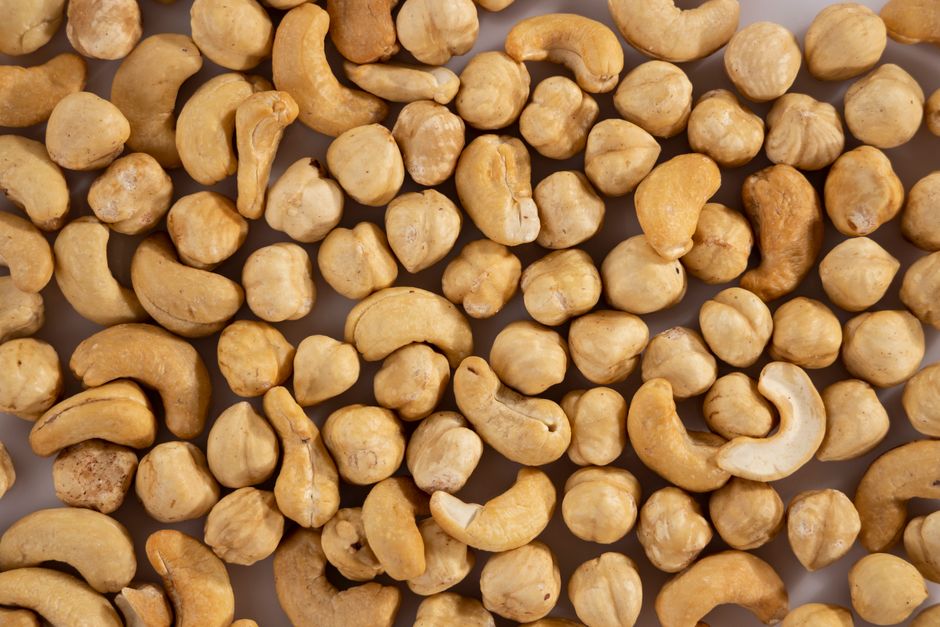
Cashew nuts are a popular tree nut known for their rich, buttery flavor and creamy texture. Native to Brazil but now cultivated globally, cashews have become a staple in kitchens worldwide. They offer a wide range of health benefits but also have some potential drawbacks if consumed in excess or under certain conditions. Understanding both the advantages and risks helps you make informed dietary choices.
Nutritional Profile of Cashews
Cashews are a nutrient powerhouse packed with essential vitamins and minerals. A single ounce serving provides approximately 155-165 calories along with impressive nutritional content. These nuts are particularly rich in healthy monounsaturated and polyunsaturated fats, which support overall wellness.
The mineral content is equally impressive, featuring copper (which aids collagen production), magnesium (for muscle and nerve function), zinc (for immune support), iron (for oxygen transport), and manganese (for metabolism). Each ounce delivers about 5 grams of protein, making cashews an excellent plant-based protein source. They also contain B-complex vitamins and vitamin E, both important antioxidants.
Health Benefits of Cashew Nuts
Heart Health
Cashews are excellent for cardiovascular health. The monounsaturated fats found in cashews help lower LDL (bad) cholesterol while supporting HDL (good) cholesterol levels. Magnesium supports normal heart rhythm and helps regulate blood pressure naturally. The rich antioxidant content reduces inflammation and oxidative stress, both major risk factors for heart disease. Regular consumption of moderate amounts of cashews as part of a balanced diet may contribute to better heart health outcomes.
Weight Management
Despite being calorie-dense, research shows that regular nut consumers tend to maintain healthier body weights. Cashews provide excellent satiety, keeping you fuller longer and reducing overall calorie intake throughout the day. The combination of healthy fats and protein slows digestion, providing sustained energy and preventing energy crashes that lead to overeating.
Bone Health
Cashews provide crucial minerals for skeletal strength. Copper plays a vital role in collagen and elastin formation, strengthening bones and joints. Magnesium and phosphorus work together to maintain bone density and strength. The vitamin K content supports bone mineralization, reducing the risk of osteoporosis as you age. Incorporating cashews into your diet can be an excellent dietary strategy for long-term bone health.
Blood Sugar Control
Moderate cashew consumption may help maintain stable blood sugar levels. Cashews have a low glycemic index, meaning they don’t cause rapid blood sugar spikes. The combination of healthy fats, protein, and fiber slows carbohydrate absorption. Magnesium improves insulin sensitivity, helping your body use glucose more efficiently. This makes cashews a smart choice for people concerned about metabolic health.
Brain Function
The nutrient profile of cashews supports cognitive performance. Magnesium enhances neurotransmitter function and supports neural signaling. Zinc is essential for memory and learning. Copper helps in myelin formation, the protective coating around nerve cells. Regular consumption may support concentration, focus, and overall brain health.
Immune System Support
Zinc and copper are critical minerals for immune function and wound healing. Iron prevents anemia by supporting red blood cell production. Vitamin E acts as a powerful antioxidant, protecting immune cells from damage. The selenium content further enhances immune response and fights infections.
Eye Health
Cashews contain lutein and zeaxanthin, antioxidants that specifically protect eyes from damage caused by light exposure and oxidative stress. These compounds accumulate in the retina and reduce the risk of age-related macular degeneration and cataracts. Regular consumption contributes to clearer vision and better long-term eye health.
Potential Side Effects and Risks
Allergies
Cashews are tree nuts and can cause severe allergic reactions in sensitive individuals, potentially including anaphylaxis. If you have a tree nut allergy, avoid cashews entirely. Even small amounts can trigger reactions. Always check food labels for cashew contamination if you have this allergy.
High Caloric Density
Each ounce contains 155-165 calories. Overconsumption can quickly add excessive calories to your diet, especially when eating roasted or salted varieties. Portion control is essential to prevent unwanted weight gain.
Kidney Stone Risk
Cashews contain oxalates, which in high quantities may contribute to kidney stone formation, particularly in people genetically predisposed to this condition. If you have a history of kidney stones, moderate your cashew intake and stay well-hydrated.
Digestive Issues
Consuming too many cashews can cause digestive discomfort, including bloating, constipation, or diarrhea. Start with small amounts if new to nuts, and allow your digestive system to adjust gradually.
Migraine Triggers
Cashews contain tyramine, an amino acid that may trigger migraines in susceptible individuals. If you experience frequent migraines, monitor your cashew consumption.
Sodium Content in Processed Varieties
Commercial salted cashew products contain added sodium that can increase blood pressure and add unnecessary calories. Choose unsalted varieties whenever possible.
Recommended Serving Size
The ideal daily serving is 1 ounce (28 grams), equivalent to approximately 18 cashews. This portion provides all the nutritional benefits while limiting calorie and oxalate intake. Use measuring cups or count individual nuts to maintain consistency.

Raw vs. Roasted vs. Salted
Raw (Steamed) Cashews are technically processed to remove toxic urushiol but are less processed than roasted varieties. They retain more heat-sensitive nutrients.
Roasted Cashews undergo heat processing that reduces phytic acid content, improving mineral absorption. They have a more developed flavor.
Salted Varieties contain added sodium that may be problematic for those monitoring salt intake. Unsalted options are always healthier.
How to Incorporate Cashews Into Your Diet
Add cashews to morning oatmeal for crunch and nutrition. Create homemade nut butters for toast or smoothies. Sprinkle on salads for texture and satiety. Mix into stir-fries for creamy sauce bases. Combine with dried fruits for healthy snacking. Use cashew cream as a dairy substitute in cooking.
Who Should Be Cautious
People with tree nut allergies must avoid cashews completely. Those with kidney stone history should limit intake. Individuals with specific medical conditions should consult healthcare providers before significantly increasing cashew consumption.
Final Verdict
Cashew nuts can be an excellent addition to a balanced diet when eaten in moderation. They offer impressive heart, bone, metabolic, and brain health benefits. However, portion control and awareness of potential risks ensure maximum benefits with minimal drawbacks. Understanding your individual health status and dietary needs helps you enjoy cashews safely and effectively.
Frequently Asked Questions (FAQ)
Q: How many cashews should I eat per day for the benefits described here?
A: The recommended serving is about 1 ounce (28 grams), roughly 18 cashews, which delivers the heart, bone, and blood-sugar benefits described above while keeping calorie and oxalate intake in check.
Q: Can cashews really affect blood pressure and blood sugar?
A: Yes—their magnesium content supports normal heart rhythm and insulin sensitivity, and their low glycemic index combined with fat, protein, and fiber slows carbohydrate absorption, helping prevent blood sugar spikes.
Q: Are cashews safe for people with a history of kidney stones?
A: Not without caution—cashews contain oxalates that can contribute to kidney stone formation in predisposed individuals, so those with a history of stones should moderate intake and stay well hydrated.
Conclusion
Cashews offer a genuinely impressive nutritional package—healthy fats, magnesium, copper, zinc, and antioxidants that support heart, bone, brain, and immune health. The tradeoffs are real too: their calorie density, oxalate content, and allergy risk mean portion control matters, with about 18 nuts (1 ounce) a day being the sweet spot. Choosing raw or dry-roasted unsalted varieties over salted ones maximizes the benefits while minimizing the downsides. ***
Disclaimer: This article is for informational purposes only. Please consult with a qualified healthcare provider for medical advice.
📧 Get More Insights Like This
Join thousands of readers who receive evidence-based personal development tips directly in their inbox.
🌟 Start Your Transformation Today
Ready to take the next step in your personal development journey?
Learn More About Us Browse All Articles