
Makhana benefits and loss

What Is Makhana?
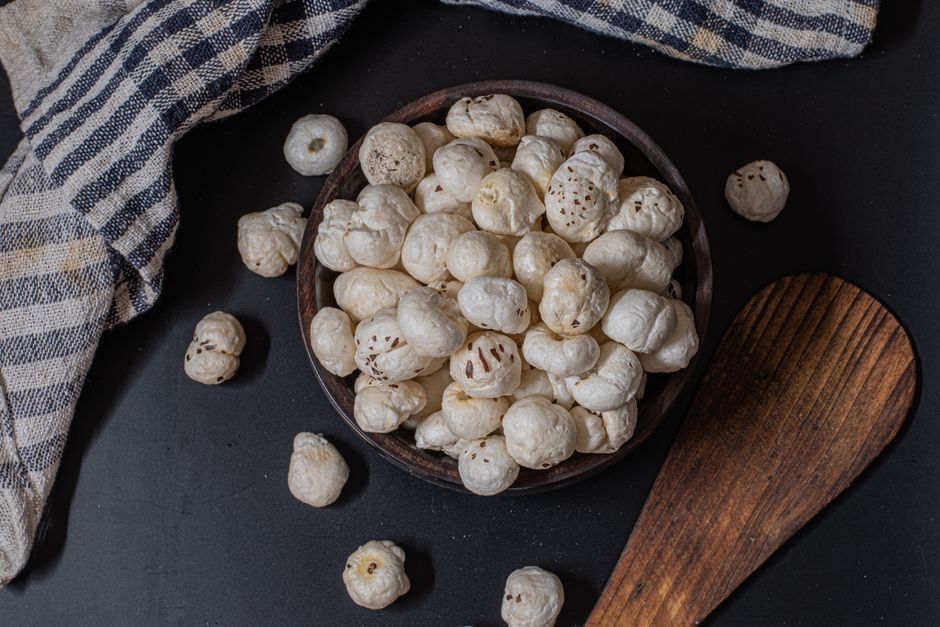
Makhana, also known as fox nuts or lotus seeds, comes from the seeds of the Euryale ferox plant, commonly grown in Southeast Asia. The plant thrives in freshwater lakes and ponds, particularly in regions of India such as Bihar and West Bengal, where it has been cultivated for centuries. The name “makhana” originates from Sanskrit and has become a staple ingredient in Indian cuisine. These puffed seeds have a light, airy texture and mild flavor, making them versatile for both sweet and savory dishes.
Nutritional Profile of Makhana
One of the key reasons makhana is gaining popularity as a health snack is its impressive nutritional composition. Makhana is low in calories, with just 106 calories per ounce, yet it packs a significant nutritional punch.
Key nutrients in makhana include:
- Protein: Approximately 4.5 grams per ounce, making it an excellent plant-based protein source
- Fiber: Supports digestive health and satiety
- Magnesium: Supports muscle and nerve function
- Potassium: Regulates blood pressure and heart health
- Phosphorus: Essential for bone health
- Iron: Critical for blood oxygen transport
- Antioxidants: Including flavonoids and polyphenols that combat free radicals
The seed contains virtually no cholesterol and minimal fat, making it an ideal snack for health-conscious individuals.
Health Benefits of Makhana
Weight Management
Makhana is an excellent choice for those looking to manage their weight. The combination of high fiber and protein content creates a satiating effect, helping you feel full longer. Because makhana is low in calories, you can enjoy a generous serving without guilt. Unlike many processed snacks, it provides sustained energy without unnecessary sugar or unhealthy fats.
Heart Health
Your cardiovascular system benefits significantly from makhana consumption. The seed is naturally low in sodium and cholesterol, reducing stress on your heart. The potassium content plays a crucial role in regulating blood pressure levels and maintaining healthy cardiac function. Regular consumption may help reduce the risk of heart disease and stroke.
Diabetes-Friendly
Makhana has a low glycemic index, meaning it doesn’t cause sharp spikes in blood sugar levels. This makes it an ideal snack for individuals with diabetes or those at risk of developing type 2 diabetes. The fiber content slows digestion and nutrient absorption, providing stable energy throughout the day.
Anti-Aging Properties
The antioxidants present in makhana, particularly flavonoids and polyphenols, help neutralize harmful free radicals in the body. This oxidative stress reduction can slow the aging process at the cellular level, promoting younger-looking skin and reducing the risk of age-related diseases.
Kidney Health
For those with kidney concerns, makhana offers a kidney-friendly option. It is low in potassium relative to many nuts and seeds, making it suitable for individuals who need to monitor their potassium intake. Additionally, its nutrient profile supports overall renal function.
Digestive Health
The fiber content in makhana promotes healthy digestion by supporting regular bowel movements and preventing constipation. Beyond this, it acts as a prebiotic, feeding beneficial gut bacteria and improving overall microbiome health. A healthy digestive system enhances nutrient absorption and immune function.
Bone Strength
Makhana contains essential minerals including phosphorus, magnesium, and iron, all critical for maintaining bone density and strength. Regular consumption may help prevent osteoporosis and maintain skeletal integrity as you age.
Potential Disadvantages
Allergies
While rare, some individuals may experience allergic reactions to lotus seeds. Symptoms can include itching, swelling, or respiratory difficulty. If you have known seed allergies, consult with a healthcare professional before consuming makhana.
Bloating
Consuming makhana in excessive amounts can cause bloating or digestive discomfort due to its high fiber content. Start with smaller portions and gradually increase your intake to allow your digestive system to adjust.
Sodium in Flavored Varieties
Commercially processed and flavored makhana products often contain added salt, oils, and sugars. Always check ingredient labels and opt for plain, lightly roasted varieties to avoid excess sodium and calories.

How to Consume Makhana
Roasted as a Snack
The most common way to enjoy makhana is roasted plain or with light seasoning. Simply eat a handful as a midday snack for quick energy and satiety.
In Curries and Savory Dishes
Makhana can be added to vegetable curries, soups, or dal preparations. Its mild flavor complements various spices and dishes without overpowering other ingredients.
Sweet Preparations
Makhana kheer (a traditional Indian rice pudding) is a delicious dessert option. You can also add roasted makhana to your breakfast cereals, yogurt, or fruit bowls.
Recommended Serving Size
The ideal daily serving of makhana is approximately one ounce (about a small handful or 30 grams). This provides roughly 106 calories while delivering substantial nutritional benefits. Those engaged in physical activity may consume slightly more, but avoid excessive intake to prevent digestive discomfort.
Selection and Storage Tips
When choosing makhana:
- Select plain, roasted varieties without added oils or excessive salt
- Check the expiration date and ensure the package is properly sealed
- Look for a light, crispy texture; avoid makhana that feels soft or damp
- Purchase from reputable sources to ensure quality
For storage, keep makhana in an airtight container in a cool, dry place away from moisture. Properly stored makhana can remain fresh for several months. Avoid humid environments, as moisture can cause mold growth or loss of crispness.
Conclusion
Makhana is a nutritious, versatile snack that deserves a place in your daily diet. With its impressive nutritional profile, numerous health benefits, and ease of consumption, it offers an excellent alternative to traditional processed snacks. Whether you enjoy it roasted, in curries, or in sweet dishes, makhana can support your health goals while satisfying your taste buds. Remember to consume it in moderation as part of a balanced, varied diet for maximum health benefits.
📧 Get More Insights Like This
Join thousands of readers who receive evidence-based personal development tips directly in their inbox.
🌟 Start Your Transformation Today
Ready to take the next step in your personal development journey?
Learn More About Us Browse All Articles