Garlic: Health Benefits, Risks and Optimal Consumption
Garlic (Allium sativum) stands as one of the most extensively researched and utilized medicinal plants in human history. Used for over 5,000 years across cultures worldwide, garlic is valued not just for its distinctive flavor but for its remarkable health properties. Modern science has validated many traditional uses while uncovering new therapeutic applications. This comprehensive guide examines garlic’s proven health benefits, potential risks, and practical guidance for safe and effective use to enhance your wellbeing.
What is Garlic?
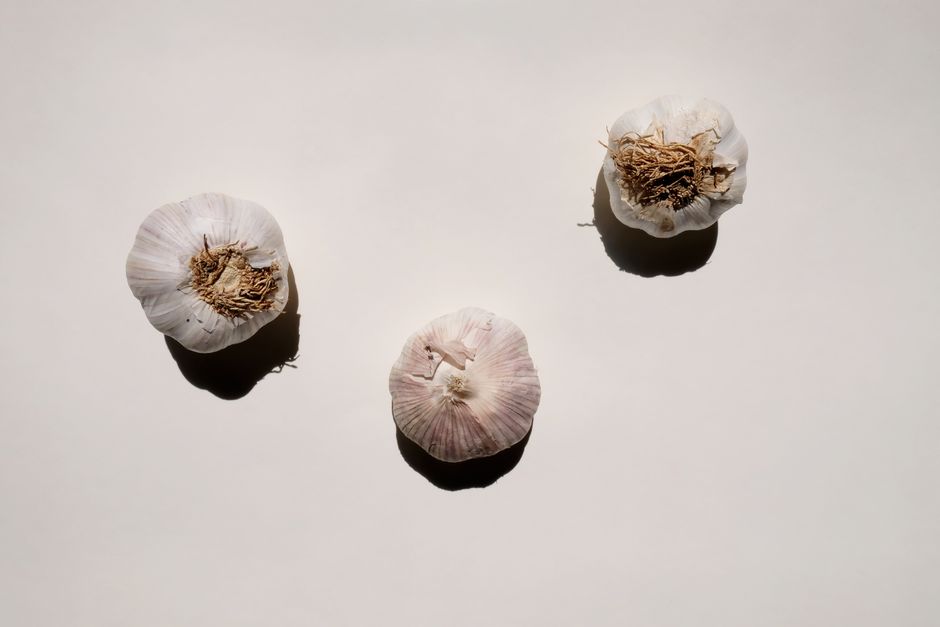
Garlic is a bulbous plant in the allium family, closely related to onions, shallots, and leeks. The bulb, divided into individual cloves, contains a rich array of bioactive compounds responsible for its medicinal properties.
The primary active compound is allicin, formed when garlic is crushed or chopped. This sulfur compound is responsible for garlic’s characteristic odor and many of its health benefits.
Beyond allicin, garlic contains organosulfur compounds, vitamins (C, B6), minerals (manganese, selenium), and powerful antioxidants that work synergistically to support health.
Garlic Benefits
1. Cardiovascular Health
Lowers Blood Pressure: Garlic contains allicin, which helps relax blood vessels and reduce blood pressure. Multiple studies show significant BP reductions in hypertensive individuals.
A meta-analysis of 12 trials found garlic supplementation reduced systolic BP by an average of 8-10 mmHg and diastolic BP by 5-7 mmHg in people with hypertension.
Reduces Cholesterol: Research shows garlic can lower total and LDL (bad) cholesterol levels by 10-15%. It works by inhibiting cholesterol synthesis in the liver.
Improves Circulation: Garlic prevents blood clot formation (antithrombotic effect), reducing the risk of stroke and heart attack by improving blood flow and reducing arterial stiffness.
Prevents Atherosclerosis: Aged garlic extract has been shown to reduce arterial plaque buildup by up to 80% in some studies, protecting against coronary artery disease.
The antioxidant properties also protect blood vessels from oxidative damage, a key factor in cardiovascular disease development.
2. Antimicrobial Properties
Antibacterial: Garlic has been shown to combat numerous bacteria including E. coli, Staphylococcus aureus (including MRSA), Salmonella, and H. pylori (which causes ulcers).
Antiviral: Effective against viruses including the common cold, influenza, and potentially some herpes viruses. Regular garlic consumption may reduce cold frequency and duration.
Antifungal: Particularly effective against Candida species and other fungi. Can be used topically for athlete’s foot and internally for systemic fungal infections.
The broad-spectrum antimicrobial effects make garlic valuable for supporting immune function and fighting infections naturally.
3. Antioxidant & Anti-Inflammatory
Reduces Oxidative Stress: Garlic boosts the activity of antioxidant enzymes like glutathione peroxidase and superoxide dismutase, protecting cells from free radical damage.
Anti-inflammatory: Helps lower inflammatory markers including C-reactive protein (CRP) and interleukin-6, potentially easing conditions like arthritis, inflammatory bowel disease, and general chronic inflammation.
Contains flavonoids and selenium, powerful antioxidants that protect against aging and chronic disease.
4. Cancer Prevention
Protects Against Certain Cancers: Epidemiological studies link regular garlic consumption with reduced risk of stomach, colon, and esophageal cancers. Some research suggests protective effects against prostate, breast, and lung cancers as well.
Detoxifies Carcinogens: Compounds in garlic, particularly allyl sulfides, help activate detoxification enzymes that neutralize cancer-causing substances.
Inhibits Tumor Growth: Laboratory studies show garlic compounds can slow or stop the growth of cancer cells and may promote apoptosis (programmed cell death) in abnormal cells.
The organosulfur compounds interfere with multiple stages of cancer development, from initiation to progression.
5. Immune System Support
Enhances Immune Function: Increases production of immune cells such as macrophages, lymphocytes, and natural killer cells that defend against pathogens.
Shortens Cold Duration: A landmark study found that garlic supplementation reduced the frequency of colds by 63% and shortened cold duration by 70%.
Modulates Immune Response: Helps balance immune function, potentially beneficial for both immunodeficiency and autoimmune conditions.
6. Blood Sugar Control
Improves Insulin Sensitivity: May help regulate blood glucose, especially in people with type 2 diabetes. Studies show fasting blood sugar reductions of 10-15% in some cases.
Protects Pancreatic Cells: Antioxidant properties may protect insulin-producing beta cells from oxidative damage.
Particularly beneficial when combined with metformin or other diabetes medications (with medical supervision).
7. Digestive Health
Supports Gut Flora: Prebiotic effects help promote the growth of beneficial gut bacteria like Lactobacillus and Bifidobacterium species.
Reduces Gut Inflammation: May help manage symptoms of inflammatory bowel conditions.
Antiparasitic: Traditional use includes treatment of intestinal parasites.
8. Brain Health and Cognitive Function
Neuroprotective Effects: Antioxidants in garlic protect brain cells from oxidative damage and may reduce risk of Alzheimer’s and dementia.
Improves Blood Flow to Brain: Enhanced circulation supports cognitive function and may improve memory.
Some studies suggest garlic supplementation improves attention, memory, and processing speed in older adults.
9. Detoxification
Heavy Metal Chelation: High-dose garlic has been shown to reduce lead toxicity and associated symptoms in one study by 19%.
Liver Protection: Supports liver function and helps protect against toxin-induced liver damage.
10. Athletic Performance
Historically used to reduce fatigue and enhance physical capacity. Some studies show improved exercise tolerance and reduced exercise-induced fatigue.
Garlic Risks and Side Effects
Despite its many benefits, garlic can cause adverse effects, especially in high doses:
1. Digestive Issues
Heartburn, Gas, Bloating: Raw garlic can irritate the gastrointestinal tract, especially in sensitive individuals.
Nausea and Vomiting: Particularly when consumed in large amounts or on an empty stomach.
Diarrhea: High doses may cause loose stools or diarrhea.
Solution: Take with food, start with small amounts, or switch to aged garlic extract which is gentler on the stomach.
2. Bleeding Risk
Anticoagulant Effect: Garlic thins the blood by inhibiting platelet aggregation, potentially increasing bleeding risk.
Caution Before Surgery: Stop taking garlic supplements at least 2 weeks before scheduled surgery to reduce bleeding complications.
Drug Interactions: May interact dangerously with blood thinners like warfarin, aspirin, or clopidogrel, increasing bleeding risk.
3. Allergic Reactions
Skin Reactions: Can cause contact dermatitis, especially from raw or crushed garlic. Symptoms include rash, redness, and blistering.
Respiratory Symptoms: Some people experience asthma-like symptoms including wheezing and difficulty breathing.
Rare Anaphylaxis: Severe allergic reactions are rare but possible, especially in those allergic to other alliums.
4. Bad Breath & Body Odor
Due to sulfur compounds like allicin and diallyl disulfide, which are released during digestion and excreted through breath, sweat, and urine.
Mitigation: Chewing parsley, drinking lemon water, or taking chlorophyll supplements can help reduce odor.
5. Drug Interactions
Can interact with numerous medications:
Anticoagulants: Enhanced bleeding risk with warfarin, aspirin, and other blood thinners.
HIV medications: Particularly saquinavir—garlic can reduce drug effectiveness by up to 50%.
Immunosuppressants: May interfere with drugs taken after organ transplants.
Blood pressure medications: Can enhance effects, potentially causing hypotension.
Diabetes medications: May lower blood sugar too much when combined with insulin or oral diabetes drugs.
Always inform your healthcare provider about garlic supplementation.
6. Heartburn and GERD
Can worsen symptoms in people with gastroesophageal reflux disease (GERD) or hiatal hernia by relaxing the lower esophageal sphincter.
7. Hypotension (Low Blood Pressure)
While beneficial for those with high blood pressure, garlic can cause dizziness or fainting in people with already low BP.
8. Liver Toxicity (Very Rare)
Very high doses of garlic supplements may potentially harm the liver, though this is extremely rare with normal consumption.
9. Pregnancy and Breastfeeding
Generally considered safe in food amounts during pregnancy, but high-dose supplements should be avoided.
Can alter the taste of breast milk, potentially causing nursing difficulties.

Tips for Safe and Effective Use
Raw vs Cooked
Raw garlic has stronger medicinal properties due to higher allicin content. Crushing or chopping activates enzymes that create allicin—let it sit 10 minutes before consuming or cooking.
Lightly cooked garlic retains many benefits and is easier to tolerate. Avoid overcooking, which destroys beneficial compounds.
Dosage
For general health: 1–2 raw garlic cloves per day (4-8 grams)
Therapeutic dose: 300–1000 mg of garlic extract (standardized to allicin content)
Aged garlic extract: 600-1,200mg per day for cardiovascular benefits
Forms of Garlic
Fresh cloves: Most potent, but can cause digestive upset
Aged garlic extract: Odorless, gentler on stomach, consistent potency
Garlic powder: Convenient but varies in quality
Garlic oil: Concentrated, can be used in cooking or as supplement
Garlic capsules: Easy to take, avoid odor, standardized doses
Maximizing Benefits
- Crush or chop fresh garlic and let sit 10 minutes before consuming
- Consume with fat to enhance absorption of fat-soluble compounds
- Consistency matters more than quantity—daily use provides cumulative benefits
- Choose organic garlic when possible to avoid pesticide residues
Who Should Use Caution with Garlic?
- People taking blood thinners or scheduled for surgery
- Those with bleeding disorders (hemophilia, etc.)
- People with low blood pressure
- Individuals with GERD or ulcers
- Those allergic to alliums
- People taking HIV medications or immunosuppressants
- Pregnant women (high-dose supplements only—food amounts are safe)
Summary Table
Heart Health: Lowers BP and cholesterol / May increase bleeding risk
Immunity: Antibacterial, antiviral, antifungal / Possible allergic reactions
Cancer Prevention: Protective effects, detoxifies carcinogens / Limited data on optimal dosing
Diabetes Support: Improves insulin sensitivity / May interact with diabetes medications
Digestion: Prebiotic effects, supports gut health / Can cause GI upset if raw
General Benefits: Antioxidant, anti-inflammatory, detoxifying / Body odor, drug interactions
Frequently Asked Questions (FAQ)
Q: How much garlic should I eat daily for health benefits?
A: For general health, 1-2 raw garlic cloves (4-8 grams) per day is typical, while therapeutic doses of 300-1000 mg of standardized extract or 600-1,200 mg of aged garlic extract are used in studies targeting cardiovascular benefits specifically.
Q: Why does raw garlic need to sit for 10 minutes before eating or cooking?
A: Crushing or chopping garlic activates an enzyme reaction that forms allicin, its primary active compound responsible for most health benefits—letting it rest for about 10 minutes before consuming or cooking maximizes allicin formation.
Q: Is it safe to take garlic supplements if I’m on blood thinners?
A: No, caution is essential—garlic has a natural anticoagulant effect that can compound with medications like warfarin, aspirin, or clopidogrel, increasing bleeding risk, and supplements should be stopped at least 2 weeks before scheduled surgery.
Conclusion
Garlic offers remarkable health benefits backed by extensive scientific research, from cardiovascular protection and immune support to cancer prevention and blood sugar control. When used appropriately, it’s a powerful addition to a health-promoting lifestyle. However, awareness of potential risks—particularly bleeding complications and drug interactions—is essential for safe use. For most people, incorporating moderate amounts of garlic into daily diet provides significant health benefits with minimal risk. Those considering high-dose supplementation should consult with a healthcare provider, especially if taking medications or managing chronic health conditions.
📧 Get More Insights Like This
Join thousands of readers who receive evidence-based personal development tips directly in their inbox.
🌟 Start Your Transformation Today
Ready to take the next step in your personal development journey?
Learn More About Us Browse All Articles