
How long does it take for the body to digest high protein?

Understanding how long your body takes to digest protein is crucial for optimizing meal timing, maximizing workout recovery, and supporting overall digestive health. Whether you’re an athlete, fitness enthusiast, or simply want to improve your nutrition strategy, knowing the protein digestion timeline helps you make informed decisions about when and what to eat.
Hook: Understanding Digestion Timing for Meal Planning
Protein digestion timing ranges dramatically—from just 1.5 hours for fast-digesting whey protein to over 8 hours for dense sources like beef. This variation isn’t random. Understanding these differences empowers you to strategically time your protein intake for maximum performance, recovery, and digestive comfort. By aligning your protein choices with your daily schedule and fitness goals, you can optimize nutrient absorption and support your body’s specific needs.
The Protein Digestion Process
Protein digestion is a sophisticated, multi-stage process that begins the moment food enters your mouth and continues through your digestive tract. Each stage plays a critical role in breaking down complex protein molecules into absorbable amino acids.
Stage 1: Mouth (0 minutes)
The digestion process starts with mechanical breakdown. Chewing reduces food into smaller particles, increasing surface area for enzymes. However, no enzymatic digestion of protein occurs in the mouth—this stage is purely mechanical preparation for the stomach.
Stage 2: Stomach (30 minutes to 2 hours)
Once swallowed, food enters the stomach where significant protein digestion begins. The stomach produces hydrochloric acid (HCl) and the enzyme pepsin, which unfolds protein molecules (denaturation) and breaks them into smaller chains called peptides. A typical high-protein meal remains in the stomach for 1–2 hours, though this varies based on meal size and composition. Larger meals and those with higher fat content take considerably longer to process.
Stage 3: Small Intestine (2 to 6 hours)
The small intestine is where most protein digestion and absorption occurs. The pancreas releases powerful enzymes including trypsin, chymotrypsin, and carboxypeptidase. These enzymes continue breaking peptides into individual amino acids and small dipeptides. Specialized cells lining the intestinal wall absorb these amino acids directly into the bloodstream through active transport. Most protein absorption happens within the first 4–6 hours after eating, though some amino acid uptake continues even longer.
Stage 4: Large Intestine (12–72 hours)
Any undigested protein residue moves to the large intestine. Typically, very little protein reaches this stage if digestion functions normally. Gut bacteria may ferment any remaining amino acids, producing gases and metabolic byproducts like ammonia.
Protein Digestion Time: Factors and Variations
Typical timeframes for a high-protein meal are:
- Gastric emptying: 2–4 hours
- Small intestine digestion and absorption: 2–6 hours
- Complete transit through digestive system: 24–72 hours
The total time varies significantly based on protein type and individual factors. Most people experience peak amino acid availability in the bloodstream 2–4 hours after consuming protein.
Protein Types and Their Digestion Speed
Different protein sources digest at remarkably different rates, making them suitable for different nutritional goals and meal timings.
Fast-Digesting Proteins (1.5–2 hours)
Whey protein is the fastest-digesting protein available. It’s a complete protein with an excellent amino acid profile and reaches your muscles quickly, making it ideal for post-workout recovery when muscles need immediate amino acid delivery. Whey is also suitable for morning consumption or between meals when rapid nutrient absorption is desired.
Medium-Digesting Proteins (3–5 hours)
Chicken breast, turkey, and white fish are lean proteins that digest moderately fast. They provide steady amino acid release over hours, making them excellent for lunch or regular meals. They’re versatile options for most meal timings.
Eggs are complete proteins with high bioavailability and exceptional nutrient density. They digest in approximately 3 hours, making them versatile for breakfast, lunch, or dinner. Whole eggs contain beneficial compounds like choline and lutein alongside protein.
Slow-Digesting Proteins (5–8+ hours)
Casein protein is a milk-derived protein specifically designed to digest slowly. Its gradual amino acid release makes it perfect before bed, providing overnight muscle protein synthesis support and preventing muscle breakdown during sleep.
Red meat and beef are denser proteins requiring longer digestion, typically 5–7+ hours. Their iron content and mineral density make them nutritionally valuable, though they’re best consumed earlier in the day to avoid bedtime digestive stress.
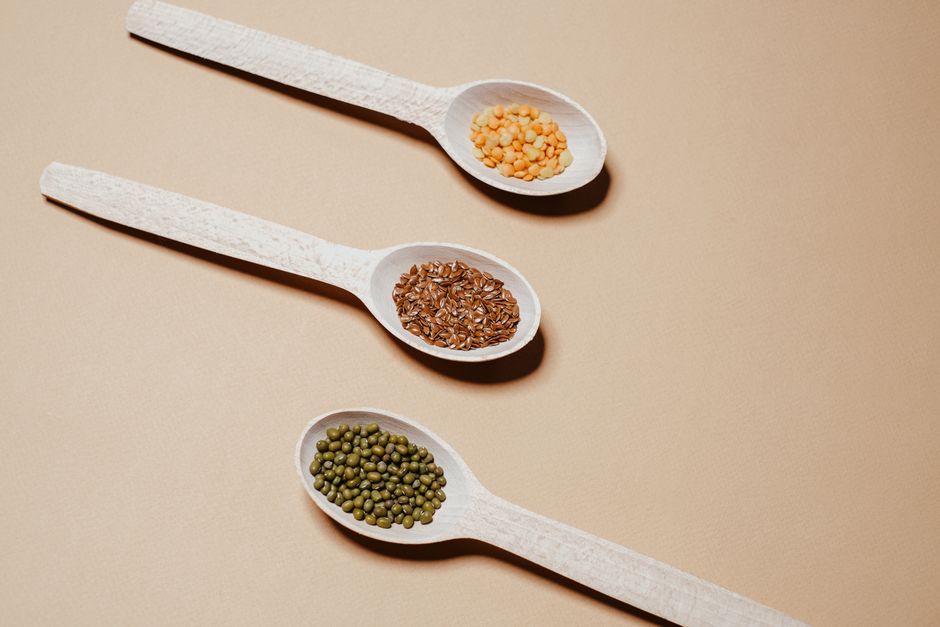
Plant-based proteins like legumes, beans, lentils, and tofu digest relatively slowly due to their fiber content and complex plant structure, usually taking 5–6 hours. Despite slower digestion, they provide fiber, antioxidants, and micronutrients that animal proteins lack.
Factors Affecting Protein Digestion Speed
Protein Source
The specific protein source significantly impacts digestion speed. Processed and isolated proteins digest faster than whole foods. Hydrolyzed proteins are even faster-digesting than intact whey.
Meal Composition
Fats and fiber slow gastric emptying, extending overall digestion time. A protein meal eaten with high-fat foods (like salmon with olive oil.html) digests slower than lean chicken alone. However, moderate fat and fiber support overall digestive health. Carbohydrates have minimal effect on protein digestion speed and can actually enhance amino acid absorption.
Individual Metabolism
Age, metabolic rate, physical fitness level, and enzyme production capacity all influence digestion speed. Athletes often digest food more efficiently than sedentary individuals due to higher metabolic rates and better gut function. Younger individuals typically digest food faster than older adults.
Gut Health
A healthy digestive system with balanced gut bacteria processes protein more efficiently. Poor gut health, characterized by dysbiosis or intestinal inflammation, slows digestion and reduces amino acid absorption. Factors like stress, medications, and previous infections affect gut function.
Cooking Method
Cooked and heat-denatured proteins digest faster than raw proteins. Grilling, baking, boiling, or steaming breaks down protein structure, making it easier for digestive enzymes to work. Heavily processed meats may digest differently due to additives and altered structure. Tender cooking methods generally improve digestibility.
Practical Timing Strategies for Different Goals
Pre and Post-Workout Nutrition
Consume fast-digesting proteins like whey 30–60 minutes after intense training. This timing provides amino acids during the critical muscle recovery window when muscle protein synthesis peaks. A typical post-workout shake contains 25–40 grams of whey protein with carbohydrates.
Before workouts, eat moderate-protein meals 2–3 hours prior to allow digestion without stomach discomfort. A chicken and rice meal fits perfectly into this timing.
Meal Frequency and Protein Distribution
For optimal muscle protein synthesis, distribute protein evenly throughout the day. Consume 20–40 grams per meal for most people. This range optimizes amino acid absorption and muscle-building responses. Research shows that spreading protein across meals increases overall muscle protein synthesis more effectively than consuming all protein in one meal.
Before-Bed Protein Strategy
Consume slow-digesting casein protein or cottage cheese 30–60 minutes before sleep. This provides steady amino acid delivery throughout the night, supporting muscle recovery during sleep and preventing overnight muscle breakdown.
Optimizing Protein Absorption
Ideal Portion Sizes
Aim for 20–40 grams of protein per meal for optimal absorption. Portions larger than 40 grams don’t significantly increase muscle protein synthesis compared to 40-gram servings. Spreading protein across meals increases overall protein synthesis more effectively than consuming it all at once.
Nutrient Combinations for Enhanced Absorption
Consume protein with carbohydrates and moderate fat for enhanced absorption. Carbohydrates trigger insulin release, which facilitates amino acid uptake into muscles. Include vegetables for fiber, vitamins, and minerals supporting digestive health and overall nutrient density.
Digestion Issues and Practical Solutions
Bloating: Often caused by rapid protein consumption or inadequate chewing. Solutions include slowing down, chewing thoroughly, staying hydrated, and reducing portion sizes temporarily.
Constipation: May result from high protein intake with insufficient fiber. Include vegetables, whole grains, fruits, or increase water intake to support digestive regularity.
Stomach Discomfort: Usually indicates too much protein at once or high-fat combinations. Reduce portion size, separate protein from heavy fats, and ensure adequate chewing time.
Reduced Absorption: If experiencing symptoms despite healthy habits, consider digestive enzymes or consulting a healthcare provider to assess stomach acid levels and enzyme production.
Timing Strategies: Athletes vs General Population
For Athletes
Athletes can leverage the knowledge that fast proteins digest in 1.5–2 hours post-workout for optimal recovery. Consider cycling between fast, moderate, and slow proteins throughout the day. Take advantage of the post-workout anabolic window while supporting steady digestion during training phases.
For General Population
Individuals without intense training should focus on steady, moderate protein intake across meals. Three meals containing 25–35 grams each provides consistent amino acid availability without digestive stress. This approach supports lean body mass without excessive digestive burden.
For Older Adults
Older adults may benefit from slightly slower-digesting proteins and smaller portions, as enzyme production decreases with age. Higher-quality proteins and proper chewing become increasingly important. Consistent protein intake supports muscle maintenance during aging.
Frequently Asked Questions (FAQ)
Q: Why does whey protein digest so much faster than beef?
A: Whey is a processed, isolated liquid protein that requires minimal mechanical breakdown, digesting in as little as 1.5-2 hours, while beef’s dense muscle fiber structure and fat content require 5-7+ hours of stomach and small intestine processing to break down completely.
Q: What’s the best protein to eat before bed?
A: Slow-digesting casein protein or cottage cheese is ideal before sleep, since its gradual amino acid release over 5-8+ hours supports overnight muscle protein synthesis and helps prevent muscle breakdown while you sleep.
Q: How much protein should I eat per meal for optimal absorption?
A: Aim for 20-40 grams per meal—portions larger than 40 grams don’t meaningfully increase muscle protein synthesis, so spreading intake across three to four meals throughout the day is more effective than eating it all at once.
Conclusion
Protein digestion timing ranges from 1.5 to 8+ hours depending on the protein source, meal composition, and individual factors. By understanding these timelines and matching protein types to your goals—fast proteins for post-workout recovery, moderate for regular meals, and slow for overnight support—you can optimize your nutrition strategy, enhance recovery, and support your overall health objectives. The key is consistency: regular protein intake distributed throughout the day provides superior results to sporadic, large meals.
📧 Get More Insights Like This
Join thousands of readers who receive evidence-based personal development tips directly in their inbox.
🌟 Start Your Transformation Today
Ready to take the next step in your personal development journey?
Learn More About Us Browse All Articles