Sodium: Health Benefits, Risks, and Recommended Intake
The Essential Mineral You Need to Understand
Sodium is an essential mineral that plays a crucial role in your body’s basic physiological functions. While your body absolutely needs sodium to function properly, consuming too much can pose serious health risks. Finding the right balance is key to maintaining optimal health and preventing chronic diseases. Understanding sodium’s role in your body, where it comes from, and how much you need is the first step toward better nutrition.
What Is Sodium?
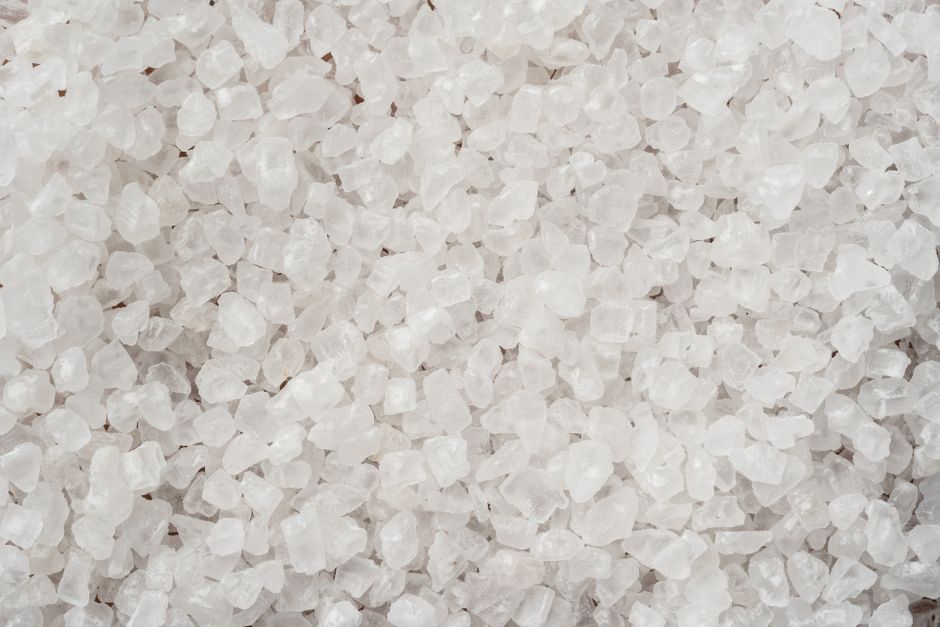
Sodium is a mineral and electrolyte essential for human survival. Unlike regular table salt, which is sodium chloride (a compound containing sodium), the mineral sodium itself is what your body uses for critical functions. Sodium is one of the major electrolytes in your body, working alongside potassium, chloride, calcium, magnesium, and phosphate to maintain proper cellular and bodily function.
When you consume sodium, your body regulates its levels carefully because even small imbalances can affect your health. Sodium is found naturally in many foods, but most people consume far more than they need through processed and prepared foods that contain added salt.
Key Benefits of Sodium
Your body needs sodium for several vital functions:
Fluid Balance and Hydration: Sodium plays a critical role in regulating the balance of fluids inside and outside your cells, tissues, and organs. This electrolyte works with water to maintain proper hydration levels in your body. Without adequate sodium, your body cannot efficiently retain water or maintain proper cellular function.
Nerve Signal Transmission: Sodium is essential for nerve impulse transmission throughout your nervous system. It helps create electrical signals that allow nerves to communicate with each other and with your muscles. This process is vital for every movement you make and every sensation you feel.
Muscle Function and Contraction: Sodium works in conjunction with potassium to regulate muscle contraction and relaxation. These electrolytes create the electrical charges necessary for muscles to work properly. Whether you’re exercising, walking, or performing daily tasks, your muscles depend on proper sodium levels.
Blood Pressure Regulation: Sodium influences blood vessel function and helps maintain adequate blood pressure needed to deliver oxygen throughout your body. This is one of sodium’s most important roles in cardiovascular health.
The Problems with Excess Sodium
While sodium is necessary, excessive intake creates serious health problems. High sodium consumption is linked to multiple chronic diseases that affect millions of people worldwide.
High Blood Pressure: Excess sodium increases fluid volume in your bloodstream, forcing your heart to work harder to pump blood. Over time, this elevated pressure damages blood vessel walls, leading to hypertension (high blood pressure).
Heart Disease: High blood pressure from excess sodium increases your risk of heart attack. The sodium-induced strain on your cardiovascular system can lead to heart failure, where your heart cannot pump blood effectively.
Stroke Risk: Elevated blood pressure from high sodium intake damages blood vessels in your brain, increasing the risk of stroke—a potentially fatal condition where blood flow to the brain is blocked.
Kidney Damage: Your kidneys filter sodium from your blood. When you consume too much sodium, your kidneys must work harder to eliminate it, potentially leading to kidney disease or dysfunction over time.
Other Complications: Excess sodium can contribute to osteoporosis by increasing calcium loss in urine, and may worsen other conditions like asthma and autoimmune diseases.

How Much Sodium Do You Actually Need?
Understanding sodium recommendations helps you make better dietary choices:
The recommended daily intake for most adults is 1,500 mg of sodium per day, which is the amount your body actually needs for optimal function. However, regulatory agencies recognize that many people exceed this and set an upper safe limit of 2,300 mg per day. Unfortunately, the average American consumes approximately 3,400 mg of sodium daily—more than double the recommendation.
If you have high blood pressure, heart disease, kidney disease, or diabetes, your healthcare provider may recommend limiting sodium to 1,500 mg per day to better manage your condition.
Hidden Sources of Sodium
The biggest challenge in controlling sodium intake is recognizing where it comes from. Most sodium comes from unexpected places:
Processed Foods: Canned soups, packaged snacks, frozen meals, and prepared sauces often contain 500-1,000 mg of sodium per serving—sometimes more than half your daily limit in a single product.
Restaurant Meals: A single restaurant meal can contain 2,000-3,000 mg of sodium or more, as restaurants use salt extensively for flavor and preservation.
Bread and Grains: Many people don’t realize that bread is a major sodium source. A single slice can contain 100-300 mg of sodium.
Cheese: Both processed cheese and natural varieties contain significant sodium to preserve them.
Deli Meats and Cured Products: Processed meats like bacon, ham, sausage, and lunch meats are extremely high in sodium—sometimes containing 500 mg per small serving.
Condiments and Seasonings: Soy sauce, salad dressings, ketchup, and bouillon cubes are surprisingly high in sodium.
Achieving a Healthy Sodium Balance
Creating a healthy sodium intake pattern focuses on food choices and preparation methods:
Choose Whole Foods: Fresh fruits, vegetables, beans, nuts, and unprocessed meats naturally contain very little sodium. Building your diet around whole foods automatically reduces sodium intake significantly.
Read Food Labels: Check the sodium content on packaged foods and choose products with less than 120 mg per serving. Compare brands—sodium content varies dramatically between similar products.
Limit Processed Foods: Minimize canned, packaged, and prepared foods. When you do buy these products, choose low-sodium or no-salt-added versions.
Cook at Home: Preparing meals yourself gives you complete control over sodium content. Home-cooked meals contain far less sodium than restaurant or processed alternatives.
Use Herbs and Spices: Replace salt with garlic, ginger, herbs, lemon juice, vinegar, and spices to add flavor without sodium.
Tips for Reducing Sodium Safely
If you need to reduce your sodium intake, do it gradually to allow your taste buds to adjust:
- Reduce sodium consumption slowly over several weeks rather than eliminating it suddenly
- Gradually decrease salt in your cooking and at the table
- Choose one category of processed foods to reduce each week
- Rinse canned vegetables with water to remove 20-40% of the sodium
- Select fresh or frozen vegetables instead of canned when possible
- Drink plenty of water to help flush excess sodium from your system
- Increase potassium-rich foods like bananas, sweet potatoes, and spinach to help balance sodium
- Check medication labels—some medications contain hidden sodium
- If you have specific health conditions, work with a healthcare professional or registered dietitian for personalized guidance
Understanding sodium and making conscious choices about your intake empowers you to protect your long-term health.
Frequently Asked Questions (FAQ)
Q: How much sodium should I actually be eating each day?
A: Most adults need only about 1,500 mg daily for proper function, but the upper safe limit is 2,300 mg — yet the average American consumes around 3,400 mg, more than double the recommendation.
Q: What are the biggest hidden sources of sodium in a typical diet?
A: Processed foods, restaurant meals, bread, cheese, and deli meats contribute far more sodium than the salt shaker — a single restaurant meal can contain 2,000-3,000 mg on its own.
Q: What health problems does excess sodium cause over time?
A: Chronic excess sodium intake is linked to high blood pressure, heart disease, stroke, kidney damage, and increased calcium loss that can contribute to osteoporosis.
Conclusion
Sodium is essential for nerve signaling, muscle function, and fluid balance, but most people consume far more than their bodies need, largely from processed foods and restaurant meals rather than the salt shaker. Cutting back gradually — by cooking at home, reading labels, and swapping in herbs and spices — can meaningfully lower blood pressure and long-term cardiovascular risk. Anyone managing high blood pressure, kidney disease, or heart disease should work with a healthcare provider to set a personalized sodium target. ***
Disclaimer: This article is for informational purposes only. Please consult with a qualified healthcare provider for medical advice.
📧 Get More Insights Like This
Join thousands of readers who receive evidence-based personal development tips directly in their inbox.
🌟 Start Your Transformation Today
Ready to take the next step in your personal development journey?
Learn More About Us Browse All Articles